
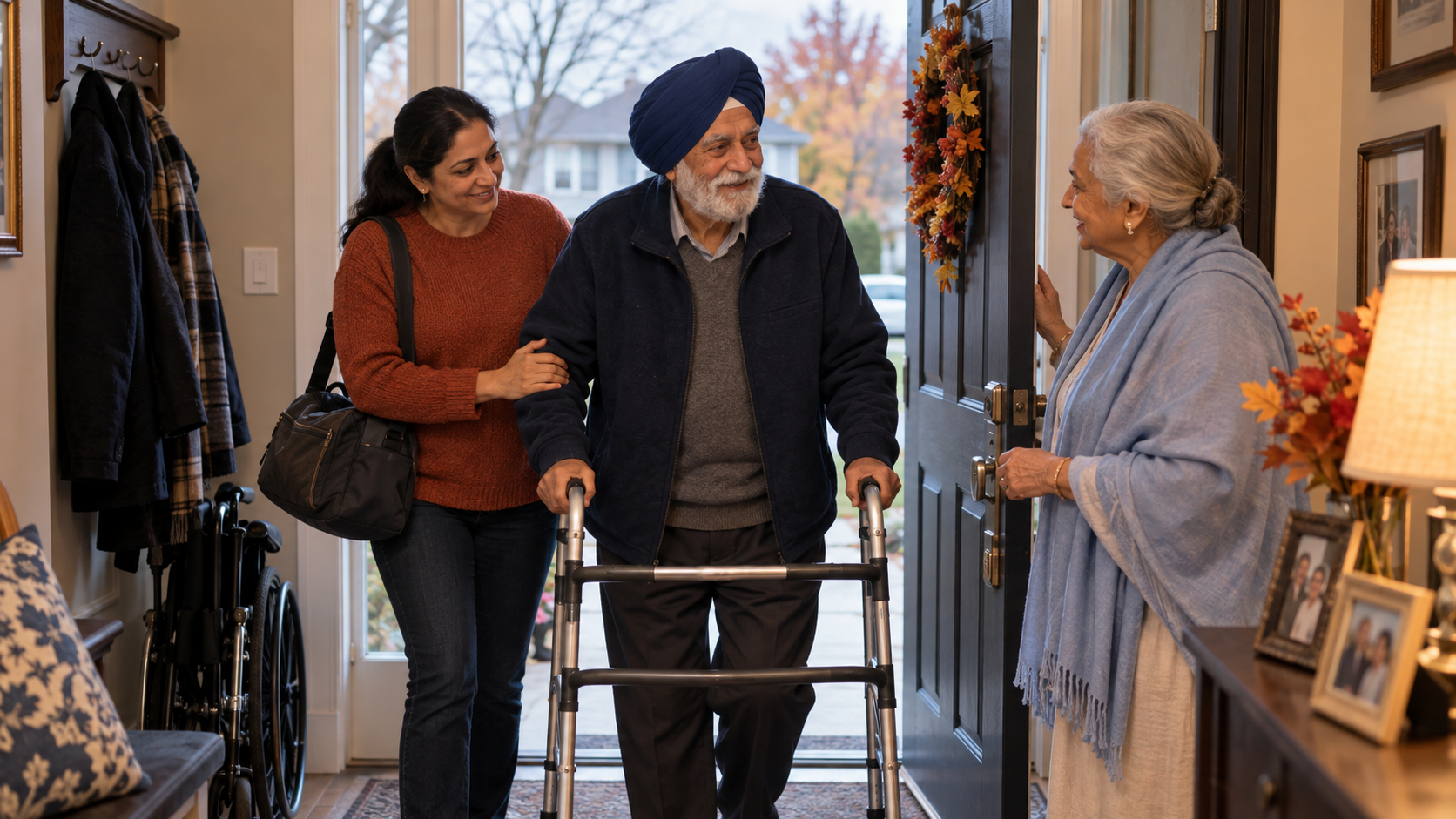
Bringing a loved one home from the hospital is a moment many families look forward to. It often means the most critical stage of treatment is over. But recovery is rarely complete the moment someone leaves the hospital.
In fact, the first few days at home are often when seniors need the most support. Everyday activities such as getting out of bed, preparing meals, taking medications on time, or moving safely around the house can suddenly become challenging.
Without a proper recovery plan, these challenges may lead to unnecessary stress, delayed healing, or even another hospital visit. That’s why a well-planned Hospital Discharge Program is so important. Good hospital discharge care helps seniors move safely from the ward back to their own home. It also gives families confidence that their loved one has the right support while they heal.
In Mississauga, most families are coming home from one of the Trillium Health Partners sites. That usually means Credit Valley Hospital on Erin Mills Parkway, the Mississauga Hospital on Queensway West, or the Queensway Health Centre. Wherever the stay happened, the first week at home tends to follow the same pattern.
What Is a Hospital Discharge Program?
A Hospital Discharge Program is designed to support patients as they move from hospital care back to the comfort of their own home. Rather than ending care when a patient is discharged, the program focuses on continuing recovery with the right guidance, practical assistance, and ongoing support.
For older adults, this transition is especially important. Even after receiving medical clearance, many seniors still need help managing everyday activities while their strength and confidence gradually return.
A comprehensive Hospital Discharge Program may include:
- Assistance with bathing, dressing, and personal hygiene
- Medication reminders and monitoring
- Meal preparation and nutrition support
- Mobility assistance and fall prevention
- Transportation to medical appointments
- Light housekeeping
- Emotional support and companionship
- Communication with family members and healthcare professionals
The goal is to create a safe recovery environment. That means promoting healing, reducing the risk of complications, and helping seniors regain their independence at their own pace.
Signs Your Loved One May Need Extra Support After Hospital Discharge
Every recovery experience is different. Some seniors regain their strength quickly, while others need additional help for several weeks or even months. Knowing when extra support is needed can make recovery safer and more comfortable.
Everyday Tasks Feel More Difficult
Simple routines like preparing breakfast, getting dressed, or taking a shower may require more effort than before. If these activities become overwhelming, having professional assistance can reduce physical strain and prevent accidents.
Mobility Has Become Limited
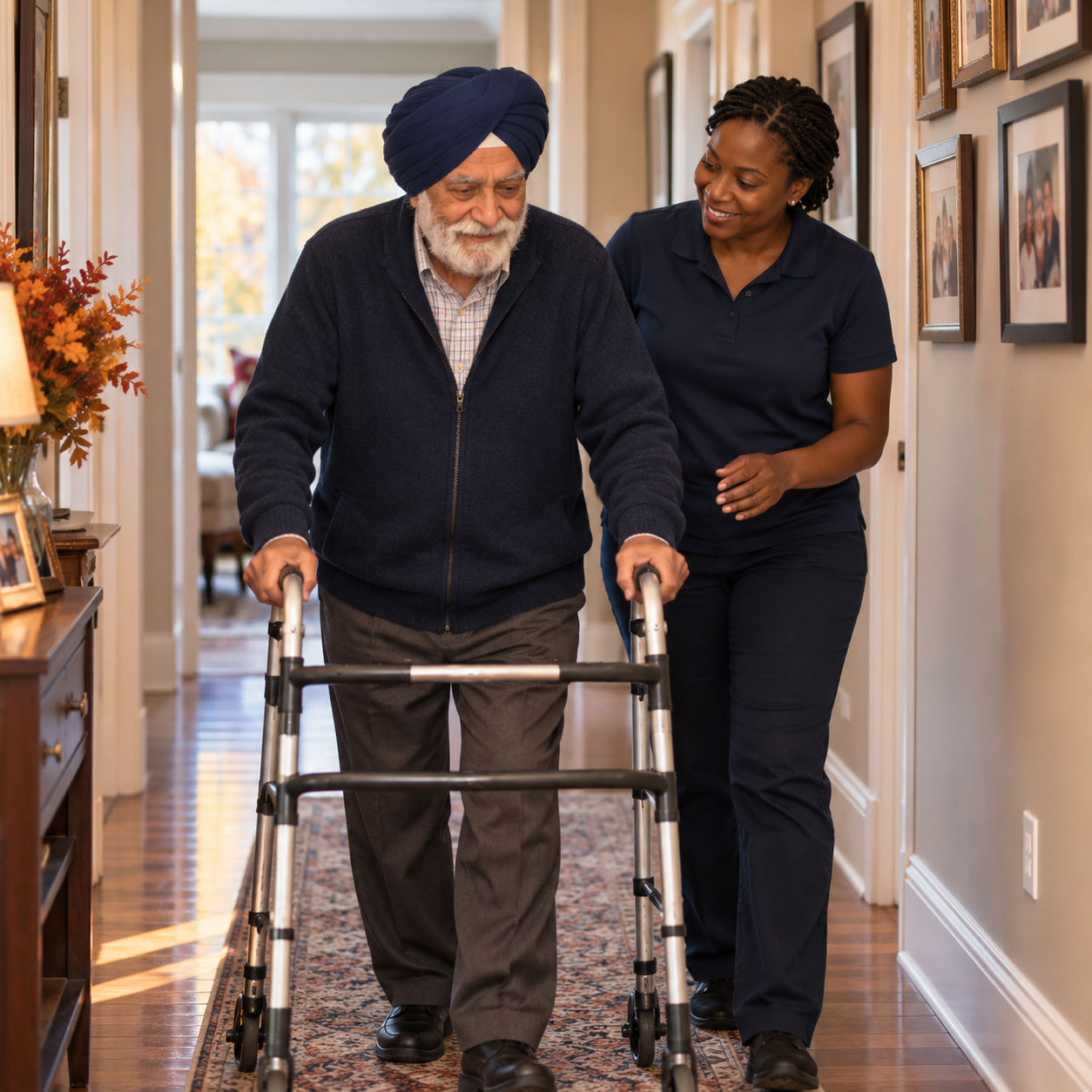
Walking, climbing stairs, or moving around the home safely may be difficult after surgery, illness, or injury. A caregiver can provide mobility support while helping reduce the risk of falls, one of the most common causes of hospital readmissions among older adults.
Medication Schedules Are Hard to Manage
Hospital stays often result in new prescriptions or changes to existing medications. Missing doses or taking the wrong medication can slow recovery and create additional health concerns. Consistent reminders help seniors stay on track with their treatment plans.
Family Members Can’t Provide Full-Time Care
Many families want to help but also have work, children, and other responsibilities. Professional caregivers provide dependable support. That allows family members to focus on spending quality time together instead of managing every aspect of daily care.
Recovery Feels Slower Than Expected
Healing takes time, especially for older adults. Does your loved one seem unusually tired, struggle with daily activities, or lack confidence moving around the home? Additional support can make recovery far less stressful.
How to Prepare for a Safe Transition from Hospital to Home
A successful recovery begins before your loved one arrives home. Taking a few practical steps in advance can create a safer environment and help everyone feel more prepared.
Understand the Care Plan
Before leaving the hospital, ask questions about medications, follow-up appointments, dietary recommendations, activity restrictions, and warning signs to watch for. Having clear instructions helps avoid confusion once recovery begins at home.
Prepare the Home Before Discharge Day
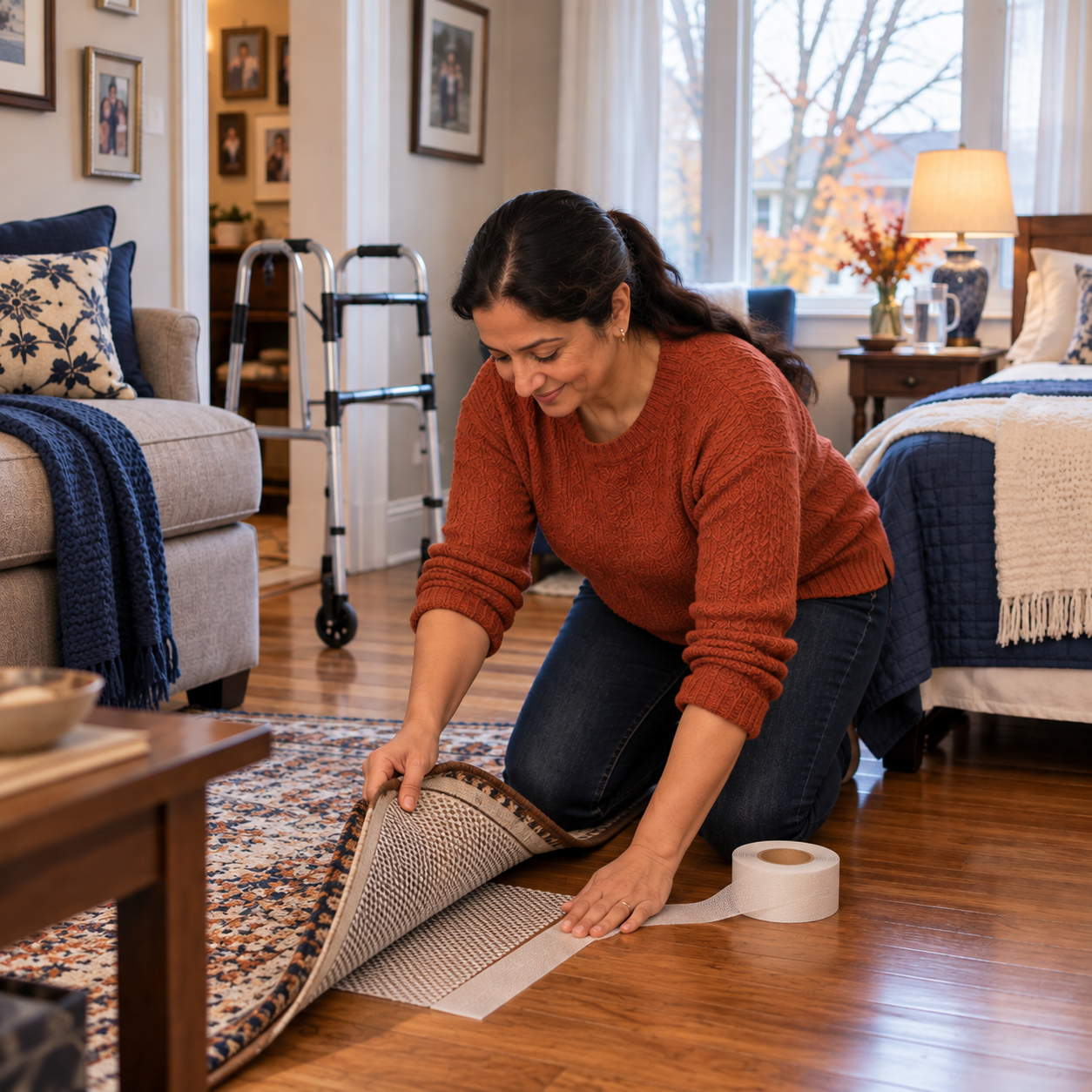
Clear the walkways and tape down any loose rugs. Make sure there’s a clear path to the bathroom, and leave lights on in hallways. If your loved one can’t manage stairs yet, set up a temporary sleeping space on the main floor. Stock the fridge before they arrive.
Sort Out Equipment and Prescriptions Early
Ask what equipment is needed at home, such as a walker, a raised toilet seat, or a shower chair. Find out where to get it. Then fill new prescriptions before discharge day rather than after. Confirm who is arranging follow-up appointments and transportation.
Know What Publicly Funded Support Is Available
Ask the hospital team about THP@home before discharge. It’s a time-limited program that helps eligible Trillium Health Partners patients recover at home with community support. Care Navigators assess patients while they’re still in hospital, and not everyone qualifies, so ask early.
You can also contact Ontario Health atHome directly for publicly funded home care. Families can self-refer.
Public support is valuable. It’s also often capped or time-limited, so many families use it alongside private care to cover the rest of the week.

Why Professional Hospital Discharge Care Makes Recovery Easier
Recovering at home offers comfort, familiarity, and emotional reassurance. It can also present new challenges. Professional hospital discharge care bridges the gap between treatment and independent living, with practical assistance tailored to each person’s needs.
Personalized Support
Every recovery journey is unique. Professional caregivers create personalized care plans based on the individual’s health condition, mobility, and daily routine. That ensures the right level of assistance at every stage of recovery.
Encouraging Independence
Good care isn’t about doing everything for someone. It’s about providing the right amount of support while encouraging seniors to stay active, confident, and involved in their daily routines whenever it’s safe to do so.
Why Choose Ideal Caregivers 4U?
Choosing the right support after a hospital stay is about more than finding someone to help with daily tasks. Families need caregivers who understand the recovery process, communicate openly, and genuinely care about helping seniors regain their independence.
At Ideal Caregivers 4U, every recovery plan is built around the individual rather than a one-size-fits-all approach. We take the time to understand each client’s medical needs, personal preferences, and recovery goals. Then we match them with compassionate caregivers who provide respectful, dependable support.
Does your loved one need short-term assistance after surgery, or ongoing care following a serious illness? Either way, our team is committed to helping them recover safely in the comfort of home. From personal care and mobility support to companionship and medication reminders, every service is delivered with professionalism and kindness.
Our Mississauga team supports families across the city, from Port Credit and Clarkson through Cooksville, Erin Mills, Streetsville, Meadowvale, and Malton.
How Ideal Caregivers 4U Supports Recovery at Home
Recovering after a hospital stay is rarely a journey that should be taken alone. While every person’s recovery is different, having reliable support at home can make everyday tasks easier, reduce stress, and allow seniors to focus on getting stronger. At Ideal Caregivers 4U, our Hospital Discharge Program is designed to provide practical assistance that fits each client’s unique recovery needs.
Personal Care Assistance
The first few weeks after returning home can make everyday routines feel more challenging than expected. Our personal care team provides respectful assistance with bathing, dressing, grooming, toileting, and mobility, while encouraging clients to remain as independent as possible. Every visit is delivered with compassion, dignity, and patience.
Medication Reminders and Wellness Monitoring
Following a medication schedule is an important part of healing. Our caregivers provide timely medication reminders and observe any changes in a client’s condition. If concerns arise, families can be informed promptly so appropriate medical advice can be sought. This added layer of support helps reduce the risk of missed medications and unnecessary complications.
Meal Preparation and Nutrition Support
Good nutrition plays a key role in recovery, but preparing healthy meals isn’t always easy after a hospital stay. Our caregivers assist with meal planning, preparation, grocery shopping, and hydration support. That means balanced meals that promote healing and restore energy.
Mobility Assistance and Fall Prevention
Many seniors experience weakness or reduced balance after surgery or illness. Our caregivers provide safe mobility assistance around the home, helping clients move confidently while reducing the risk of falls. We also encourage simple daily activities that support strength and independence as recovery progresses.
Companionship and Emotional Support
Recovery isn’t only physical. Spending long periods at home can leave seniors feeling isolated or discouraged. Friendly conversation, companionship, and emotional encouragement can have a positive impact on mental well-being. Our caregivers build meaningful relationships that help clients feel supported every step of the way.
Flexible Care That Adapts to Recovery
Some individuals need assistance for only a few weeks, while others require ongoing support. Our care plans remain flexible, so services can increase or decrease as recovery progresses. Families receive the right level of care without paying for services they don’t need.
Frequently Asked Questions
Why do seniors often need help after leaving the hospital?
Although treatment in the hospital may be complete, many seniors still experience reduced strength, limited mobility, fatigue, or difficulty managing daily activities. Temporary home care can provide the extra support needed during this important stage of recovery.
How soon should we arrange hospital discharge care after a hospital stay?
Ideally before discharge day. Arranging support while your loved one is still in hospital means help is in place the moment they walk through the door. That’s when the risk of a fall or a missed medication is highest.
How long does post-hospital home care usually last?
Recovery times vary depending on the individual’s health condition and the type of treatment received. Some people need support for a few weeks, while others may benefit from longer-term care. Care plans can be adjusted as recovery progresses.
Is home care only for seniors recovering from surgery?
No. A Hospital Discharge Program can benefit seniors recovering from surgery, illness, injury, or other medical conditions. It suits anyone who needs additional support before safely managing everyday activities again.
Conclusion
Returning home after a hospital stay should be a positive step toward recovery, not a source of uncertainty or added stress. With the right preparation and professional support, seniors can recover in familiar surroundings while maintaining their comfort, dignity, and independence.
A well-planned Hospital Discharge Program gives families confidence that their loved one has the assistance they need during this important transition. From personal care and medication reminders to mobility support and companionship, the right hospital discharge care makes recovery safer and far less stressful.
Call 1-866-372-0603 to talk through what support would help. There’s no cost and no obligation.
Every family’s situation is unique, but no one should have to navigate senior care alone. Ideal Caregivers 4U provides personalized, non-medical in-home support that helps seniors remain safe, comfortable, and independent at home while giving families true peace of mind.
Learn how we can help by clicking the link below or calling us at
647-948-7705