
Blog
Stay updated with expert senior care tips, caregiver advice, dementia support, healthy aging resources, and wellness insights through our Senior Care Blog. Discover helpful articles designed to support seniors and families with compassionate in-home care, safety, nutrition, and independent living guidance.

“This Is Still My Life”: A Letter From the Other Side of the Table
Most of what we publish is written for families. This one is different. Over 25 years, we've sat in a lot of living rooms. We've heard older adults say versions of the same thing. Rarely all at once, and almost never to their own children. So we've gathered it into...

The Five Safety Talks Families Keep Putting Off
Every family has one. The conversation everybody knows is coming, and nobody wants to start. Usually it's about safety. Driving. Stairs. Pills. Or the man who phoned three times last week asking about her bank card. Here's the hard part. These conversations rarely...

The Quiet Signs: What to Watch For When You Visit This Thanksgiving
You're not going to your parent's house to run an assessment. You're going for dinner. But you will see things this weekend that no phone call has shown you in months. And if you know what you're looking at, a visit becomes the most useful hour your family gets all...
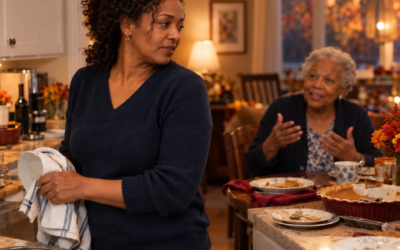
Around the Table: What Families Notice at Thanksgiving
The plates are cleared. The football game is on in the next room. You're standing at the sink with a dish towel, and your mother is telling the same story she told an hour ago. Nobody else seems to catch it. But you do. In fact, that moment happens in thousands of...

Respite Care in Oshawa-Whitby: The Break Every Family Caregiver Deserves
If you're caring for an aging parent or spouse in Oshawa or Whitby, you already know the truth that rarely gets said out loud: caregiving is a full-time role layered on top of an already full life. You're the cook, the driver, the medication manager, the companion,...

Your September Reset: A Simple Fall Checklist for Seniors
All month, we've been rebuilding routine, one piece at a time. We started with why routine matters. Then we anchored the day, protected connection, learned the warning signs, shared the load, and eased into the season. Now it's time to pull it all together. Think of...
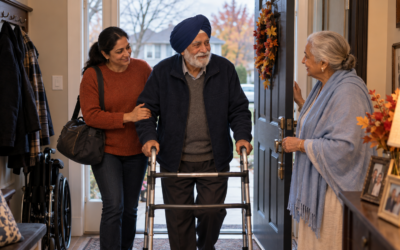
Hospital Discharge Program: What Families in Mississauga Should Know Before Bringing a Loved One Home
Bringing a loved one home from the hospital is a moment many families look forward to. It often means the most critical stage of treatment is over. But recovery is rarely complete the moment someone leaves the hospital. In fact, the first few days at home are often...

Easing Into the Season: A Gentle Guide to Preparing Seniors for Fall
All month, we've talked about rebuilding routine as life speeds back up. We've covered the daily anchors, connection, warning signs, and sharing the load. Now we come to the final piece of the puzzle: the season itself. September is a threshold month. The weather is...

Sharing the Load: Why Sustainable Senior Care Is Shared Care
Last week, we looked at the warning signs of caregiver burnout. This week, we're looking at the antidote: sharing the load. Here's a truth worth saying plainly. No one person can be everything to an aging parent. You can't be the nurse, the cook, the driver, the...

Watching for the Warning Signs: In Your Loved One and in Yourself
The busy season has a hidden cost. With everyone moving fast, there are fewer eyes on your senior loved one. Small problems can slip by unnoticed for weeks. Catching a change early is what keeps a manageable situation from becoming a crisis. And there are two people...

Staying Connected When Everyone’s Busier: Protecting Seniors From Fall Isolation
So far this month, we've talked about rebuilding routine and anchoring the day. But there's one anchor that tends to slip more quietly than the rest. It may be the most important of all: connection. All summer, a senior loved one may have had a steady stream of...

Rebuilding the Daily Anchors: Meals, Sleep, Movement, and Medication
Last week, we looked at why a steady routine matters so much for a senior loved one. This week, we're getting practical: if you're going to rebuild routine this fall, where do you actually start? The answer is with the anchors — the handful of daily habits everything...