All month, we’ve talked about rebuilding routine as life speeds back up. We’ve covered the daily anchors, connection, warning signs, and sharing the load. Now we come to the final piece of the puzzle: the season itself.
September is a threshold month. The weather is turning. Daylight is getting shorter. Fall’s health rhythms — flu season, cooler mornings, earlier evenings — are just ahead. None of it arrives all at once, which is exactly the opportunity. A little gentle preparation now means the season feels like a smooth transition, not a string of small surprises.
Preparing seniors for fall doesn’t have to be a big project. It’s really just a handful of thoughtful adjustments, folded into the routine you’ve already been rebuilding this month.
Why September Is a Threshold Month
Think of September as the doorway between summer and winter. On one side, long days and warm weather. On the other, cold mornings, dark evenings, and flu season. The doorway itself is short. Blink, and October has arrived.
That’s why now is the ideal time to prepare. Getting ahead of the shift is far easier than scrambling once it’s here. And for an older adult, a calm, gradual transition protects more than comfort. It protects health, mood, and safety too.
Why Easing In Gently Matters for Seniors
The seasonal change lands harder on older adults than many families realize. A few reasons stand out.
Cooler weather brings a higher risk of illness. Flu season is especially serious for seniors, whose immune systems may not bounce back as quickly. Getting ahead of it matters. Immunize Canada offers helpful, up-to-date guidance on fall vaccinations.
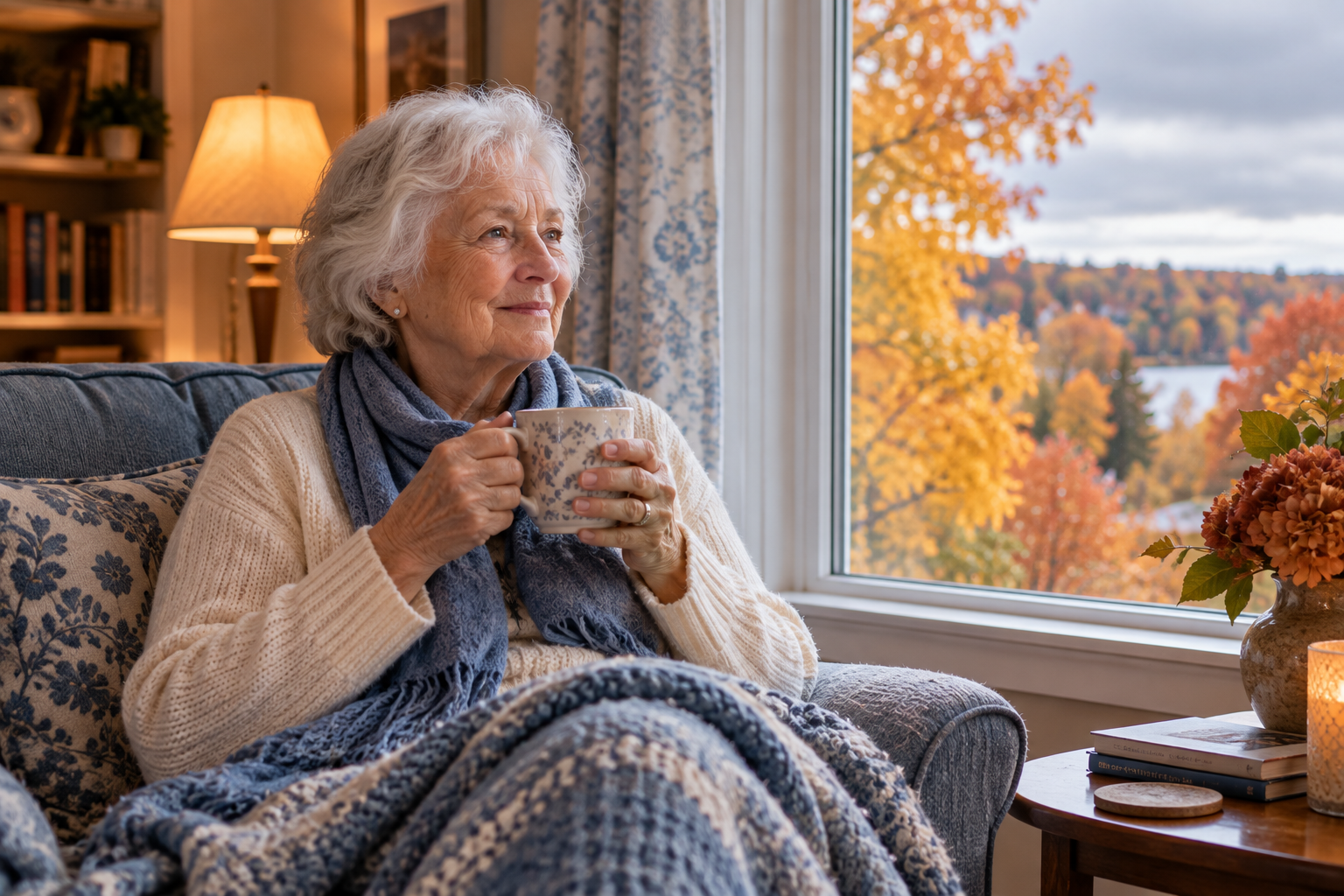
Shorter days affect mood and energy, too. Less daylight can leave anyone feeling flat, and seniors are no exception. Earlier evenings also mean more time spent indoors, which can quietly increase isolation.
Then there’s safety. Darker mornings and evenings make the home harder to navigate. Wet leaves and icy steps raise the risk of falls. Small changes now can prevent big problems later.
None of this is cause for worry. It’s simply a reminder that a little intention goes a long way this time of year.
What Families Can Do to Prepare
You don’t need to tackle everything at once. Work through these at a comfortable pace, and the season will settle in gently.
Plan Ahead for Flu Season and Health
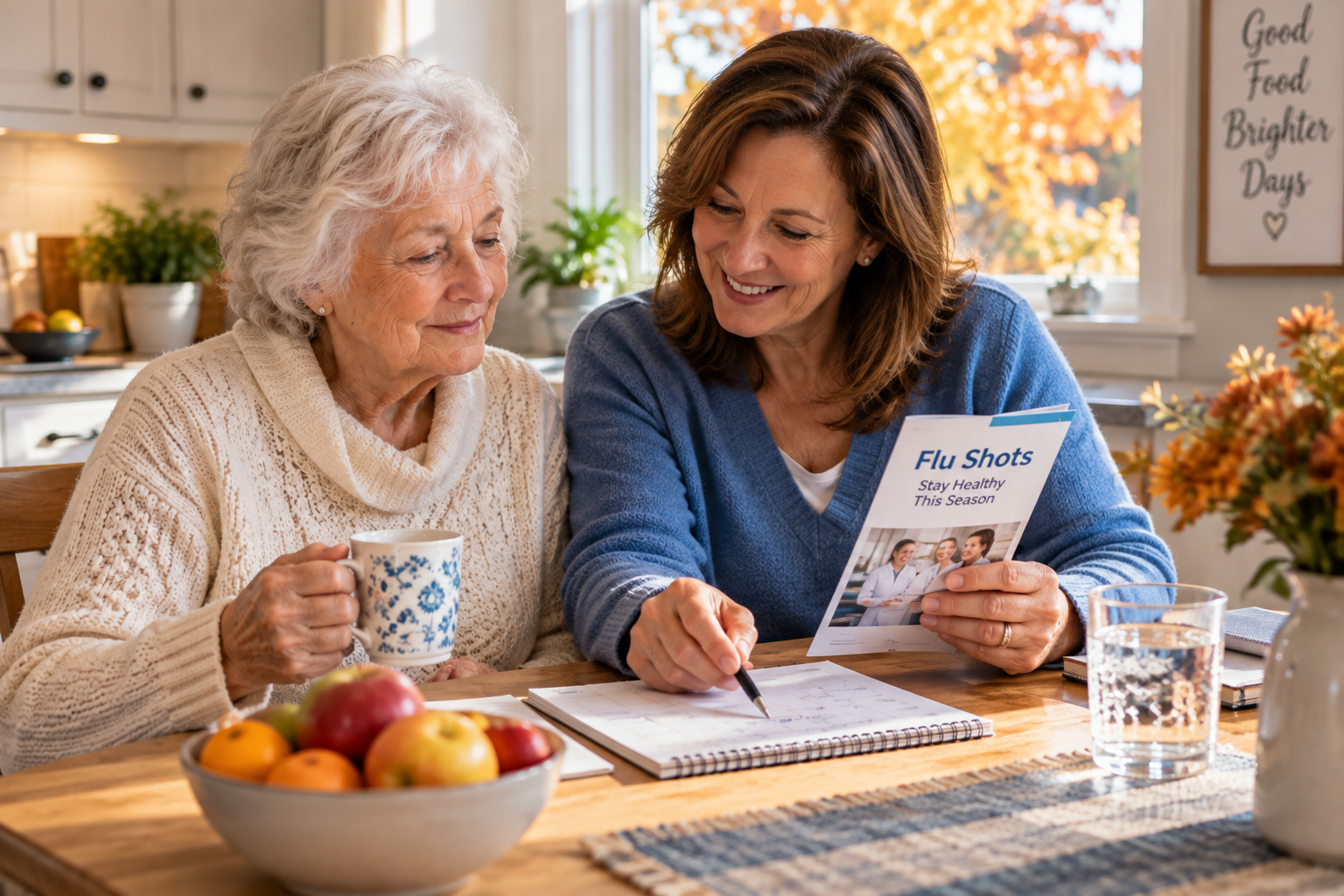
Flu protection is the first priority. Talk with your loved one’s pharmacist or doctor about timing their fall vaccinations. Book early, before appointments fill up. Support their immune system with regular meals, good hydration, and steady rest. A well-nourished, well-rested body handles the season better. If getting to appointments is a challenge, our caregivers can help arrange and accompany those visits.
Ready the Home for Cooler, Darker Days
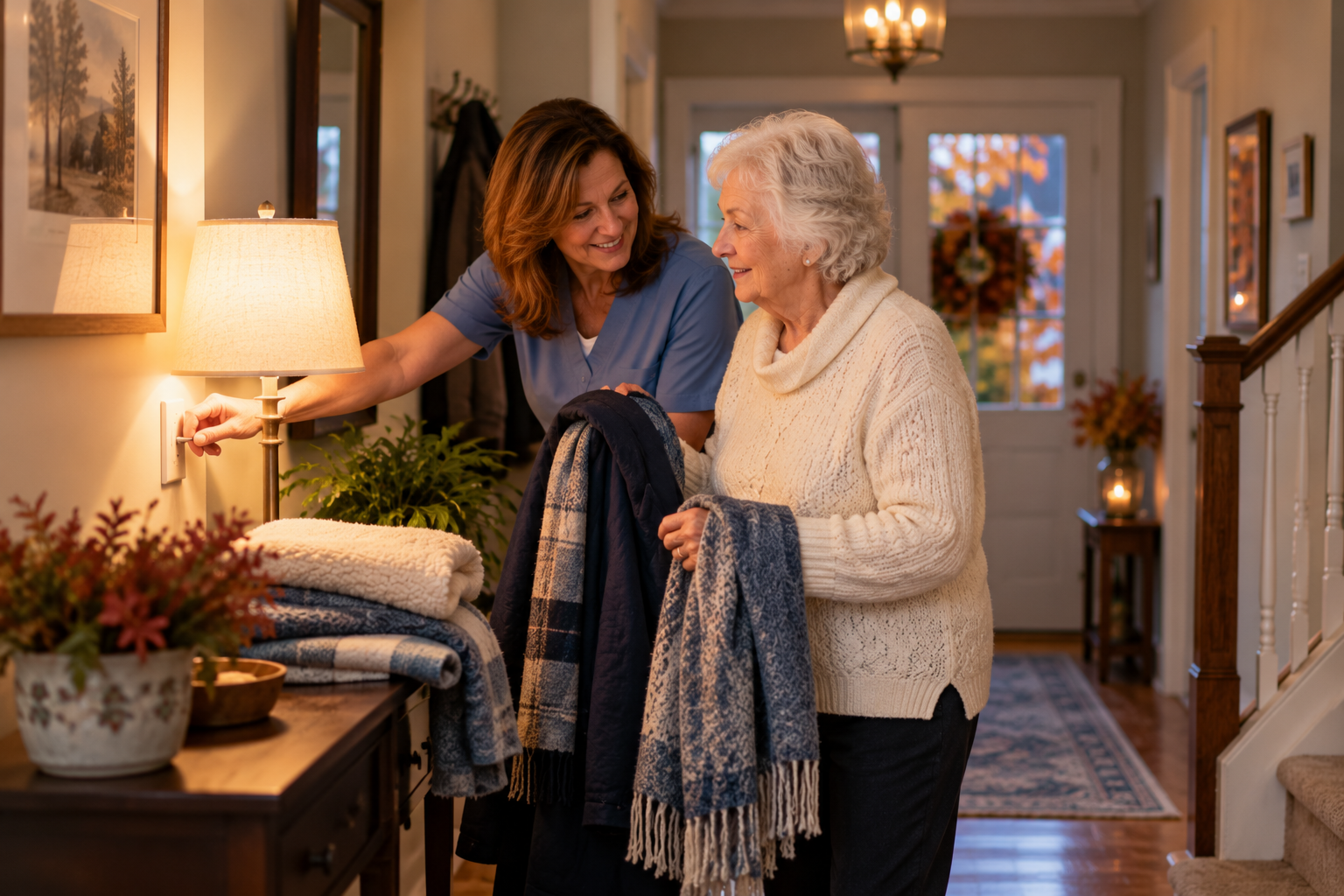
Start with warmth. Make sure cozy layers, blankets, and warm socks are within easy reach. Check that the heating is working before the first cold snap arrives. Then turn to lighting and safety. As evenings draw in earlier, brighten hallways and stairs so nothing is navigated in the dark. Clear away any summer clutter that’s crept into walkways. These simple steps make a real difference — Parachute Canada, a national injury-prevention organization, highlights just how much good lighting and clear pathways reduce the risk of falls at home.
Ease the Routine Into Fall Gradually
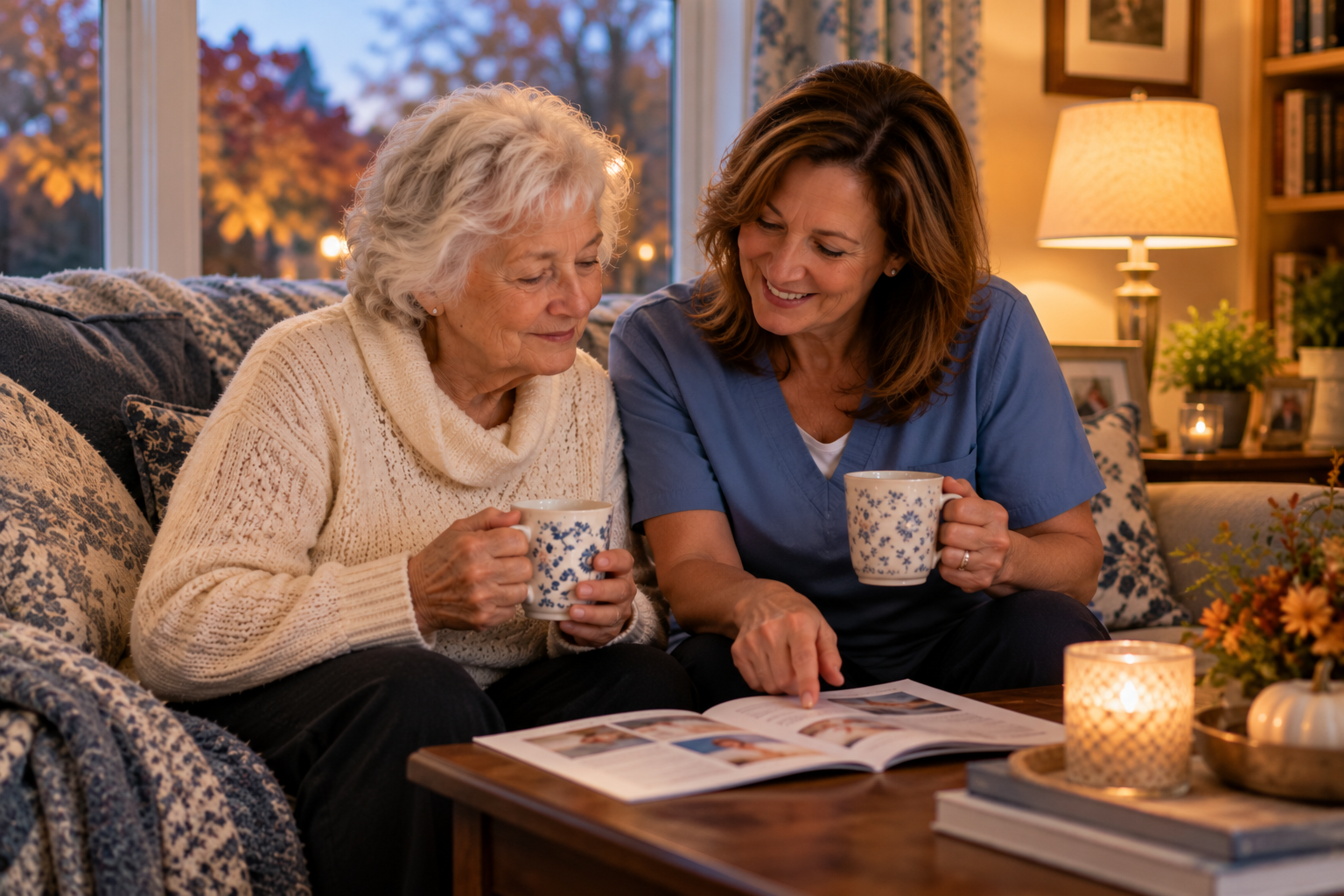
Small, gradual shifts beat sudden change. As daylight shortens, move activities and walks a little earlier in the day. Keep the daily anchors — meals, sleep, medications — steady and familiar. If evenings feel long, add a comforting new ritual, like a warm drink and a good book. The goal is for the new rhythm to feel natural, not abrupt. Your loved one should ease into fall, not brace for it.
How Professional Support Makes the Transition Easier
Seasonal changes are so much simpler with an extra pair of hands. Our caregivers help make the whole transition effortless.
They can support the small home adjustments that keep things safe. They can accompany your loved one to fall appointments, including flu shots. They can weave cooler-weather routines into the day so nothing feels sudden. Our companionship care also fills the longer indoor evenings with warmth and conversation. And when you need a break during the busy season, respite care is there. The season shifts, but the sense of steadiness stays.
A Free Guide to the Whole Season
Easing into fall is one of six areas covered in our September cornerstone guide, “Rebuilding Routine: Supporting Your Senior Loved One as Life Speeds Back Up.“
It pulls the whole month together — from anchoring the day to sharing the load — with a simple checklist to guide you.
Frequently Asked Questions
How can I help prepare my senior parent for fall? Plan flu vaccinations early, ready the home with warmth and good lighting, clear walkways to prevent falls, and shift daily routines gradually as daylight shortens. Small, steady adjustments make the transition smooth.
Why is flu season a bigger concern for seniors? Older adults are more vulnerable to the flu, and their immune systems may recover more slowly. Early vaccination and good nutrition, hydration, and rest all help protect them through the season.
Where does Ideal Caregivers 4U provide in-home care? We offer personal care, companionship, respite, meal preparation, medication reminders, and appointment support across Ottawa, Mississauga, Edmonton, Markham, Pickering-Ajax, and Oshawa-Whitby.
Let’s Ease Into the Season Together
If you’d like help preparing your loved one for a safe, comfortable fall, we’re here for you. Call us at 1-866-372-0603 or visit idealcaregivers4u.com/services/ to talk about the right support for your family.
Every family’s situation is unique, but no one should have to navigate senior care alone. Ideal Caregivers 4U provides personalized, non-medical in-home support that helps seniors remain safe, comfortable, and independent at home while giving families true peace of mind.
Learn how we can help by clicking the link below or calling us at
1-866-372-0603