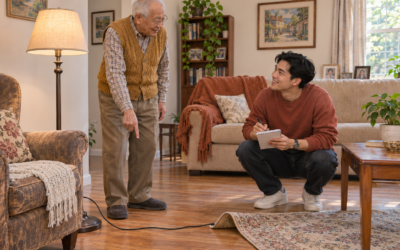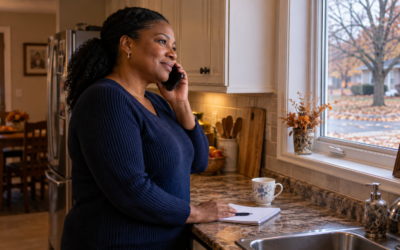

Mom says her numbers are “fine.” But the meter’s last reading was three days ago. And the pill organizer still has Tuesday evening’s dose in it.
Sound familiar? You’re not alone. Diabetes is managed in small, ordinary moments. When those moments slip, nobody notices right away.
November is Diabetes Awareness Month, and World Diabetes Day falls on November 14. So this week, we’re walking through one steady day, from morning to bedtime. Along the way, we’ll show where diabetes care for seniors tends to slip, and how to keep it on track.
Why Routines Matter More in Winter
Diabetes care rests on four habits: meals, medications, blood sugar checks, and movement. They work as a team. When one changes, blood sugar can swing up or down.
Winter quietly shakes all four. Appetites change, and people move less. Colds and flu come through. Then the holiday treats start appearing.
For older adults, there’s another layer. Memory can get patchy, and vision can make a meter harder to read. Some seniors also don’t feel the early signs of low blood sugar as clearly as they once did.
That’s why a simple, repeatable routine matters so much. It does the remembering for them.
One Steady Day, Hour by Hour
Every care plan is different, so always follow the one from your loved one’s doctor or diabetes educator. Still, most steady days share the same rhythm.
Morning: start the day the same way
Check blood sugar before breakfast, if the care plan calls for it. Then take morning medications with breakfast, not before it. Linking pills to a meal makes them much harder to forget.
Breakfast matters too. Skipping it can raise the risk of a low later in the morning.
Midday: don’t let lunch disappear
Lunch is the meal seniors skip most often, especially when they live alone. A sandwich and a piece of fruit count. So does a bowl of soup with crackers and cheese.
This is also a good time for a short walk, even around the house. Movement helps keep blood sugar steady.
Afternoon: watch for the dip
Late afternoon is a common time for a low, especially after a light lunch. Keep a healthy snack within reach if the care plan includes one. Meanwhile, keep fast sugar nearby, like juice or glucose tablets, just in case.
Evening: dinner and the second dose
Dinner is the other anchor of the day. Evening medications and any evening check usually line up here. Afterward, glance at the pill organizer to confirm the dose is gone.
Bedtime: set up the night
Some care plans include a bedtime check or snack. Either way, put fast sugar and a glass of water on the bedside table. If a low happens overnight, the fix needs to be within reach.

What Families Can Do to Support Diabetes Care for Seniors
Set up the pill organizer together
A weekly organizer with morning and evening slots takes the guesswork out. Fill it together on the same day each week, like Sunday afternoon or before a weekly phone call. Then a quick look shows whether a dose was missed.
Know the signs of highs and lows
Low blood sugar can look like shakiness, sweating, confusion, irritability, or dizziness. High blood sugar often shows up as extra thirst, frequent bathroom trips, tiredness, or blurry vision.
The Public Health Agency of Canada has a plain-language overview of symptoms and treatment. Also, ask the care team for their plan for highs and lows. Then post it on the fridge, so everyone knows what to do.
Keep a simple log
Write down readings, meals, and how your loved one is feeling. Patterns jump out quickly on paper. For example, you might notice every low happens on days lunch got skipped.
Bring the log to appointments. It helps the doctor make better decisions, faster.

Ask for a Medication Review
Many seniors with diabetes take several medications, not just for blood sugar. Over time, the list grows, and doses can overlap or interact.
A pharmacist can help sort it out. In Ontario, people with diabetes can book a free MedsCheck review with their pharmacist. In Alberta, ask your pharmacist about a medication review too.
Bring every bottle, including vitamins and over-the-counter products. Then ask one important question: “Could any of these cause low blood sugar or dizziness?”
How Professional Support Helps
Families can’t be there for every meal and every dose. That’s where a caregiver makes a real difference.
Through our Personal Health Care services, caregivers provide medication reminders and help with meals. They also notice small changes day to day. A skipped lunch, a shaky afternoon, or a new habit of napping can all be early clues. So they share what they see with the family right away.
For more complex needs, our nursing services add clinical support. That includes health monitoring and help understanding the care plan.
Most importantly, routine is what we do best. A caregiver who shows up at the same time each day becomes part of the rhythm that keeps diabetes steady.
Get the Free Guide
This post is part of our November series. Our free guide is ready to download: Staying Steady: Balance, Blood Sugar, and Safety for Seniors This Winter. Inside, you’ll find a printable Daily Steady Log. It has space for readings, meals, medications, and foot checks.

Frequently Asked Questions
What are the signs of low blood sugar in seniors?
Shakiness, sweating, confusion, irritability, and dizziness are common signs. Some older adults feel fewer warning signs, so regular checks matter.
How can I help a parent remember diabetes medications?
Link each dose to a meal, use a weekly pill organizer, and set a phone alarm. A daily caregiver visit can also provide reminders.
Do you offer diabetes support at home in my area?
Yes. Our caregivers and nurses support seniors living with diabetes in Ottawa, Mississauga, Markham, Pickering-Ajax, Oshawa-Whitby, and Edmonton.
Let’s Make Every Day a Steady One
Worried that routines are slipping? A short conversation can help.
Call us at 1-866-372-0603, and we’ll talk through what support might help. You can also explore our full range of in-home care services.
Every family’s situation is unique, but no one should have to navigate senior care alone. Ideal Caregivers 4U provides personalized, non-medical in-home support that helps seniors remain safe, comfortable, and independent at home while giving families true peace of mind.
Learn how we can help by calling 1-866-372-0603 or clicking the link below: