
Blog
Stay updated with expert senior care tips, caregiver advice, dementia support, healthy aging resources, and wellness insights through our Senior Care Blog. Discover helpful articles designed to support seniors and families with compassionate in-home care, safety, nutrition, and independent living guidance.
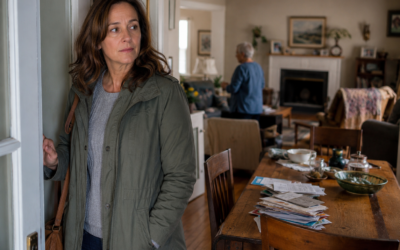
10 Signs Your Loved One May Need More Support at Home
Most families don't receive a clear signal that things have changed. There's no single moment, no obvious turning point. Instead, the signs accumulate quietly — each one easy to explain away on its own, but harder to dismiss when you step back and look at the whole...

Managing Medications Safely at Home: A Guide for Senior Families
Robert's daughter thought she had it covered. She'd set up a weekly pill organizer, written out the schedule, and gone through it carefully with her father before leaving after a Sunday visit. By Thursday, she called to check in. He'd taken Tuesday's pills twice — he...

How Families Can Plan for Long-Term In-Home Care
Most families don't plan for in-home care. They respond to it. A fall, a diagnosis, a hospitalization — something happens, and suddenly decisions that would have benefited from months of thoughtful conversation need to be made in days. Care is arranged under pressure,...

When Is a PSW Caregiver the Right Choice?
Most families have heard the term PSW. Fewer know exactly what it means — or how to tell whether PSW care is what their loved one actually needs. Personal Support Workers are among the most important and versatile members of the home care community. Yet families often...
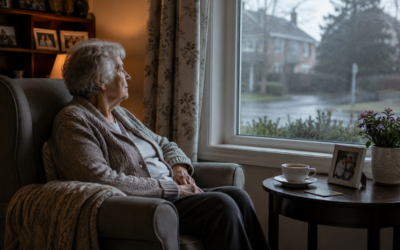
Loneliness and Social Isolation in Seniors: What Families Need to Know
Picture a Tuesday afternoon in November. The television is on — not because anyone is watching, but because the sound fills the room. Lunch was crackers and tea. The last real conversation was four days ago, when the pharmacy called about a prescription. Outside, the...

Preventing Falls: The #1 Risk for Seniors at Home
Every 20 seconds, a Canadian senior is treated in an emergency room for a fall-related injury. Falls are the leading cause of injury-related hospitalization among older adults in Canada — ahead of car accidents, ahead of all other causes. And the majority of those...

The Role of Nutrition in Healthy Aging at Home
Margaret's daughter noticed it during a Sunday visit last spring. The fridge held a container of yogurt, some leftover soup, and not much else. The bread on the counter was stale. When asked what she'd had for lunch, Margaret shrugged — "I wasn't really hungry." Her...

How to Talk to an Aging Parent About Accepting Help
There are conversations families dread having. This is one of them. The signs are there — the fridge with barely anything in it, the near-miss on the stairs, the house that isn't quite as tidy as it used to be. You know something needs to change. Your parent, however,...

The Home Safety Checklist Every Family Needs When a Senior Is Living at Home
Most families don't think seriously about home safety until something goes wrong. A fall. One close call too many. The moment of panic that could have been prevented. The problem with waiting is that home hazards don't announce themselves. They accumulate quietly —...

From Stroke Recovery to Aging in Place: Planning the Next Chapter
A stroke changes the trajectory of a family's life in ways that go far beyond the immediate medical crisis. In the weeks and months that follow, families learn things about caregiving they never anticipated. They become experts in swallowing safety, communication...

When Is It Time to Bring In Professional Help After a Stroke?
Most families don't plan to do it all themselves. In the early days after a stroke, the intention is usually to get some help — eventually. Once things settle down. After they know what they're dealing with. When it becomes clear that they actually need it. But...
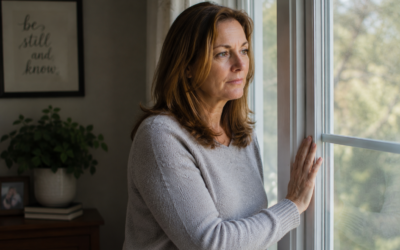
Recognizing Caregiver Burnout: Signs, Causes, and What to Do About It
You promised yourself you'd ask for help when it got to be too much. But somewhere along the way, "too much" became your new normal — and you stopped noticing where the line was. This is how caregiver burnout works. It doesn't arrive all at once. It accumulates...