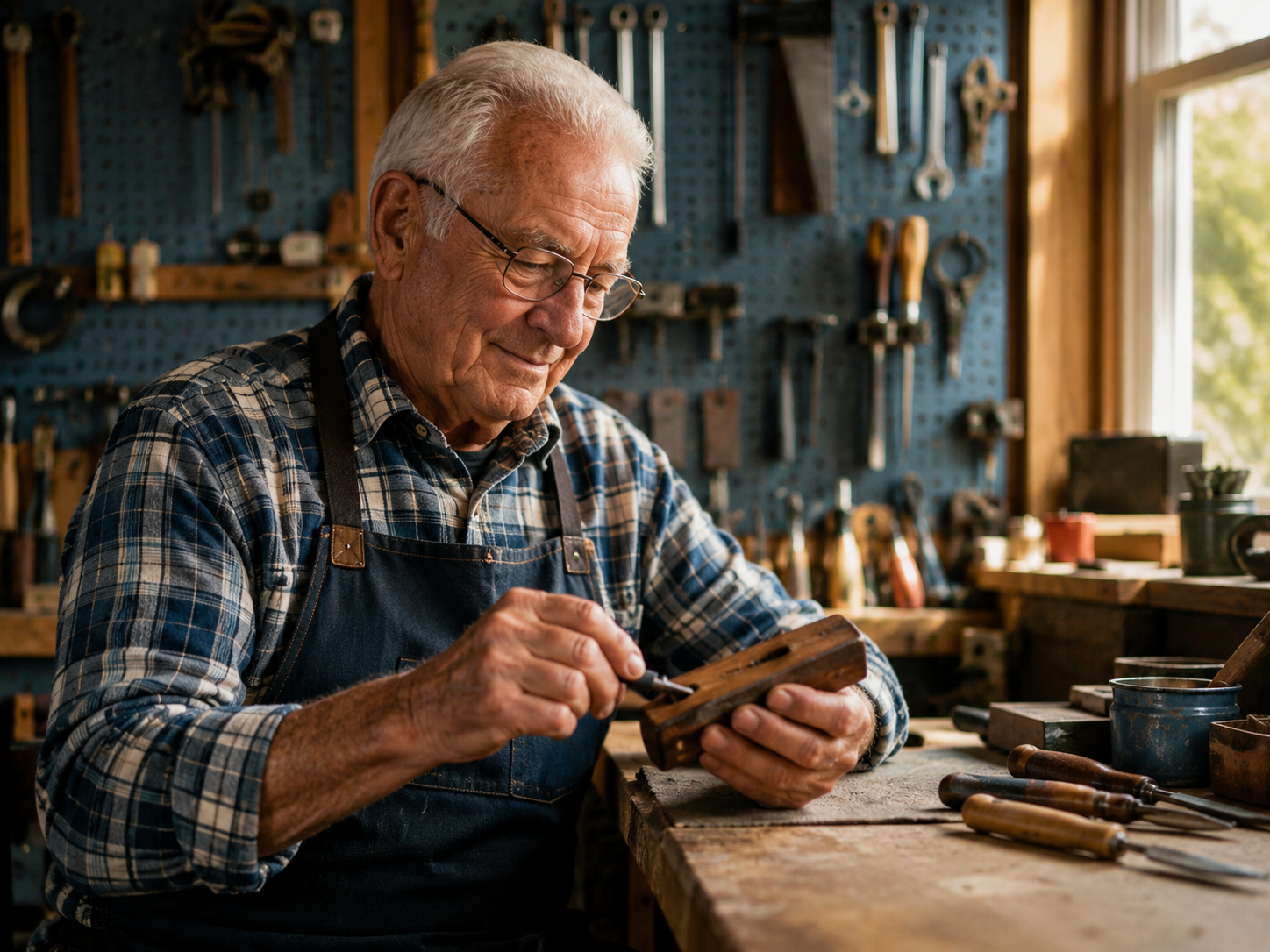
Every morning for forty years, Frank got up at six, made coffee, and left for the machine shop by seven. He raised three kids on that rhythm. He fixed the neighbours’ lawnmowers on weekends and never once needed an alarm clock.
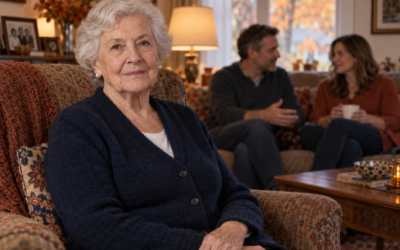
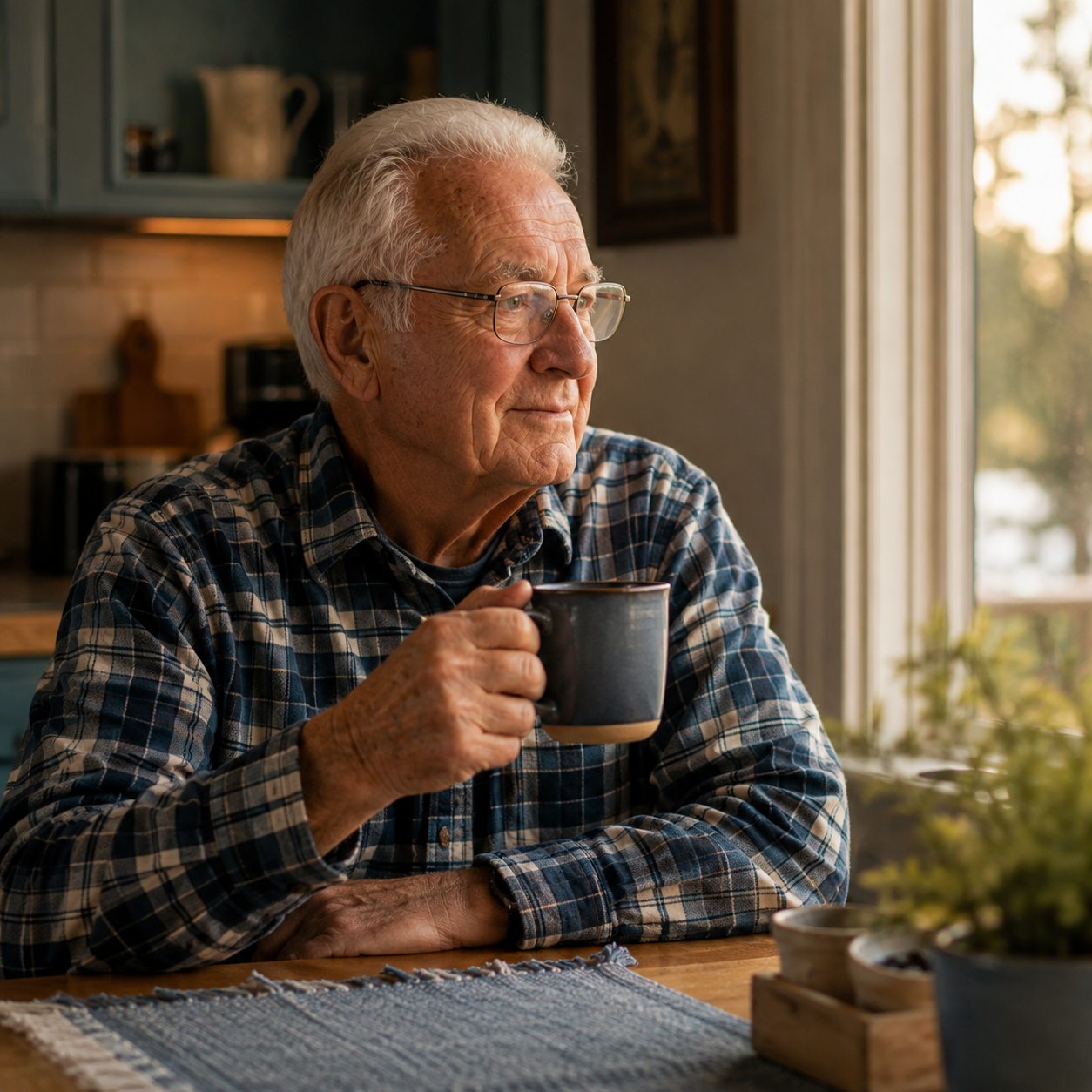
Now Frank sleeps until whenever. The coffee still gets made, but there’s nowhere to be. His daughter notices he’s quieter lately, spending more of the day in his chair. Nothing is wrong, exactly. The doctor says he’s healthy. Yet something essential has gone missing, and both of them can feel it.
That missing thing has a name: purpose. And for seniors, it turns out to be far more than a nice-to-have.
The Morning-Alarm Test
Here’s a simple way to think about it. For most of adult life, the reason to get up in the morning arrives automatically — a job, children to raise, a household to run, people counting on us. We rarely have to search for purpose because it’s built into the day.
Retirement quietly removes that scaffolding. The job ends. The children grow up and move away. The household shrinks. What once arrived without asking now has to be sought out deliberately — and when no one helps a senior seek it, the absence is felt fast.
This is why purpose in seniors deserves real attention. It isn’t sentimental. It’s structural.
What the Research Actually Shows
The science here is striking. In a large analysis drawing on the long-running Health and Retirement Study, researchers found that older adults with the strongest sense of purpose lowered their risk of death by roughly 15 percent compared to those with the least — an association that held across gender, race, and ethnicity.
Beyond longevity, a strong sense of purpose is consistently linked to better physical health, lower rates of depression, and sharper cognition in later life. One finding from that body of research speaks directly to families: caregivers often underestimate how purposeful their aging loved ones still are — and that assumption can quietly shape how much room they leave them to contribute.
The takeaway isn’t that seniors need grand ambitions. It’s that feeling needed and useful is genuinely protective — and that families play a real role in keeping it alive.
What Purpose Looks Like in Later Life
Purpose rarely announces itself. In later life it tends to show up quietly, in a handful of familiar forms.
Contribution
The feeling of being useful to others sits at the heart of purpose. That might be a senior who knits for a shelter, phones an even older friend each week, tends the community garden, or volunteers at their place of worship. The task matters less than the sense of being counted on.
Legacy
Passing something on gives the present a job to do. Recording family stories, organizing decades of photographs, teaching a grandchild a treasured recipe, or writing down a life’s worth of lessons all turn memory into mission — and leave families something priceless.
Meaningful roles at home
Purpose doesn’t require leaving the house. Being the one who waters the plants, folds the laundry, keeps the family birthday calendar, or starts the Sunday sauce keeps a senior firmly in the role of contributor rather than recipient. These small jobs carry outsized dignity.
What Families Can Do
Resist the urge to do everything
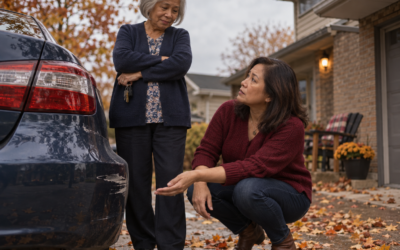
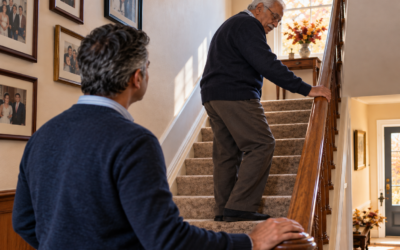
Love often looks like taking tasks off a senior’s plate. But stripped of every responsibility, a person can feel more like a guest in their own life than a participant in it. Leave the jobs your loved one can still do — even when you could do them faster.
Reconnect them to what they love
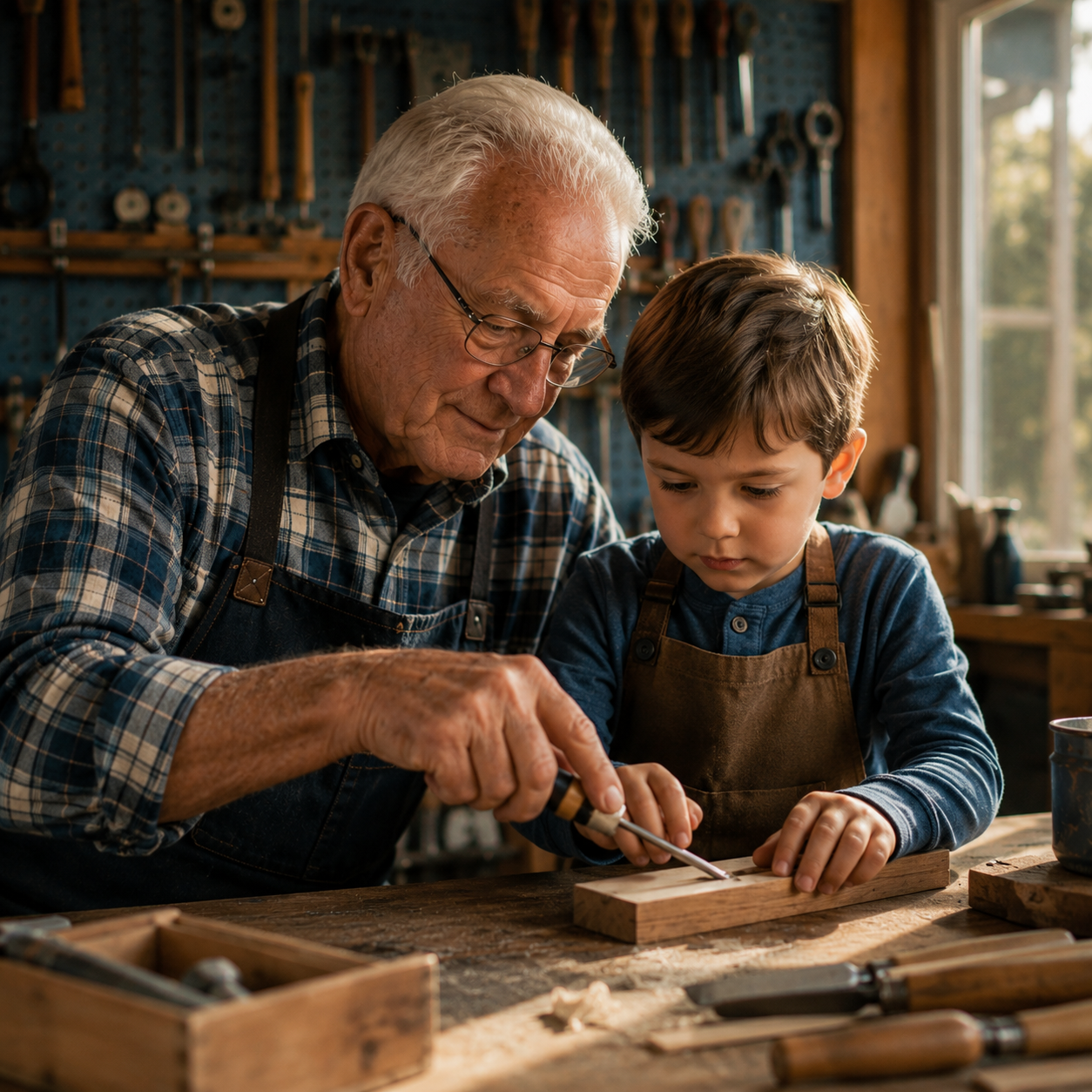
Think back to what lit your loved one up in earlier decades — a craft, a cause, a skill, a hobby. Much of it can be revived or adapted. Sometimes reawakening purpose is as simple as dusting off the old toolbox and asking for their help with something real.
Create small, genuine responsibilities
Invent roles if you have to, but make them real. Ask your loved one to teach a grandchild something they know, take charge of a corner of the garden, or own a standing weekly task. A responsibility that matters to someone else is purpose in its most usable form.
Get the Complete Picture

Purpose and meaning is the fourth of six pillars in our free August resource, The Complete Guide to Keeping Seniors Active, Engaged, and Connected. It covers physical activity, cognitive engagement, social connection, purpose, creativity, and a full year of activity ideas — plus a simple weekly engagement checklist families can put to use right away. Download your copy and follow along all month.
Frequently Asked Questions
How do I help a parent who says they feel “useless” or “in the way”? Start by giving them a real role, however small. Being genuinely needed for a task — teaching, tending, or contributing something only they can — does more to counter those feelings than reassurance alone.
Isn’t it kinder to let a senior fully relax and be waited on? Rest matters, but being stripped of every responsibility often backfires. Meaningful contribution is tied to better mood, health, and cognition, so keeping seniors involved is a form of care, not a burden on them.
Can a caregiver support a loved one’s sense of purpose? Yes. Ideal Caregivers 4U companion caregivers in Ottawa, Mississauga, Edmonton, Markham, Pickering-Ajax, and Oshawa-Whitby support seniors in doing what they can — helping in the kitchen while the senior directs, or assisting with a legacy project — rather than doing everything for them.
Every family’s situation is unique, but no one should have to navigate senior care alone. Ideal Caregivers 4U provides personalized, non-medical in-home support that helps seniors remain safe, comfortable, and independent at home while giving families true peace of mind.
Learn how we can help by clicking the link below or calling us at
1-866-372-0603