
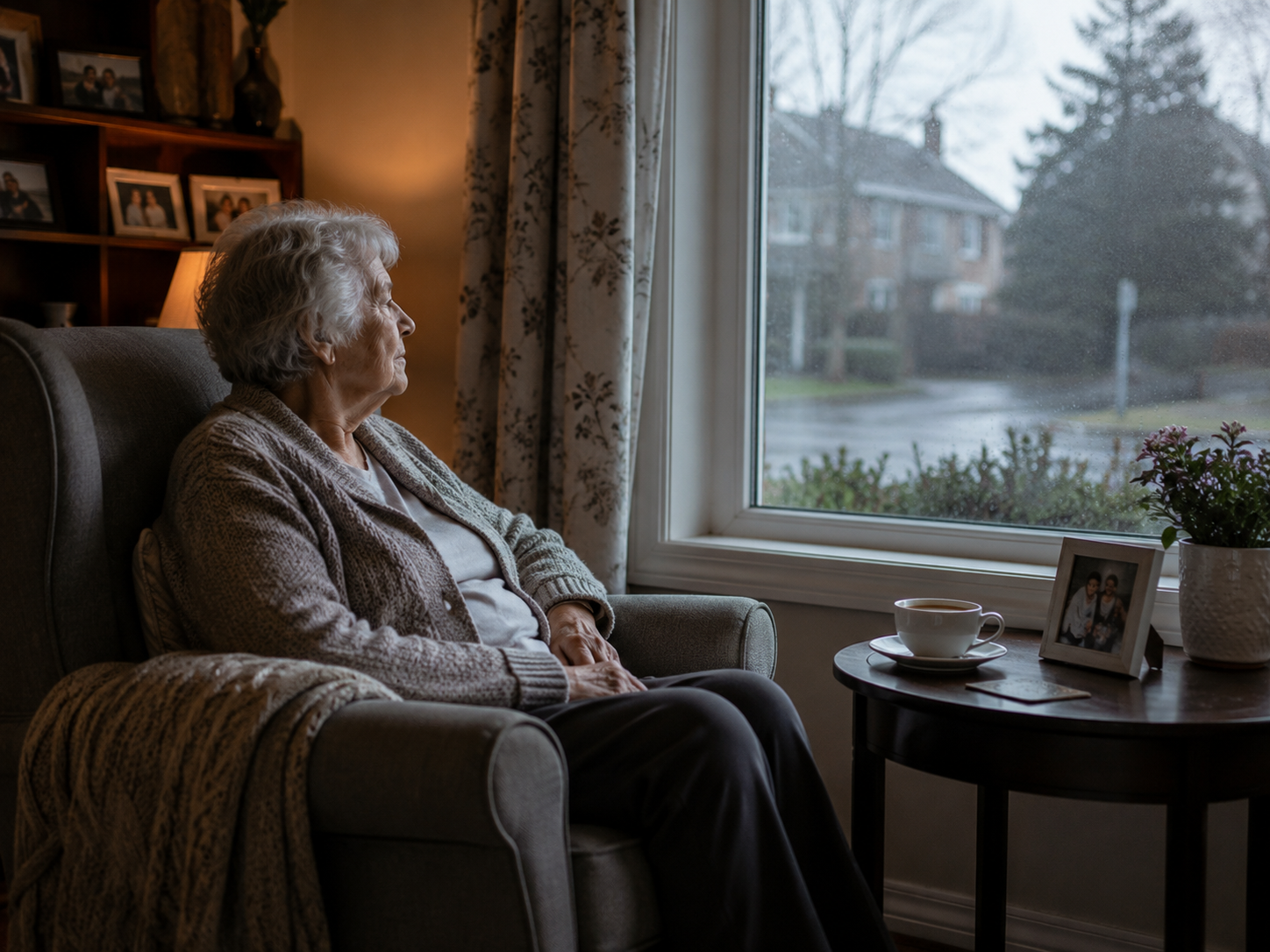
Picture a Tuesday afternoon in November.
The television is on — not because anyone is watching, but because the sound fills the room. Lunch was crackers and tea. The last real conversation was four days ago, when the pharmacy called about a prescription. Outside, the neighbourhood is quiet. No one is coming today.
This is what loneliness looks like for many Canadian seniors aging at home. Not dramatic. Not a crisis in any obvious sense. Just a quiet, persistent absence of connection that settles in gradually — and does real damage over time.
Loneliness and social isolation among older adults have reached levels that researchers and public health officials describe as an epidemic. However, it remains one of the least discussed aspects of aging, in part because it’s harder to see than a fall or a medication error. Nevertheless, the health consequences are just as serious — and the opportunities to help are real.
The Canadian Coalition for Seniors’ Mental Health provides evidence-based resources on mental health, isolation, and wellbeing in older Canadians — a valuable reference for families navigating these concerns.
Understanding the Difference: Loneliness vs. Social Isolation
Before going further, it helps to distinguish between two related but distinct experiences.
Social isolation is a measurable fact — a senior who has few social contacts, limited community involvement, and infrequent interaction with others. It can be identified and tracked objectively.
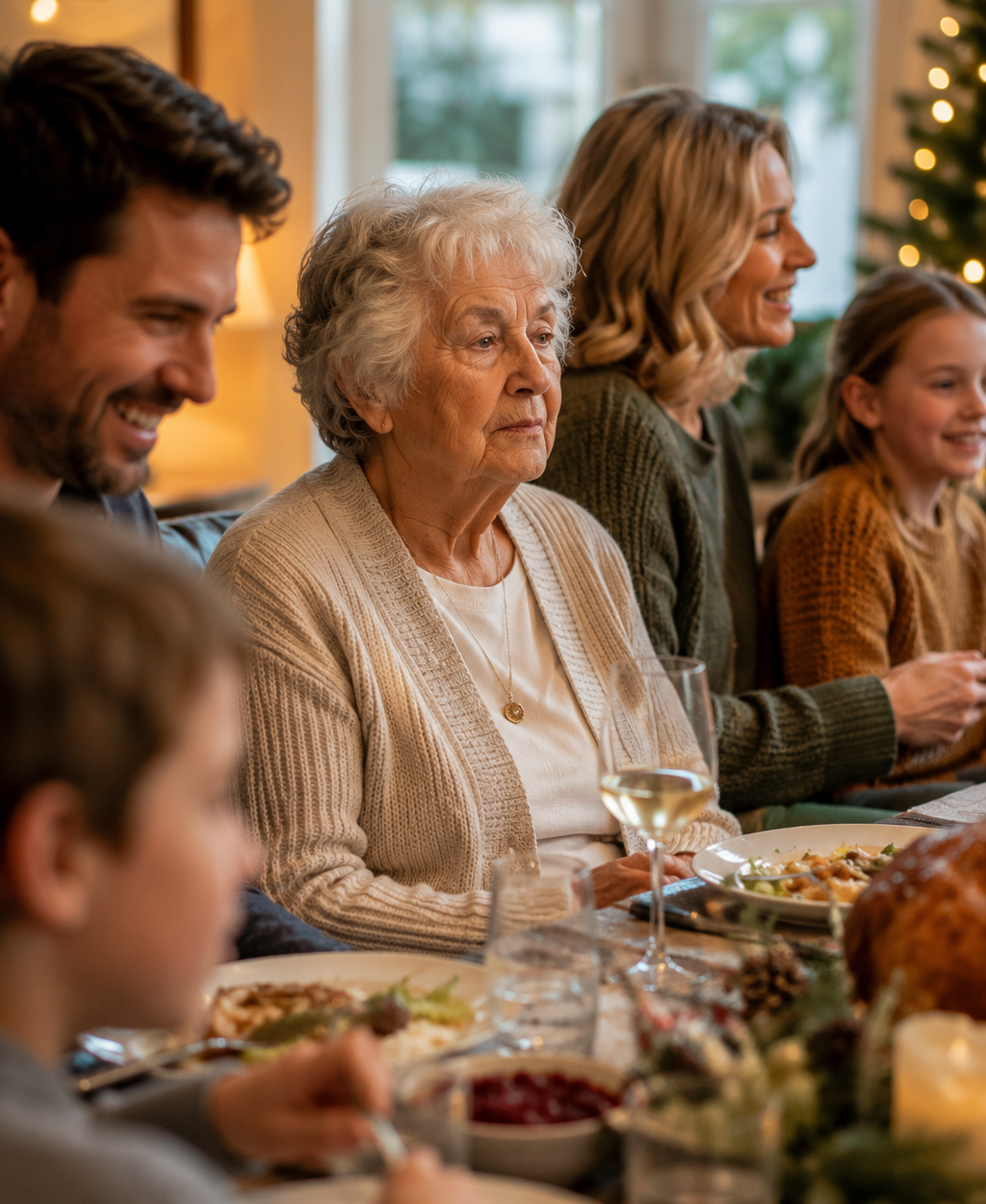
Loneliness is subjective — the painful gap between the social connection a person wants and the connection they actually have. Importantly, a senior can be socially isolated without feeling lonely, and can feel deeply lonely while surrounded by people.
Both matter, however. Social isolation creates objective risk — fewer people to notice health changes, provide help, or respond in an emergency. Loneliness, meanwhile, creates subjective suffering that directly affects physical and mental health. Addressing both is important, and they often require different approaches.
Why Seniors Become Isolated
Isolation rarely happens all at once. Instead, it develops through a series of losses and transitions that accumulate over time.
Loss of Driving Independence
For many older adults, giving up driving is the single most isolating transition they face. It removes the ability to get to appointments, social activities, places of worship, and shops independently. Suddenly, every outing requires asking someone for help — and many seniors resist doing so, particularly when they don’t want to feel like a burden.
Loss of Spouse and Close Friends
The death of a spouse is one of life’s most significant losses — not only emotionally, but socially. Couples often share a social world. When one partner dies, that network can contract dramatically. Additionally, as peers age, their own health challenges limit their availability. A senior’s social circle can shrink steadily through the 70s and 80s simply through attrition.
Health Challenges and Mobility Changes
Arthritis, hearing loss, chronic pain, and reduced mobility all make socializing more effortful. Hearing loss in particular is a significant barrier — it makes conversation exhausting and embarrassing, and many seniors withdraw from social situations rather than struggle through them. Additionally, incontinence, fatigue, and anxiety about managing health needs away from home can all quietly discourage social engagement.
Retirement and Role Loss
Work provides not just income but structure, purpose, and daily social contact. Retirement removes all three simultaneously. For many people, the transition is welcome — but for others, particularly those whose professional identity was central to their sense of self, it creates a significant social gap that isn’t easily filled.

The Health Consequences Are More Serious Than Most Families Realize
Research on the health impact of loneliness and social isolation has produced findings that are difficult to overstate.
Physical Health
Studies have found that severe loneliness carries health risks comparable to smoking 15 cigarettes a day. Furthermore, social isolation increases the risk of heart disease and stroke, weakens immune function, disrupts sleep, and reduces physical activity. Isolated seniors are more likely to neglect their health, miss medical appointments, and delay seeking care when something goes wrong.
Cognitive Health
Loneliness and social isolation are significant risk factors for cognitive decline and dementia. Social engagement appears to be genuinely protective for brain health — the cognitive stimulation, communication demands, and emotional connection of regular social interaction help maintain function in ways that solitary activities don’t replicate. Therefore, addressing isolation is not just an emotional priority — it’s a brain health priority.
Mental Health
Depression is far more prevalent among isolated seniors than among those with strong social connections. Moreover, untreated depression in older adults often goes unrecognized — dismissed as a natural response to aging or confused with cognitive decline. Anxiety about health, safety, and the future also increases in isolation, creating a cycle where fear restricts activity and activity restriction deepens fear.
What Families Can Do
The most important thing families can do is take the problem seriously — not dismiss it as an inevitable part of aging or assume their loved one is “fine” because they haven’t complained.
Make Contact Regular and Consistent
Frequent, brief contact matters more than occasional elaborate visits. A daily five-minute phone call does more for a senior’s sense of connection than a monthly dinner. Consistency signals that the person is thought of and remembered — not just checked on when it’s convenient.
Video calls bring an additional dimension — seeing a face, reading expressions, feeling seen in a way that voice alone doesn’t provide. Many seniors who initially resist video calling come to value it deeply once it becomes routine.
Help Them Stay Connected to Community
Faith communities, seniors’ centres, library programs, community choirs, volunteer organizations — these aren’t just nice extras. For many older adults, they’re the primary source of social engagement outside the family. Helping a senior maintain access to these connections — through transportation, accompaniment, or encouragement — is genuinely meaningful support.
Don’t Underestimate the Phone
For seniors with limited mobility or technology confidence, the telephone remains one of the most important social tools available. Friendly Visiting programs — volunteer phone call programs for isolated seniors — exist in many communities and provide regular, warm contact that can make a real difference in daily life.
Address Hearing Loss
If hearing loss is making conversation difficult or embarrassing for your loved one, address it directly. An audiology assessment and properly fitted hearing aids can transform a senior’s ability to engage socially — and the reluctance many older adults feel about hearing aids is often resolved once they experience the difference.
The Role of Companion Care
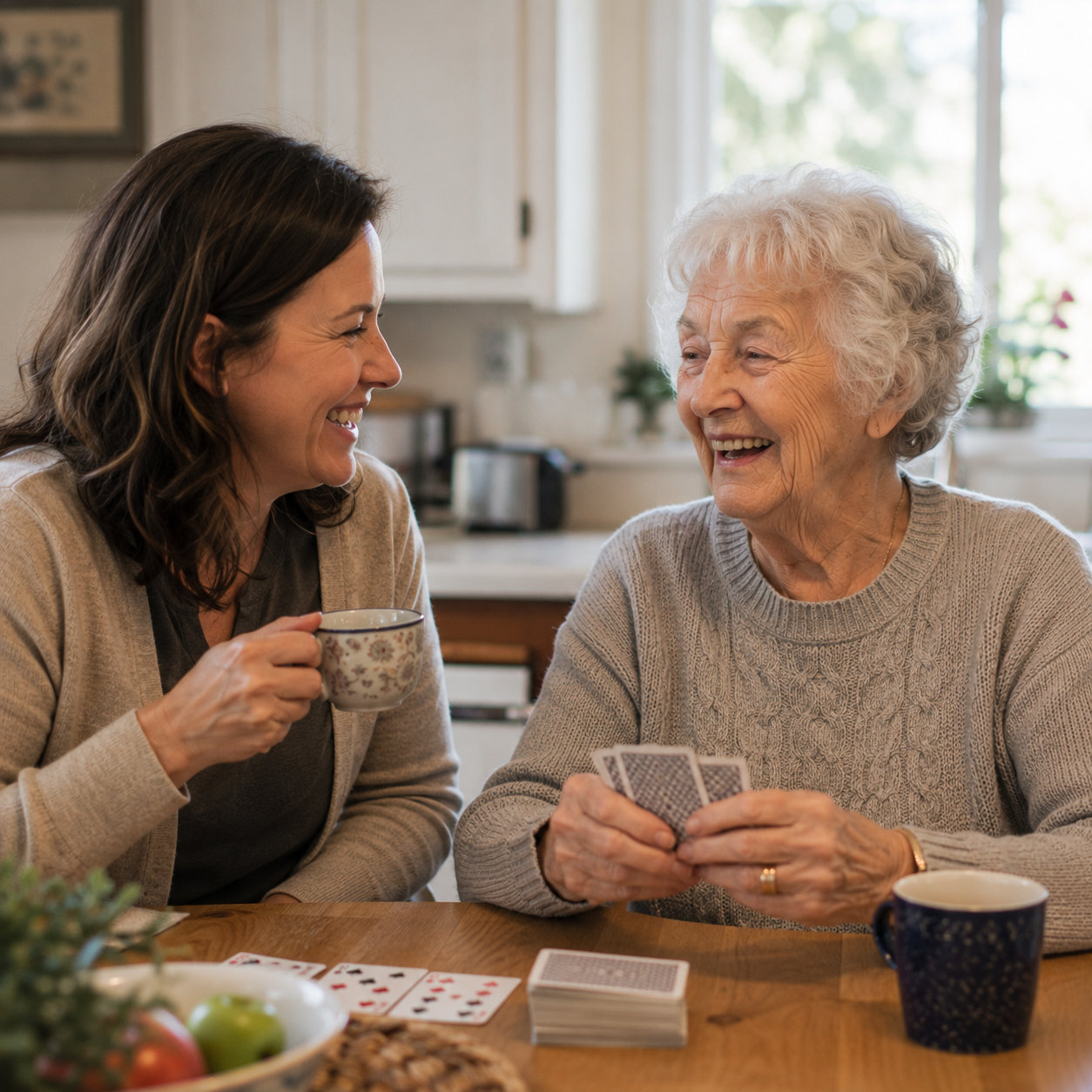
For seniors who are significantly isolated — particularly those living alone, with limited mobility, or without a nearby family network — professional companion care can provide a level of consistent, warm social engagement that families cannot always supply themselves.
A companion caregiver is not a substitute for family. Rather, they add something families often cannot: regular, scheduled presence that doesn’t depend on anyone’s availability, health, or proximity.
A companion who visits two or three times a week provides conversation, shared activities, and the simple but profound experience of having someone there.
Our companion caregivers at Ideal Caregivers 4U work with seniors across Ottawa, Kingston, and the Greater Toronto Area — matched to each client based on personality and shared interests, not just availability. Activities might include reading together, playing cards, going for walks, working on a hobby, or simply sharing a meal and talking. Over time, these relationships become genuinely meaningful to both parties.
Additionally, companion care provides families with peace of mind and relief from the guilt of not being able to be there more often. To learn more, visit idealcaregivers4u.com/services/ or call 1-866-372-0603.
For the complete family guide to aging safely at home — covering social connection alongside home safety, fall prevention, nutrition, and more — download our free booklet:The Family Guide to Helping a Senior Age Safely at Home
Frequently Asked Questions
How common is loneliness among Canadian seniors? Loneliness and social isolation are widespread among older Canadians — studies suggest a significant proportion of seniors experience meaningful isolation, with rates rising sharply among those over 80, those living alone, and those who have recently lost a spouse. The Canadian Coalition for Seniors’ Mental Health identifies isolation as one of the most significant mental health concerns facing older adults in Canada today.
What is the difference between loneliness and social isolation? Social isolation is objective — having few social contacts and limited community involvement. Loneliness is subjective — the painful gap between desired and actual connection. Both carry health risks, but they often require different responses. A senior can be isolated without feeling lonely, or deeply lonely despite regular contact. Addressing both is important for overall wellbeing.
What are the health effects of loneliness in older adults? Research links severe loneliness to health risks comparable to smoking 15 cigarettes a day. Additionally, social isolation increases risk of heart disease, stroke, cognitive decline, depression, and weakened immune function. Isolated seniors also tend to delay seeking medical care and are less likely to maintain healthy habits. Addressing isolation is therefore both an emotional and a physical health priority.
How can I help an isolated aging parent without living nearby? Consistent, frequent contact — even brief daily phone or video calls — makes a meaningful difference. Help them maintain access to community programs and faith communities through transportation or encouragement. Consider a friendly visiting program in their area. Additionally, professional companion care provides regular, scheduled in-person connection when family can’t be present. Ideal Caregivers 4U offers companion care for seniors across Ottawa, Mississauga, Kingston, Markham, Pickering, Ajax, Oshawa, and Whitby. Call 1-866-372-0603 to learn more.
Can in-home companion care help with loneliness? Yes — companion caregivers provide consistent, warm social engagement for seniors who are isolated or at risk of isolation. Regular visits offer conversation, shared activities, and the experience of being genuinely seen and connected. Over time, companion relationships often become meaningful to both parties. Ideal Caregivers 4U matches companions to seniors based on personality and shared interests across Ottawa, Mississauga, Kingston, Markham, Pickering, Ajax, Oshawa, and Whitby.
Every family’s situation is unique, but no one should have to navigate senior care alone. Ideal Caregivers 4U provides personalized, non-medical in-home support that helps seniors remain safe, comfortable, and independent at home while giving families true peace of mind.
Learn how we can help by clicking the link below or calling us at
1-866-372-0603