Every 20 seconds, a Canadian senior is treated in an emergency room for a fall-related injury.
Falls are the leading cause of injury-related hospitalization among older adults in Canada — ahead of car accidents, ahead of all other causes. And the majority of those falls happen at home, in the spaces seniors know best, during ordinary daily activities.
Here’s what makes that statistic so important: most falls are preventable. Not all of them — but most. The risk factors that lead to falls are well understood, and effective strategies exist for addressing them. The problem is that most families don’t act until after a fall happens.
This post is about acting before.
The Public Health Agency of Canada provides evidence-based fall prevention resources specifically for Canadian seniors and their families — a useful reference alongside this guide.
Why Falls Are So Dangerous for Seniors
A fall at 35 is an inconvenience. A fall at 75 or 80 can be life-changing.
Older adults are more vulnerable to serious injury from falls because bone density decreases with age, recovery takes longer, and complications — pneumonia from extended bed rest, blood clots, pressure injuries — are more likely. Hip fractures are among the most serious consequences. Roughly 20 percent of seniors who sustain a hip fracture die within a year, often from complications rather than the fracture itself.
The Fear Factor
Beyond physical injury, falls carry a significant psychological toll. Many seniors who fall — even without serious injury — develop a fear of falling again. That fear leads them to restrict their activity and movement, which in turn causes the muscle weakness and balance decline that makes a second fall more likely. It’s a difficult cycle that’s hard to break once it starts.
Therefore, prevention matters far more than most families realize. A fall prevented isn’t just an injury avoided — it’s a cycle of decline interrupted before it begins.
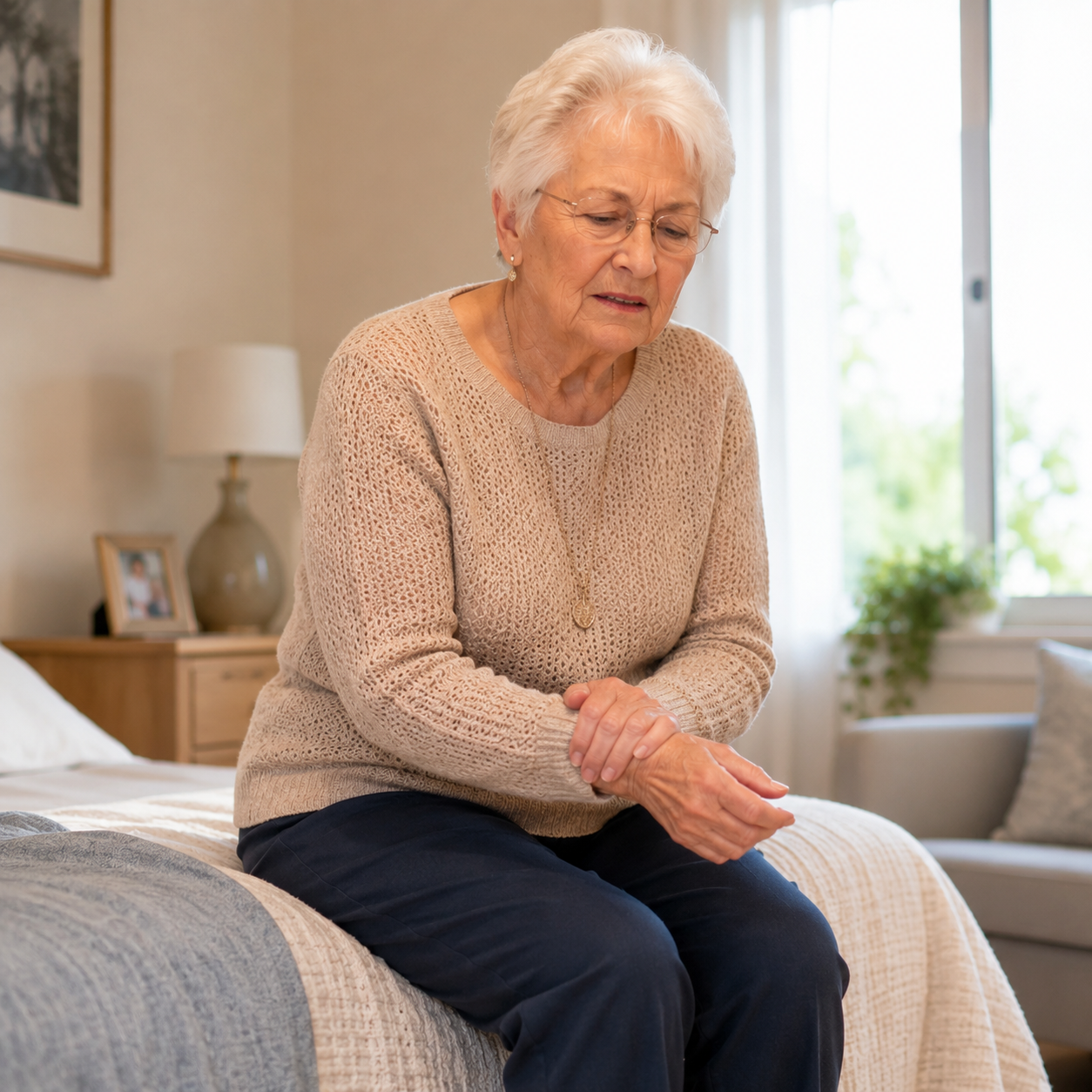
Understanding Fall Risk: It’s Rarely Just One Thing
Falls almost never have a single cause. Instead, they result from a combination of risk factors building up over time — until something tips the balance.
Physical Risk Factors
Muscle weakness and balance problems are the most significant contributors to fall risk. Strength and balance both decline naturally with age, and the decline accelerates in seniors who are less active. Regular physical activity — particularly strength training and balance exercises — directly addresses this risk.
Chronic health conditions including arthritis, Parkinson’s disease, diabetes, and heart conditions all affect balance, strength, coordination, or sensation in ways that increase fall risk. Additionally, a history of previous falls is itself a strong predictor of future falls.
Vision changes reduce the ability to detect hazards, judge distances, and navigate changes in light. Regular eye exams and updated prescriptions matter more than many families realize.
Medication Risk Factors
Medication is one of the most underappreciated fall risk factors. Several categories of medication increase fall risk significantly — including blood pressure medications that cause dizziness on standing, sedatives and sleep aids, some antidepressants, and diuretics that cause urgent trips to the bathroom. Polypharmacy — taking five or more medications — multiplies the risk further.
A medication review with the family physician or pharmacist can identify fall-risk medications and explore safer alternatives where they exist. This is one of the simplest and most effective fall prevention strategies available, yet many families overlook it entirely.
Environmental Risk Factors
The home environment contributes to a significant proportion of falls. Loose rugs, poor lighting, cluttered pathways, a bathroom without grab bars, stairs without secure handrails — these hazards don’t cause falls on their own, but they combine with physical risk factors to create the conditions where falls happen.
However, environmental hazards are also among the most addressable fall risk factors. A thoughtful home safety assessment — like the checklist covered in our July 3rd post — removes many of them quickly and inexpensively.
Fall Prevention Strategies That Actually Work
Research on fall prevention is clear: the most effective approach combines multiple strategies simultaneously. Addressing just one risk factor — improving lighting, for example, while ignoring medications and physical fitness — produces limited results. Addressing several together is where real impact happens.
Exercise Is the Single Most Effective Strategy
Studies consistently show that targeted exercise programs reduce fall rates in older adults by 20 to 30 percent. The most effective programs combine strength training with balance exercises. Walking is beneficial, but it’s not enough on its own — seniors need specific exercises that challenge and build the muscles and coordination used in balance recovery.
A physiotherapist can design an individualized program based on your loved one’s current fitness level, health conditions, and fall history. Many community centres and seniors’ programs also offer fall prevention exercise classes designed specifically for older adults. Furthermore, exercise improves confidence and mood alongside physical function — the benefits compound.
Review Medications Regularly
Ask the family physician for a medication review with fall risk in mind. Bring a complete, up-to-date list of all medications including supplements and over-the-counter drugs. Ask specifically whether any current medications increase fall risk, and whether safer alternatives exist for those that do.
Address Vision
Schedule an eye exam if it’s been more than a year. Ensure prescriptions are current. Check whether glasses are clean and undamaged. Consider lighting upgrades at home to compensate for reduced visual acuity — brighter is generally better for seniors navigating their home safely.
Modify the Home Environment
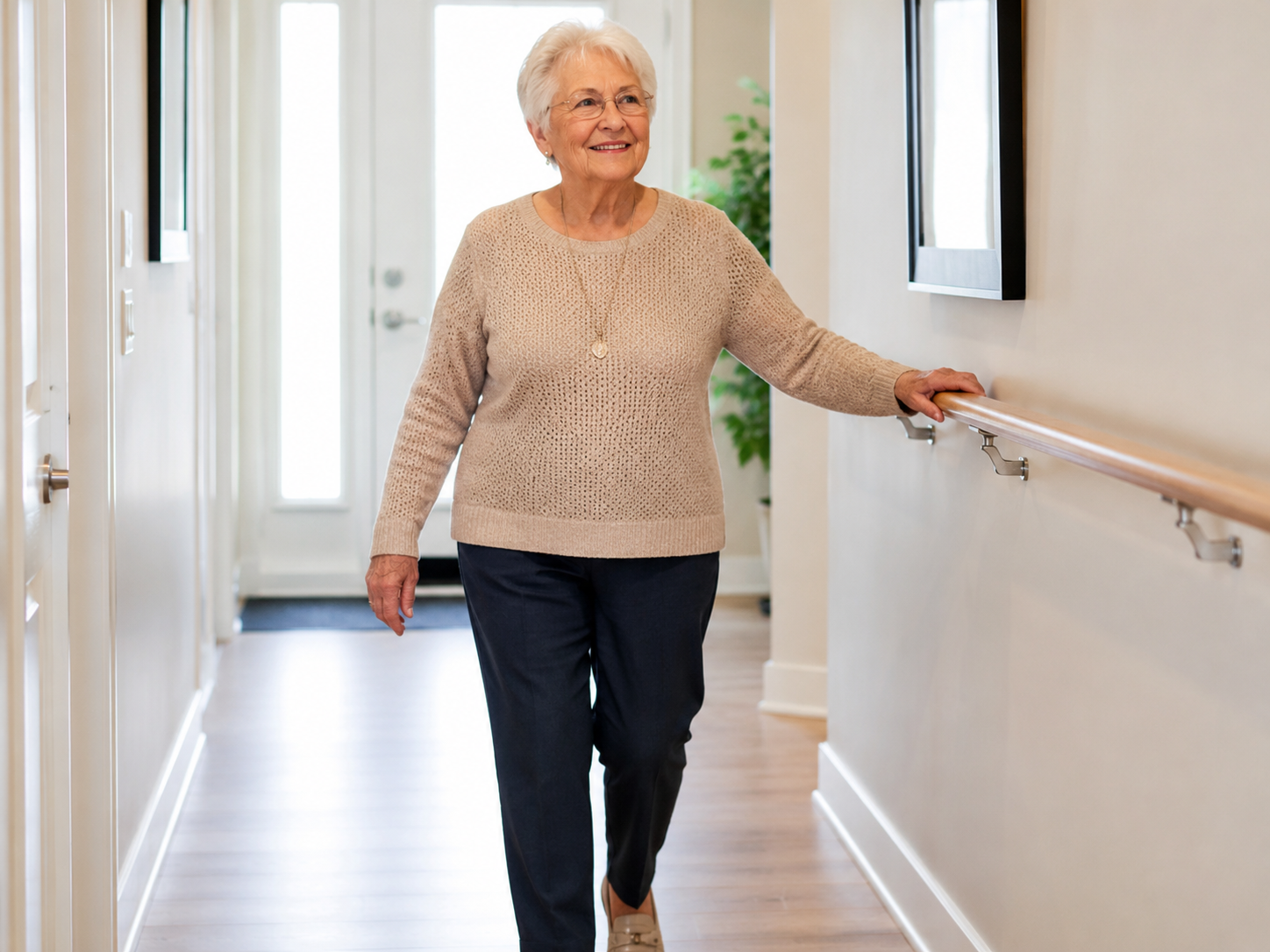
Remove loose rugs and floor clutter. Install grab bars in the bathroom. Improve lighting throughout the home, particularly in hallways and the bedroom-to-bathroom path. Secure stair handrails. These modifications don’t eliminate fall risk, but they meaningfully reduce it — particularly when combined with physical conditioning.
A professional home safety assessment goes further than a family walkthrough. Ideal Caregivers 4U provides senior home safety assessments and fall prevention assessments for families across Ottawa, Kingston, and the Greater Toronto Area. A trained assessor identifies hazards families commonly miss and recommends specific solutions. Call 1-866-372-0603 or visit idealcaregivers4u.com/services/ to arrange one.
Consider a Personal Alert Device
A personal emergency response system — a wearable device that allows a senior to call for help if they fall — doesn’t prevent falls, but it significantly reduces the consequences. For seniors who live alone, the ability to call for help quickly after a fall can be life-saving. Many devices now include automatic fall detection, which contacts emergency services even if the person is unable to press the button.
What to Do After a Fall
Despite best efforts, falls happen. Knowing how to respond matters.
In the Immediate Aftermath
If your loved one falls, don’t rush them to get up. Check for injury first — pain, difficulty moving a limb, confusion, or a cut that may need attention. If there’s any suspicion of a serious injury, call 911 rather than attempting to help them up.
If the fall appears uninjured, help them up safely and slowly — never rushing, never pulling on an arm or shoulder. A physiotherapist can teach the correct technique for assisting someone from the floor, which protects both parties from injury.
After the Immediate Response
Every fall deserves a follow-up conversation with the family physician — even a fall without injury. Falls are a signal that something in the balance of risk factors has shifted, and that signal deserves investigation. Additionally, ask about a formal fall risk assessment, which can identify the specific factors that contributed and guide targeted prevention.
Don’t normalize falls as an inevitable part of aging. They’re common, but they’re not inevitable — and each one is an opportunity to reduce the risk of the next.
The Role of In-Home Care in Fall Prevention
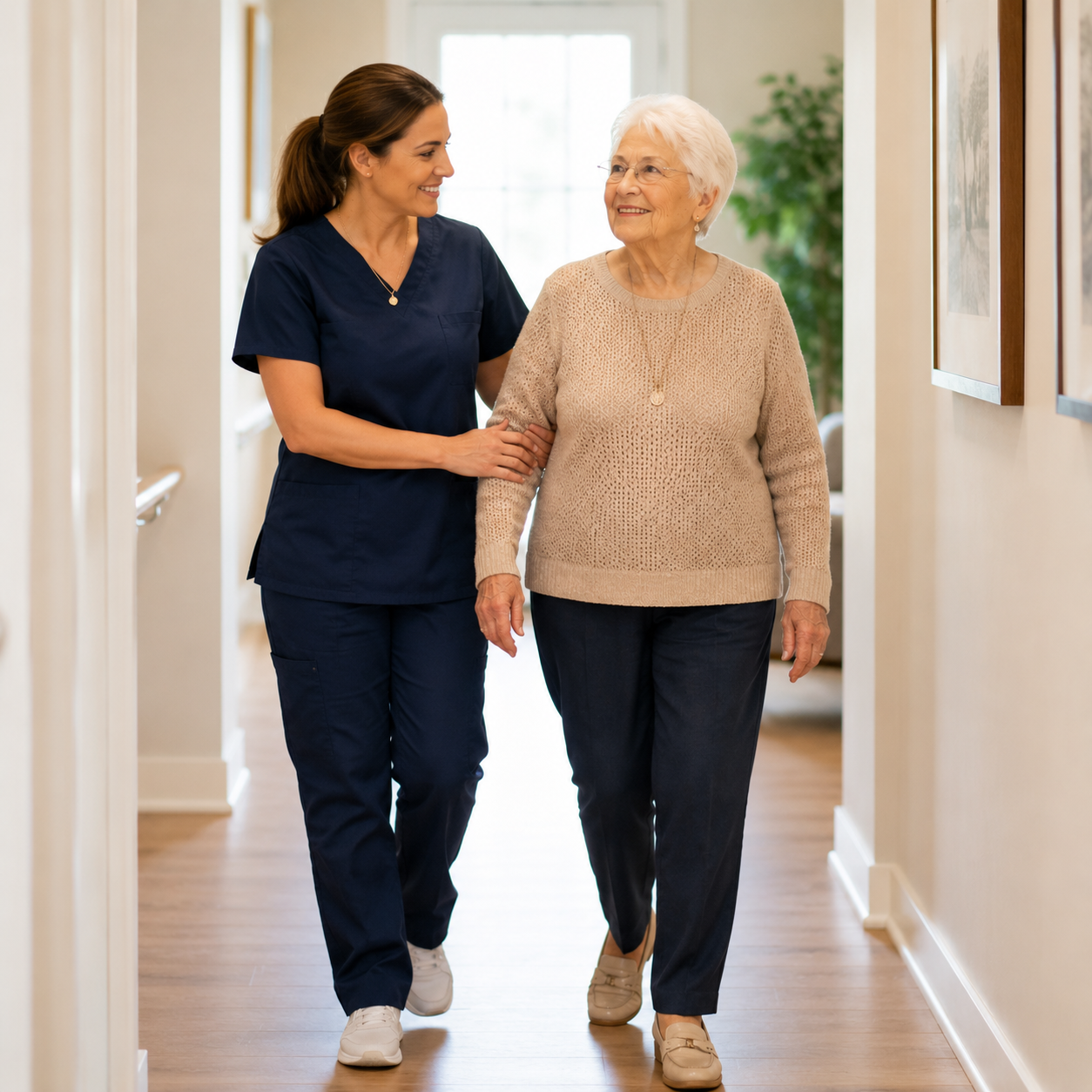
Companion caregivers also contribute — encouraging exercise, accompanying seniors on walks, and providing the social engagement that supports motivation and mental health. A senior who is connected, active, and purposeful is less likely to become sedentary, and sedentary seniors face significantly higher fall risk.
Ideal Caregivers 4U provides PSW caregivers and companion caregivers for seniors across Ottawa, Kingston, and the Greater Toronto Area — matched to each client’s specific needs and circumstances. To discuss how in-home care can support fall prevention for your loved one, call 1-866-372-0603.
For the complete guide to aging safely at home — covering fall prevention alongside nutrition, home safety, social connection, and more — download our free booklet: The Family Guide to Helping a Senior Age Safely at Home
Taking the Next Step
Home modifications for seniors don’t have to be overwhelming. The right approach starts with identifying the highest-risk areas, making targeted changes, and building from there.
If you’re not sure where to start — or if you’d like a professional assessment of your loved one’s home — we’re here to help.
📞 Call us at 1-866-372-0603 or visit idealcaregivers4u.com/services to learn how we support seniors and their families across Ottawa, Mississauga, Edmonton, Markham, Pickering-Ajax, Oshawa-Whitby, and Kingston.
Frequently Asked Questions
What is the most common cause of falls in seniors? Falls rarely have a single cause. Most result from a combination of factors — muscle weakness, balance problems, medication side effects, vision changes, and home hazards — building up over time. Addressing multiple risk factors simultaneously is more effective than targeting just one. Ideal Caregivers 4U offers fall prevention assessments for families in Ottawa, Mississauga, Kingston, Markham, Pickering, Ajax, Oshawa, and Whitby.
Can falls be prevented in older adults? Most falls can be prevented — research suggests that targeted fall prevention programs reduce fall rates by 20 to 30 percent. The most effective approach combines exercise (particularly strength and balance training), medication review, vision care, home modifications, and in-home support. Acting before a fall occurs produces far better outcomes than responding after one.
What exercises help prevent falls in seniors? Strength training and balance exercises are the most effective. Programs that specifically challenge balance — heel-to-toe walking, single-leg standing, tai chi — show the strongest evidence for fall reduction. A physiotherapist can design an individualized program. Many community centres also offer fall prevention exercise classes for older adults. Walking is beneficial but not sufficient on its own.
What should I do after an elderly parent has a fall? Check for injury before helping them up. If serious injury is suspected, call 911. After the immediate response, schedule a follow-up with the family physician — even if the fall seemed minor. Ask about a formal fall risk assessment. Every fall is a signal that risk factors need review. Families in Ottawa, Mississauga, Kingston, Markham, Pickering, Ajax, Oshawa, and Whitby can also arrange a professional fall prevention assessment through Ideal Caregivers 4U.
How does in-home care help prevent falls? PSW caregivers provide hands-on assistance during the highest-risk daily activities — getting in and out of bed, bathing, dressing, and moving between rooms. Their presence means immediate support is available if balance falters. Companion caregivers encourage activity and accompany seniors on walks. Both contribute to maintaining the physical and social engagement that reduces fall risk over time. Call Ideal Caregivers 4U at 1-866-372-0603 to learn more.