

Most conversations about eating after stroke focus on swallowing safety — and rightly so. But nutrition itself deserves its own conversation. What a stroke survivor eats, how much they eat, and whether their body gets what it needs to heal are questions that sit at the heart of recovery.
The brain is a demanding organ. Repairing neural connections, rebuilding strength, and relearning functions all require fuel. When a stroke survivor isn’t eating enough — or isn’t eating the right things — recovery slows. Fatigue deepens. Mood worsens. And the risk of complications, including another stroke, increases.
For family caregivers managing modified-texture meals, appetite challenges, and the logistics of daily food preparation alongside everything else, nutrition can feel like one more overwhelming responsibility. This post breaks it down into practical, manageable territory.
Dietitians of Canada is an excellent resource for families seeking professional nutritional guidance after stroke — their website includes tools for finding a registered dietitian in your area.
Why Nutrition Matters More After Stroke
Stroke places enormous physiological demands on the body. The brain needs glucose, oxygen, and a steady supply of nutrients to support recovery. The body needs protein to rebuild muscle strength lost during hospitalization. The immune system needs vitamins and minerals to protect against infection. And the cardiovascular system — already compromised in many stroke survivors — needs careful nutritional support to reduce the risk of recurrence.
The Link Between Nutrition and Recovery Outcomes
Research consistently links good nutritional status in stroke survivors to better rehabilitation outcomes, shorter recovery timelines, and reduced risk of complications. Conversely, malnutrition after stroke — which affects a significant number of survivors — associates with increased rates of infection, longer hospital stays, greater functional decline, and higher mortality.
The message is straightforward: food is medicine in stroke recovery. Treating nutrition as a priority, not an afterthought, gives your loved one the best possible foundation for recovery.
Common Nutritional Challenges After Stroke
Understanding why stroke survivors often struggle to eat well helps caregivers respond more effectively. Several factors work against good nutrition after stroke.
Reduced Appetite
Appetite loss after stroke is extremely common. It stems from multiple sources — post-stroke depression, medication side effects, fatigue, changes in taste and smell, and the anxiety surrounding mealtimes when swallowing is difficult. A stroke survivor who ate heartily before may show little interest in food afterward, and pushing them to eat more than they want to can make mealtimes stressful for everyone.

Key Nutrients to Prioritize After Stroke
While overall caloric intake matters, certain nutrients play a particularly important role in stroke recovery and cardiovascular health.
Protein
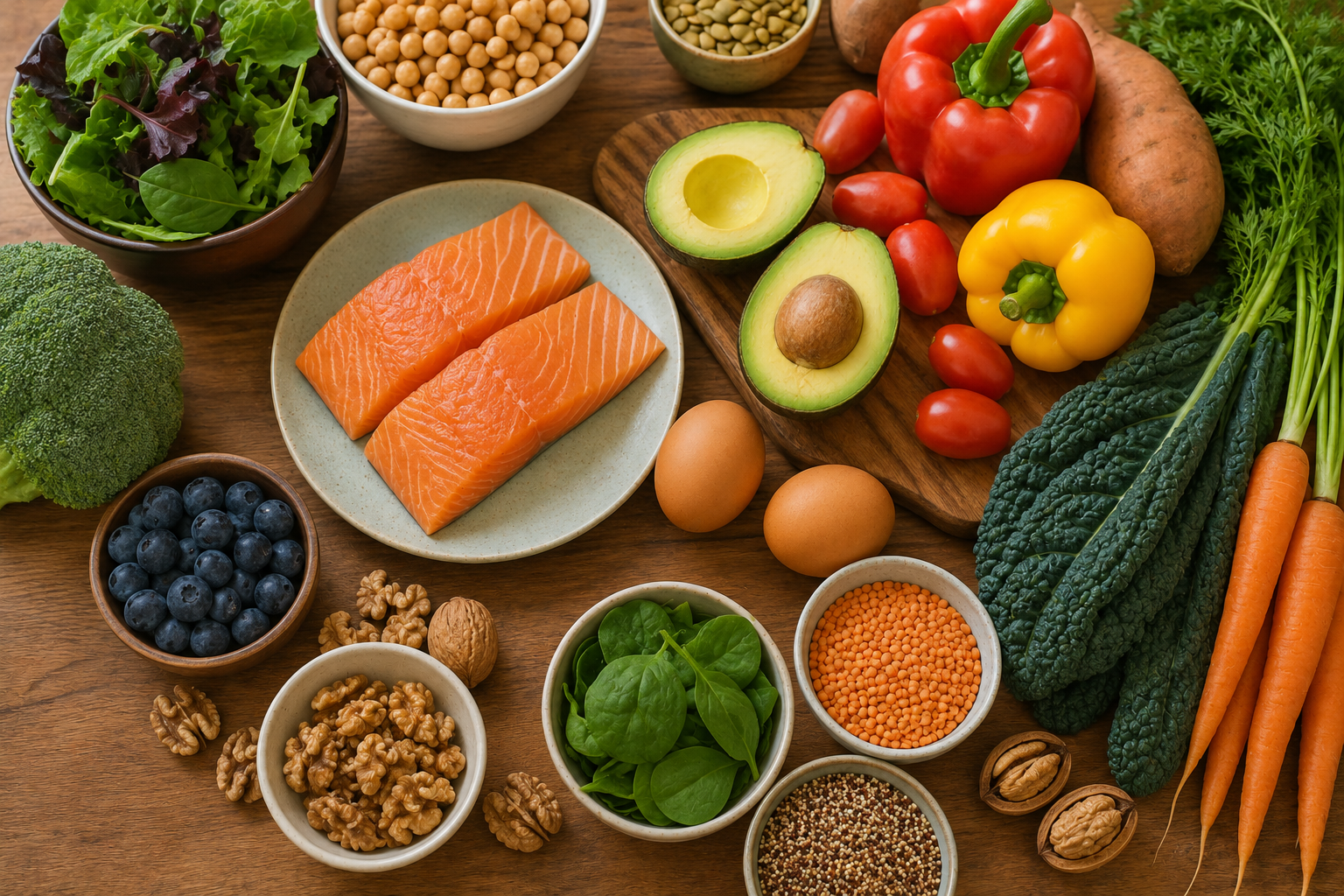
Protein supports muscle repair and maintenance — critical after the muscle loss that often accompanies hospitalization and reduced activity. Good protein sources include eggs, fish, poultry, legumes, dairy, and tofu. Many of these adapt well to modified textures, making them practical for stroke survivors with dysphagia.
Aim to include a protein source at every meal and most snacks. If appetite is low and full meals aren’t realistic, protein-rich snacks — yogurt, a boiled egg, a small portion of cottage cheese — help maintain intake without requiring a full sit-down meal.
Fibre
Constipation is a common and uncomfortable complication after stroke, caused by reduced mobility, medication side effects, and lower food and fluid intake. Adequate fibre intake — from vegetables, fruits, legumes, and whole grains — supports digestive health and reduces discomfort.
For stroke survivors on modified-texture diets, getting enough fibre requires some creativity. Puréed vegetables, blended fruit, and well-cooked legumes all provide fibre in a texture-modified form. A dietitian can help ensure fibre needs are met within the constraints of prescribed textures.
Vitamins and Minerals
Vitamins B6, B12, and folate help regulate homocysteine levels — elevated homocysteine associates with increased stroke risk. Vitamin D supports bone health, which matters given the fall risk stroke survivors face. Potassium and magnesium support blood pressure regulation. A varied diet that includes plenty of vegetables, fruits, lean proteins, and whole grains covers most of these needs, but a registered dietitian or physician may recommend targeted supplementation based on bloodwork.
Hydration: The Overlooked Priority
Dehydration is one of the most underrecognized nutritional problems after stroke — and one of the most consequential. Dehydration thickens the blood, increasing the risk of clots and recurrent stroke. It worsens fatigue, reduces cognitive function, and contributes to constipation, urinary tract infections, and confusion.
Why Stroke Survivors Often Drink Too Little
Several factors reduce fluid intake after stroke. Thickened liquids — prescribed for dysphagia — are less appealing than regular drinks and take more effort to consume. Reduced mobility makes it harder to access drinks independently. Some stroke survivors limit fluids intentionally to reduce toileting trips. And reduced thirst perception after stroke means the body’s natural signal to drink is less reliable.
Practical Strategies for Staying Hydrated
Offer fluids consistently throughout the day rather than waiting for your loved one to ask. Keep a drink within easy reach at all times. Make thickened liquids as appealing as possible — flavoured options, appropriate temperature, an attractive cup — to encourage regular intake. Track approximate daily fluid intake if dehydration is a concern, and raise persistent issues with the medical team.
Making Modified-Texture Meals Appealing
Texture modification is often necessary after stroke, but modified meals don’t have to be unappetizing. Presentation, temperature, variety, and flavour all contribute to whether a meal gets eaten — and getting it eaten is the whole point.
Presentation Matters
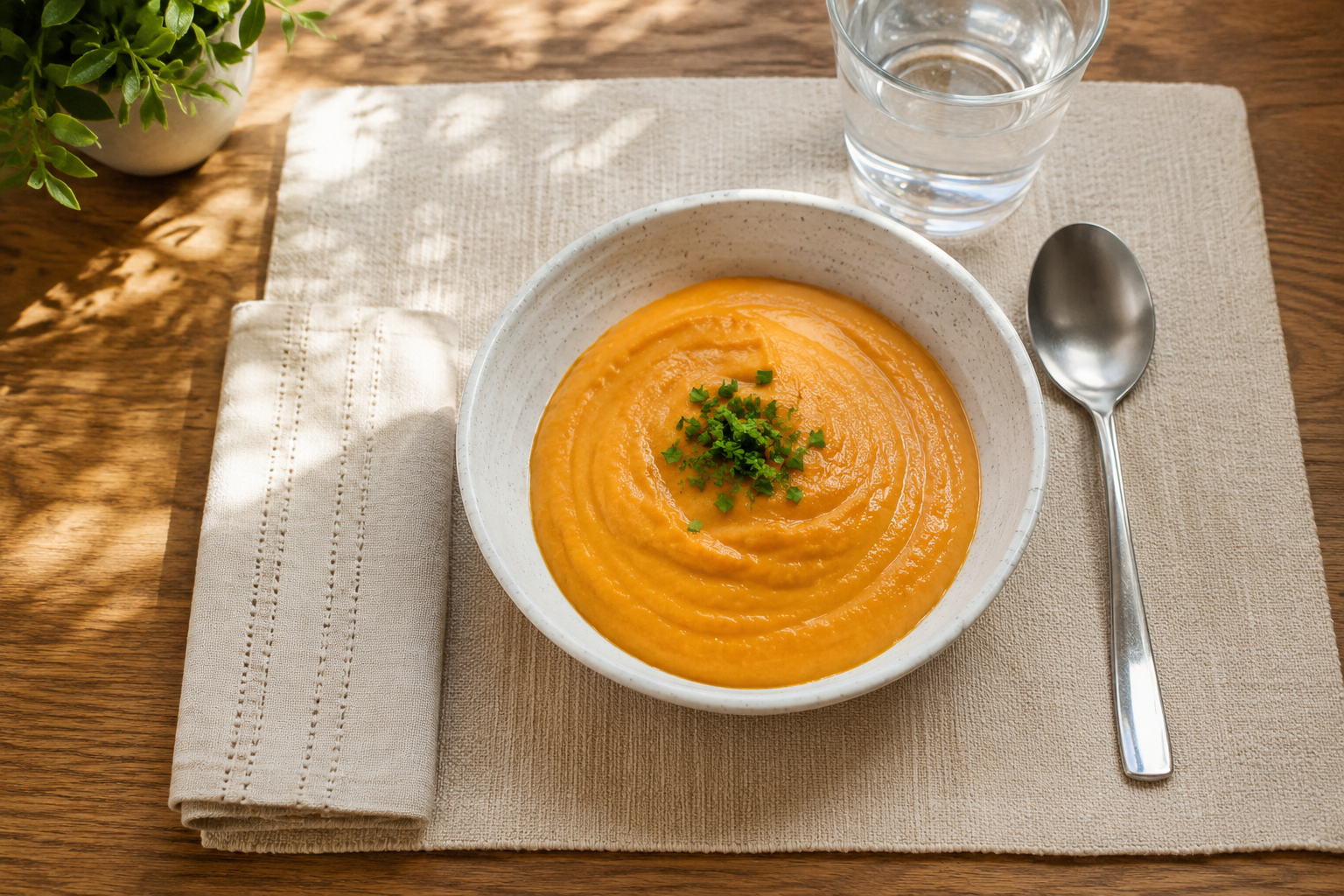
Puréed food served as an undifferentiated mass on a plate is discouraging. Using moulds to give puréed food a recognizable shape — a puréed carrot that looks like a carrot, a puréed piece of fish that looks like fish — preserves the visual dignity of the meal. Colour variety on the plate makes food more appealing. A thoughtfully set table communicates that the meal matters.
Temperature and Timing
Serve food at the right temperature — hot food hot, cold food cold. Modified-texture food loses its appeal quickly as it cools. Smaller portions served in courses rather than all at once keep each serving at the right temperature and reduce the visual overwhelm of a full plate.
Involve Your Loved One
Where possible, involve your loved one in meal choices. Asking “would you prefer chicken or fish tonight?” preserves agency and dignity at a time when much feels out of their control. Favourite flavours and dishes — adapted to safe textures — connect mealtimes to identity and pleasure rather than just necessity.
When to Involve a Registered Dietitian
A registered dietitian is the most qualified professional to assess your loved one’s nutritional needs after stroke and create an individualized plan. Consider requesting a referral when your loved one is losing weight consistently, has been prescribed texture modifications and you’re unsure how to meet nutritional needs within those constraints, has multiple health conditions that affect dietary requirements, or has persistent appetite loss that isn’t responding to practical strategies.

Your family physician or stroke rehabilitation team can provide a referral. Dietitians of Canada’s website also includes a find-a-dietitian tool at dietitians.ca.
How In-Home Meal Assistance Makes a Difference
Preparing nutritious, texture-appropriate meals consistently — day after day, across multiple meals — is one of the most time-intensive caregiving responsibilities families face. It requires knowledge of safe textures, creativity with presentation, attentiveness during mealtimes, and the physical and mental energy to do it well every single day.
This is one of the most practical and immediate ways in-home care supports stroke recovery. Our caregivers at Ideal Caregivers 4U assist post-stroke clients across Ottawa, Kingston, and the Greater Toronto Area with meal preparation and mealtime support — preparing food to the right texture, ensuring meals are appealing and nourishing, and staying present throughout the meal. For families already stretched thin across caregiving responsibilities, this kind of consistent, knowledgeable support changes daily life significantly.
To learn more about our meal assistance services, visit idealcaregivers4u.com/services/ or call 1-866-372-0603.
For a complete guide to caring for a loved one after stroke — including communication, swallowing safety, home modifications, and emotional recovery — download our free booklet: Caring for a Loved One After Stroke: A Family Caregiver’s Guide to Communication, Meals, and Daily Safety.
Frequently Asked Questions
Why is nutrition important for stroke recovery? Good nutrition provides the brain and body with the fuel and building blocks needed for recovery — supporting neural repair, muscle rebuilding, immune function, and cardiovascular health. Research links good nutritional status in stroke survivors to better rehabilitation outcomes and reduced risk of complications. Malnutrition after stroke, which affects a significant number of survivors, associates with increased infection rates, greater functional decline, and slower recovery. Treating nutrition as a priority from the earliest stages of recovery gives your loved one the best possible foundation.
What foods support recovery after stroke? Key nutrients for stroke recovery include protein (for muscle repair and maintenance), fibre (for digestive health), omega-3 fatty acids (for brain health and inflammation reduction), and vitamins B6, B12, and folate (for cardiovascular health). A varied diet rich in vegetables, fruits, lean proteins, whole grains, and healthy fats covers most nutritional needs. A registered dietitian can provide individualized guidance based on your loved one’s specific health conditions, medications, and dietary restrictions. Families in Ottawa, Mississauga, Kingston, Markham, Pickering, Ajax, Oshawa, and Whitby can request a referral through their family physician or stroke rehabilitation team.
How do I keep a stroke survivor hydrated when they resist drinking? Offer fluids consistently throughout the day rather than waiting for your loved one to ask. Keep drinks within easy reach at all times. Make thickened liquids as appealing as possible through flavouring, appropriate temperature, and attractive presentation. Avoid limiting fluids unnecessarily — some stroke survivors reduce intake to minimize toileting, but dehydration carries serious risks including increased clot risk and cognitive decline. If persistent dehydration is a concern, speak with the medical team about monitoring and management strategies.
How can I make puréed meals more appealing for a stroke survivor? Use moulds to give puréed food a recognizable shape. Vary colours on the plate. Serve food at the right temperature and in smaller portions to maintain appeal throughout the meal. Involve your loved one in meal choices where possible to preserve agency and connection to favourite foods. Season thoughtfully — stroke can alter taste perception, and stronger flavours sometimes compensate for reduced sensitivity. A registered dietitian can provide specific texture-modification guidance that balances safety with variety and appeal.
When should I ask for professional help with meals after stroke? Consider professional support when meal preparation is consistently time-consuming or stressful, when your loved one is losing weight or eating significantly less than needed, when you’re unsure how to prepare texture-modified meals safely and appealingly, or when mealtime assistance is needed while you work or manage other responsibilities. Ideal Caregivers 4U provides meal preparation and mealtime assistance for post-stroke clients across Ottawa, Mississauga, Kingston, Markham, Pickering, Ajax, Oshawa, and Whitby. Call 1-866-372-0603 to learn more about how we can help.
Every family’s situation is unique, but no one should have to navigate senior care alone. Ideal Caregivers 4U provides personalized, non-medical in-home support that helps seniors remain safe, comfortable, and independent at home while giving families true peace of mind.
Learn how we can help by clicking the link below or calling us at
1-866-372-0603