When people talk about stroke recovery, they talk about physio appointments and medication schedules, grab bars and modified diets. All of that matters enormously. But there’s another dimension of recovery that gets far less attention — and for many families, it’s the hardest part of all.
The emotional and psychological impact of stroke is real, significant, and often poorly understood. It affects the stroke survivor. It affects the family caregiver. And when it goes unaddressed, it quietly undermines everything else — the motivation to do physiotherapy, the willingness to eat, the ability to connect with the people who love you most.
This post is about that part of recovery. Not the logistics — the human experience of what it means to survive a stroke and keep living.
Stroke Recovery Canada is a valuable national resource for survivors and families navigating the emotional and social dimensions of life after stroke, including peer support and community connection across the country.
What Stroke Does to the Brain — and to the Person
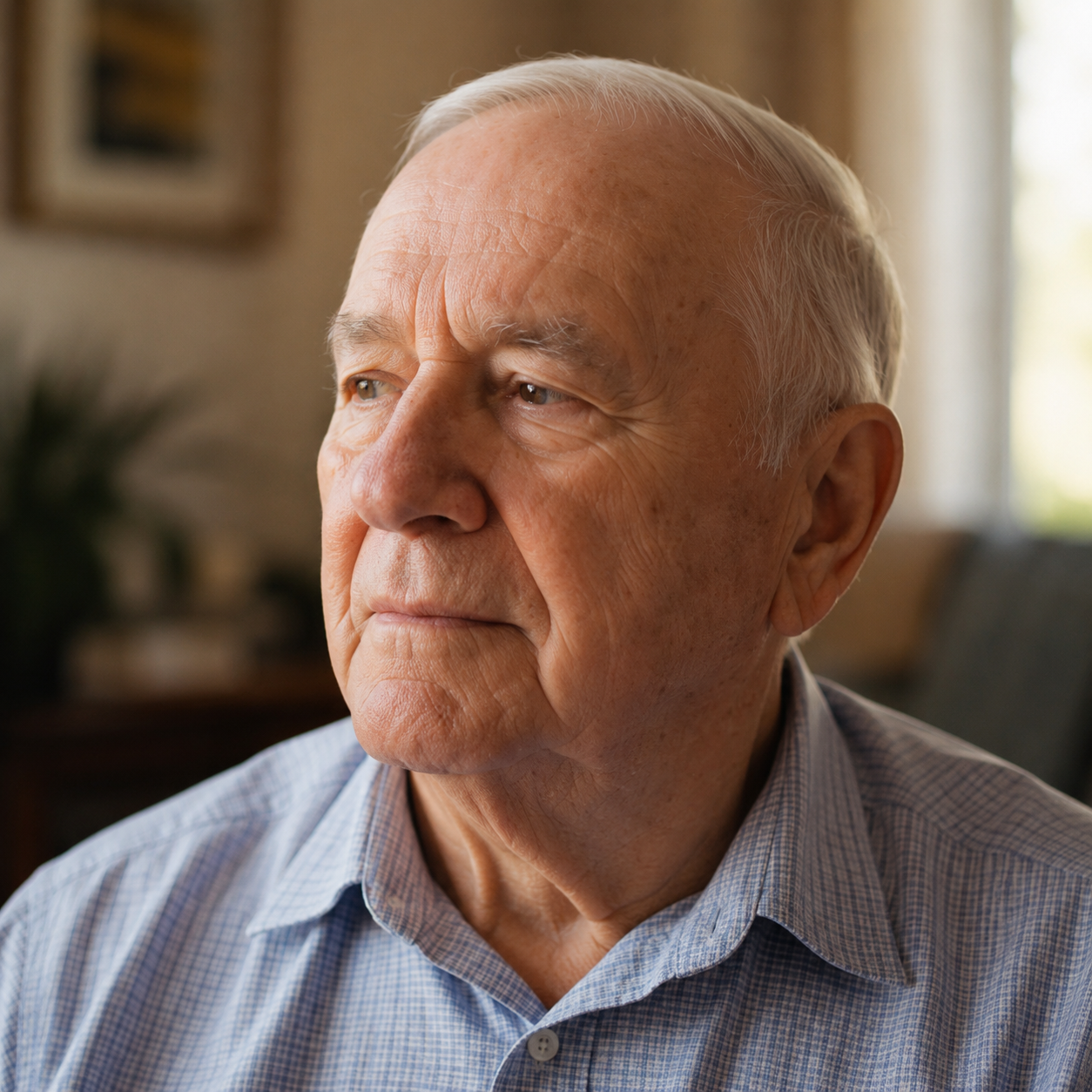
Understanding the emotional effects of stroke begins with recognizing that many of them are neurological, not just psychological. Stroke physically alters the brain. Depending on where the damage occurs, it can directly affect the regions that regulate mood, impulse control, and emotional expression.
This is important for families to understand. When your loved one cries unexpectedly, or snaps at you, or withdraws, or seems like a different person — that may not be a choice. It may be the brain responding to injury. Framing it that way doesn’t make every difficult moment easier to navigate. But it does change how you respond to it.
Post-Stroke Depression: More Than Sadness
Post-stroke depression affects roughly one in three stroke survivors — making it one of the most common complications of stroke, and one of the most undertreated.
It is not simply grief about what has been lost, though that grief is entirely understandable and valid. Post-stroke depression is a clinical condition. It involves persistent low mood, loss of motivation and interest, changes in sleep and appetite, withdrawal from people and activities, and in some cases, thoughts of hopelessness. It can emerge in the days after stroke or develop gradually over weeks and months.
Recognizing the Signs
Signs of post-stroke depression include persistent sadness or emptiness, loss of interest in things your loved one used to enjoy, significant changes in sleep — too much or too little, fatigue that goes beyond the physical demands of recovery, withdrawal from family members and social contact, difficulty making decisions, and a sense that recovery isn’t worth pursuing.
If you notice these signs persisting for more than two weeks, raise them with the medical team. Post-stroke depression responds well to treatment — a combination of medication and psychological support — but it needs to be identified first. Many families hesitate to bring it up, worrying it will be seen as weakness or ingratitude. It won’t be. It’s a medical issue that deserves medical attention.
Post-Stroke Anxiety
Anxiety after stroke is nearly as common as depression, and the two often occur together. The most common fears centre on having another stroke, falling, losing more independence, and becoming a burden to family members.
These fears are not irrational. Another stroke is a genuine possibility, and your loved one knows it.
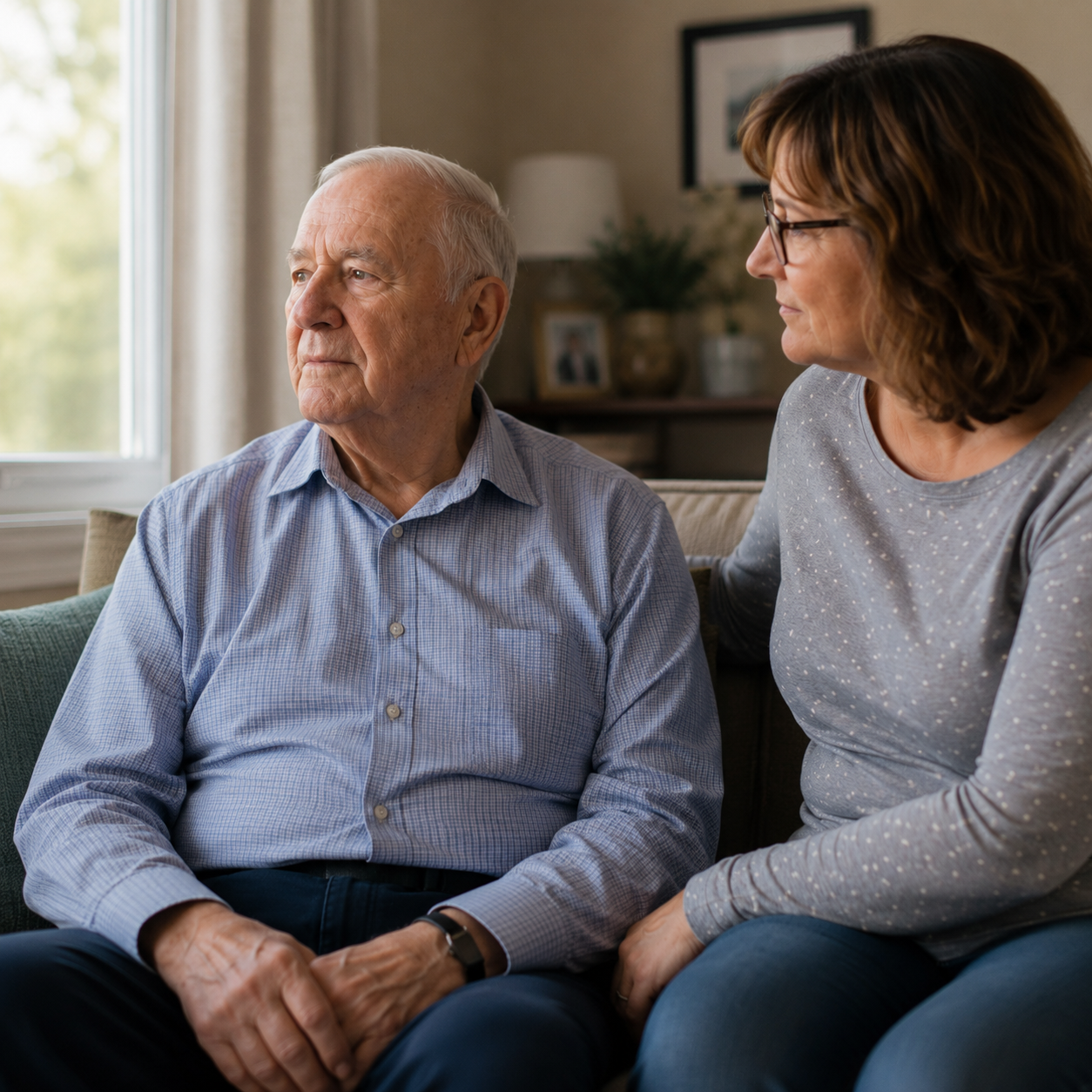
Fear of falling is grounded in real experience. The challenge is when anxiety begins to limit recovery — when your loved one refuses to try physiotherapy exercises for fear of falling, or won’t leave a room independently, or lies awake catastrophizing about the future.
What Helps With Anxiety
Routine and predictability reduce anxiety significantly. A consistent daily schedule gives your loved one a sense of structure and control at a time when much feels uncertain. Gentle, honest reassurance — not dismissive (“you’ll be fine!”) but grounded (“you’re not alone in this”) — communicates safety without minimizing real concerns.
Physical activity, within the limits of recovery, also reduces anxiety. Even a short daily walk or gentle exercises recommended by a physiotherapist can shift mood and reduce fear responses meaningfully over time.
If anxiety is severe or significantly limiting daily function, speak with the medical team about appropriate treatment options.
Emotional Lability: When Emotions Seem Out of Control
One of the most disorienting experiences for families after stroke is something called emotional lability — sudden, uncontrollable episodes of laughing or crying that don’t match the person’s actual emotional state, or that seem wildly out of proportion to what’s happening.
Your loved one may burst into tears during a pleasant conversation. Uncontrollable laughter in a situation that isn’t funny is also common. Both can switch rapidly. The person often feels embarrassed and frustrated by it, even as it’s happening.
Emotional lability occurs when stroke damages the parts of the brain that regulate emotional expression. The person isn’t choosing to react this way. They often feel disconnected from the emotional display — aware that their response doesn’t match the situation but unable to control it.
How to Respond
The most helpful response is calm acknowledgment without making the episode a focus of prolonged attention. A simple “it’s okay, take your time” and a brief pause in the conversation usually allows the episode to pass. Avoid expressing alarm, embarrassment, or frustration — your reaction shapes how safe your loved one feels about these moments happening again.
Over time, many people with emotional lability find that episodes become less frequent and less intense. Medication can help in more severe cases. Let the medical team know if it’s significantly affecting your loved one’s social confidence or willingness to engage with others.
The Isolation Problem
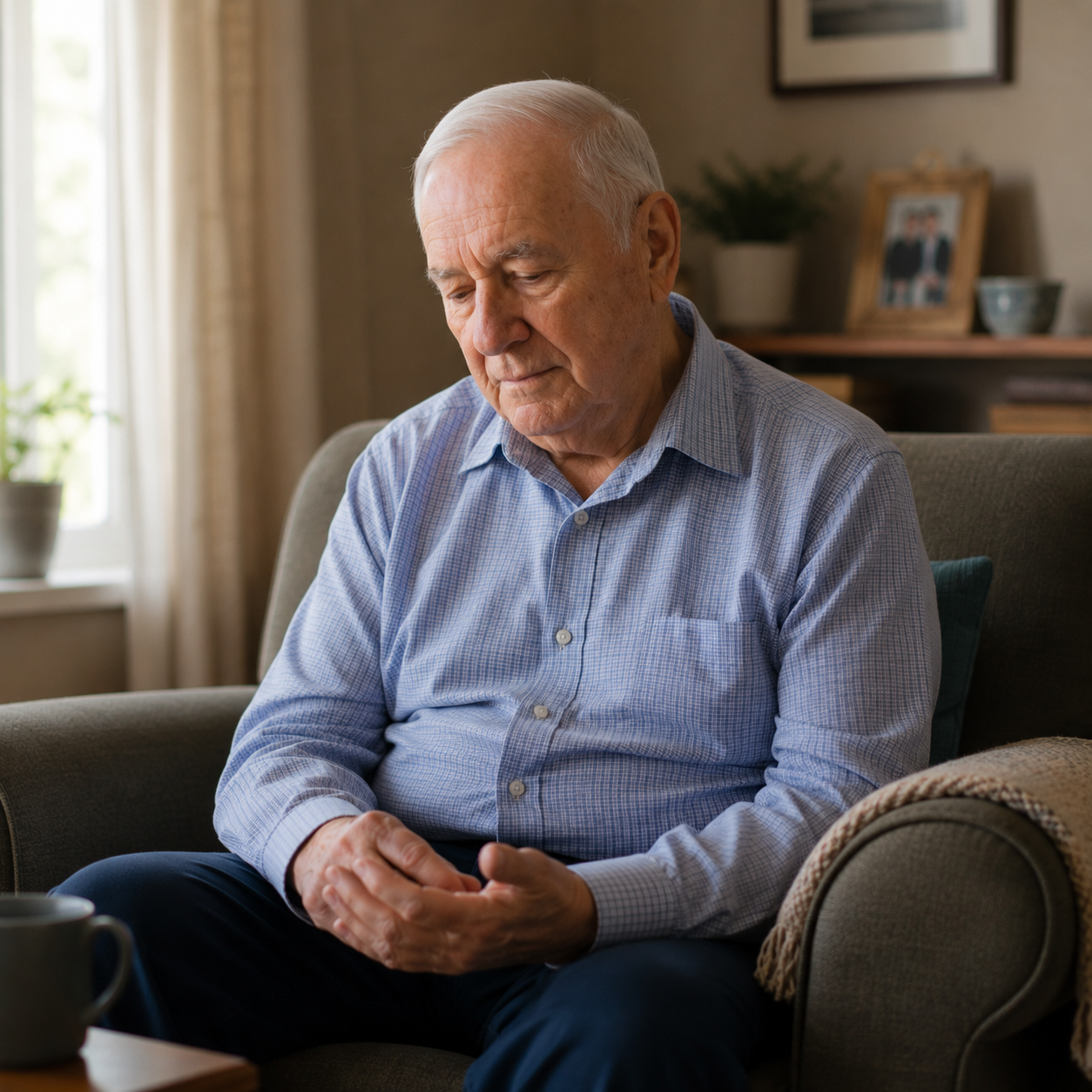
Perhaps the most pervasive emotional challenge after stroke is isolation. It comes from many directions at once.
Aphasia makes conversation harder. Fatigue limits social activity. Mobility challenges restrict where a person can go and who can visit. Embarrassment about changed appearance or function causes people to withdraw from relationships they valued. As recovery extends over months, the initial wave of visitors and community support tends to thin out. The person and their primary caregiver are increasingly left alone with the reality of the situation.
Isolation is not just emotionally painful — it actively slows recovery. Social connection stimulates cognitive function, supports mood regulation, and gives stroke survivors reason and motivation to keep working toward recovery goals.
Keeping Connection Alive
Maintaining social connection after stroke requires intentional effort from the people around the survivor. Regular visits from family and friends — even brief ones — matter more than their length. Phone and video calls count too, particularly for people with limited mobility.
Activities that don’t rely on verbal communication — listening to music together, watching a favourite television program, looking through photo albums, playing cards or board games — keep connection alive even when aphasia makes conversation difficult.
This is one of the most meaningful ways companion care supports stroke recovery. A consistent, warm companion who visits regularly provides social engagement, cognitive stimulation, and the simple but profound experience of having someone to be with. Our companion caregivers at Ideal Caregivers 4U work with post-stroke clients across Ottawa, Kingston, and the Greater Toronto Area — matched to clients based on personality and shared interests, not just availability. To learn more, visit idealcaregivers4u.com/services/ or call 1-866-372-0603.
Supporting Your Loved One’s Emotional Recovery: Practical Guidance
Beyond addressing specific conditions like depression and anxiety, families can take an active role in creating an environment that supports emotional recovery every day.
Lead With Presence Over Problem-Solving
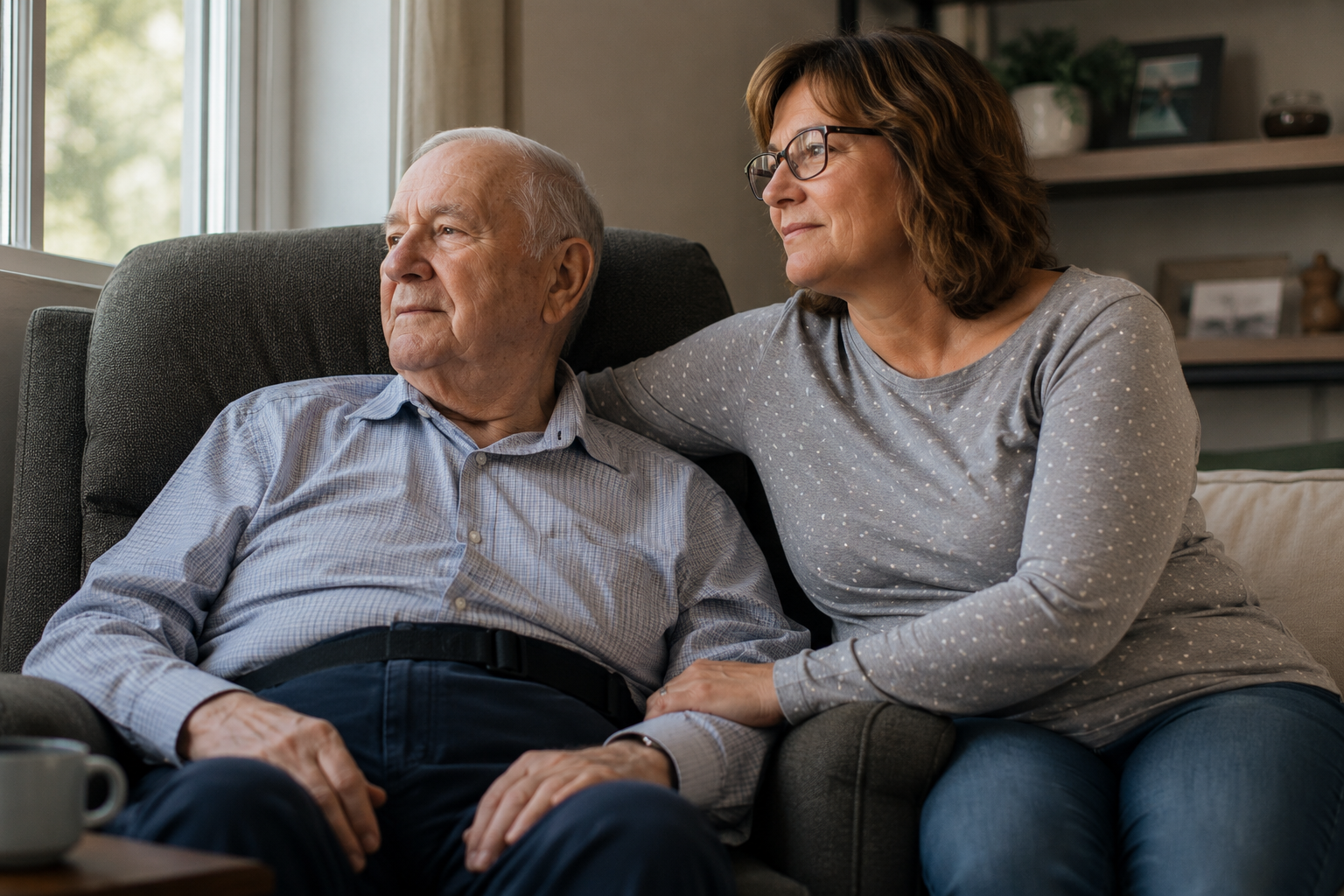
Family members often respond to a loved one’s distress by immediately trying to fix something. Sometimes what your loved one needs most is simply for someone to sit with them in the difficulty — not to solve it, but to witness it. Presence is powerful. Don’t underestimate how much it means to simply be there.
Follow Their Lead on Pace
Recovery milestones matter, but pushing your loved one to progress faster than they’re ready to can deepen anxiety and damage confidence. Celebrate what they can do today, without measuring it constantly against what they used to do. Progress in stroke recovery is rarely linear — there will be good days and hard days, and both are part of the process.
Protect Their Dignity
Much of stroke recovery involves accepting help with things that were previously private and independent — bathing, dressing, eating, using the bathroom. These losses are real, and they hurt. Approaching personal care with sensitivity, privacy, and respect for your loved one’s preferences goes a long way toward preserving the sense of dignity that emotional recovery depends on.
Keep Talking About the Future
One of the most damaging aspects of post-stroke depression is the sense that the future has closed. Small, concrete references to future plans — next week, next month, next season — signal that life continues and that there are things still worth anticipating. These don’t need to be grand gestures. A mention of a favourite television show returning next month, or a plan to sit outside when the weather improves, is enough.
For the Caregiver: Your Emotional Recovery Matters Too
Everything in this post applies to you as well.
Caregiver grief is real. Mourning the person your loved one was before the stroke — the relationship you had, the plans you shared, the future you envisioned together — is a legitimate and painful experience. Guilt about feeling resentful, and resentment about feeling guilty, often arrive together. Fear about what comes next is natural. And through all of it, nobody may be checking in on how you’re doing.
Your emotional well-being is not separate from your caregiving. It is the foundation of it. A caregiver carrying depression, anxiety, or deep grief cannot sustain the quality of presence their loved one needs.
Make Space for Your Own Recovery
Respite care gives you the space to step back, rest, and tend to your own emotional needs. It’s not an indulgence — it’s a necessity. Our respite care services across Ottawa, Kingston, and the Greater Toronto Area provide reliable, compassionate coverage. That coverage gives you the breaks that make continued caregiving sustainable.
For a complete guide to post-stroke caregiving — covering communication, mealtimes, home safety, and everything in between — download our free booklet: Caring for a Loved One After Stroke: A Family Caregiver’s Guide to Communication, Meals, and Daily Safety. It’s a resource designed for the whole family, to come back to throughout the recovery journey.
Frequently Asked Questions
Is depression common after stroke? Yes — post-stroke depression affects approximately one in three stroke survivors, making it one of the most common complications of stroke. It is a clinical condition distinct from normal grief or sadness, involving persistent low mood, loss of motivation, withdrawal, and changes in sleep and appetite. Post-stroke depression responds well to treatment, including medication and psychological support, but requires identification first. If you notice signs of depression in a loved one recovering from stroke, raise them with the medical team. Families in Ottawa, Mississauga, Kingston, Markham, Pickering, Ajax, Oshawa, and Whitby can speak with their family physician or the stroke rehabilitation team for a referral to appropriate support.
What is emotional lability after stroke? Emotional lability is a condition where stroke survivors experience sudden, uncontrollable episodes of laughing or crying that may not match their actual emotional state. It occurs when stroke damages the brain regions that regulate emotional expression. The person is typically aware that their response doesn’t fit the situation but cannot control it. Calm, matter-of-fact responses from family members help reduce the distress associated with these episodes. Medication can help in severe cases. Emotional lability often improves over time as the brain heals.
How can I help a stroke survivor who seems withdrawn and isolated? Consistent, low-pressure social contact matters most — regular visits, phone or video calls, and activities that don’t depend entirely on verbal communication, such as music, television, card games, or looking through photos together. Avoid forcing social interaction when your loved one isn’t ready, but don’t stop offering it. Companion care is a valuable support for stroke survivors experiencing isolation, providing regular, warm social engagement and cognitive stimulation. Ideal Caregivers 4U provides companion care for post-stroke clients across Ottawa, Mississauga, Kingston, Markham, Pickering, Ajax, Oshawa, and Whitby. Call 1-866-372-0603 to learn more.
How do I support a stroke survivor’s emotional recovery without burning myself out? The most important step is recognizing that your own emotional wellbeing directly affects your caregiving. Accept help from others, protect some time for yourself each week, and consider respite care — professional temporary care coverage that gives you the space to rest and recover. Connect with other caregivers through peer support groups if possible. If you’re experiencing persistent depression, anxiety, or grief yourself, speak with your family physician. Ideal Caregivers 4U provides respite care for family caregivers across Ottawa, Mississauga, Kingston, Markham, Pickering, Ajax, Oshawa, and Whitby.
When should I seek professional help for emotional changes after stroke? Seek professional help when signs of depression or anxiety persist for more than two weeks, when your loved one refuses activities or therapy due to fear or hopelessness, when emotional lability is severely affecting social confidence or daily function, or when you, as a caregiver, are struggling significantly with your own emotional well-being. The medical team — including the family physician and stroke rehabilitation specialists — can assess the situation and recommend appropriate support, which may include medication, counselling, or peer support programs. Don’t wait for a crisis to ask for help.
Every family’s situation is unique, but no one should have to navigate senior care alone. Ideal Caregivers 4U provides personalized, non-medical in-home support that helps seniors remain safe, comfortable, and independent at home while giving families true peace of mind.
Learn how we can help by clicking the link below or calling us at
1-866-372-0603