

Most families don’t start thinking about home modifications for seniors until something happens. A near-miss on the stairs. A fall in the bathroom. A moment that makes everyone realize the home hasn’t kept pace with the person living in it.
That reactive approach is understandable — but it’s also avoidable. The right time to talk about home modifications is before a crisis forces the conversation. And knowing what to look for makes that conversation much easier to start.
This week we’re walking through the signs that a home needs attention, the modifications that make the biggest difference, and how to approach the topic with a loved one who may not be ready to hear it.
Why Home Modifications Matter
Most Canadian seniors want to age at home. That preference is consistent, clear, and completely reasonable. But the homes they’ve lived in for decades weren’t designed with aging in mind.
Standard door widths, round door handles, bathtubs, high shelves, and low seating all create friction — and risk — that increases as mobility, strength, and balance change over time. Home modifications for seniors bridge that gap. They extend independence, reduce fall risk, and make daily life genuinely safer without requiring a move.
As the Canada Mortgage and Housing Corporation notes, thoughtful home adaptations allow seniors to remain in their homes longer — which is better for their wellbeing and often more cost-effective than facility care.
The question isn’t whether modifications are worthwhile. It’s knowing when the time has come.
Signs It’s Time to Consider Home Modifications
Mobility has changed A new diagnosis, a recovery from surgery, or the gradual progression of arthritis, Parkinson’s, or another condition — any change in how your loved one moves through their home deserves a fresh look at the environment around them.
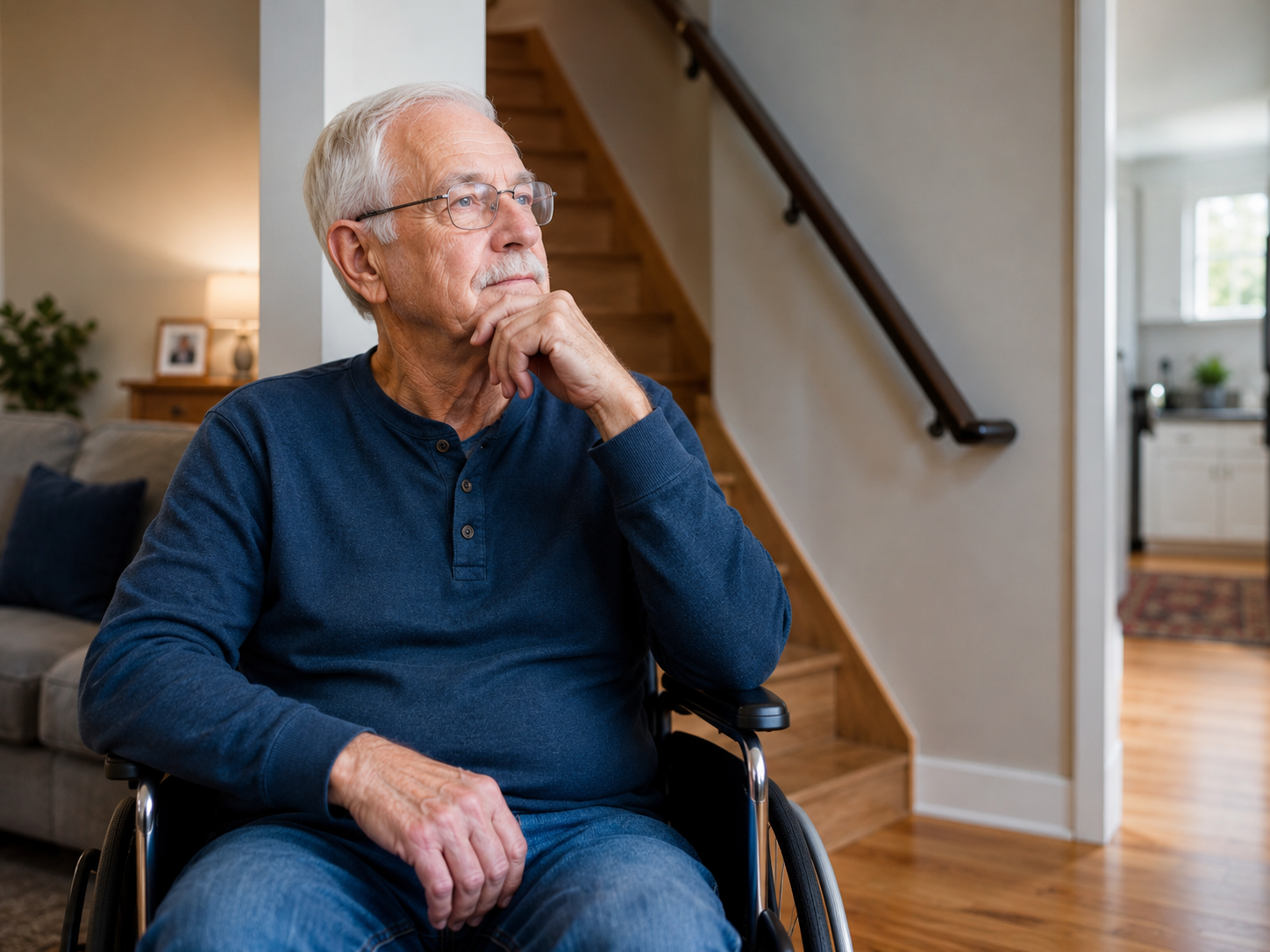
They’re avoiding certain areas of the home If your loved one has stopped using the upstairs bathroom, avoids the basement, or rarely goes outside because of the steps, the home is already limiting their life. That’s a clear signal.
You’ve noticed hesitation or extra caution Gripping walls for support. Taking the stairs slowly with both hands. Pausing before getting up from a chair. These behaviours signal that your loved one already feels unsafe — even if they haven’t said so.
There’s been a fall or near-miss A fall is always a reason to reassess the home environment immediately. Even a near-miss deserves a serious look. As we explored in our blog on the most overlooked fall hazards for seniors at home, falls rarely happen for one reason — and the environment almost always plays a role.
Daily tasks are becoming harder Difficulty getting in and out of the bath, trouble rising from low seating, or struggling with round door handles are all practical signs that the home needs adapting.
The Most Impactful Home Modifications for Seniors
Not every modification carries equal weight. These are the changes that make the most meaningful difference to daily safety and independence.
Bathroom Modifications The bathroom is the highest-priority room in any home modification plan. Key changes include grab bars beside the toilet and inside the shower, a walk-in shower or roll-in shower replacing a bathtub, a comfort-height toilet or raised toilet seat, a shower bench or fold-down shower seat, and non-slip flooring or mats throughout.
These changes address the room where falls are most likely to occur — and where the consequences are most serious.
Entrance and Doorway Modifications Getting in and out of the home safely matters as much as what happens inside. Consider a no-step or low-step entrance with a handrail on both sides, a ramp where steps present a barrier, wider doorways if a walker or wheelchair is in use, lever-style door handles replacing round knobs, and adequate exterior lighting with motion sensors.
More Key Modifications Worth Considering
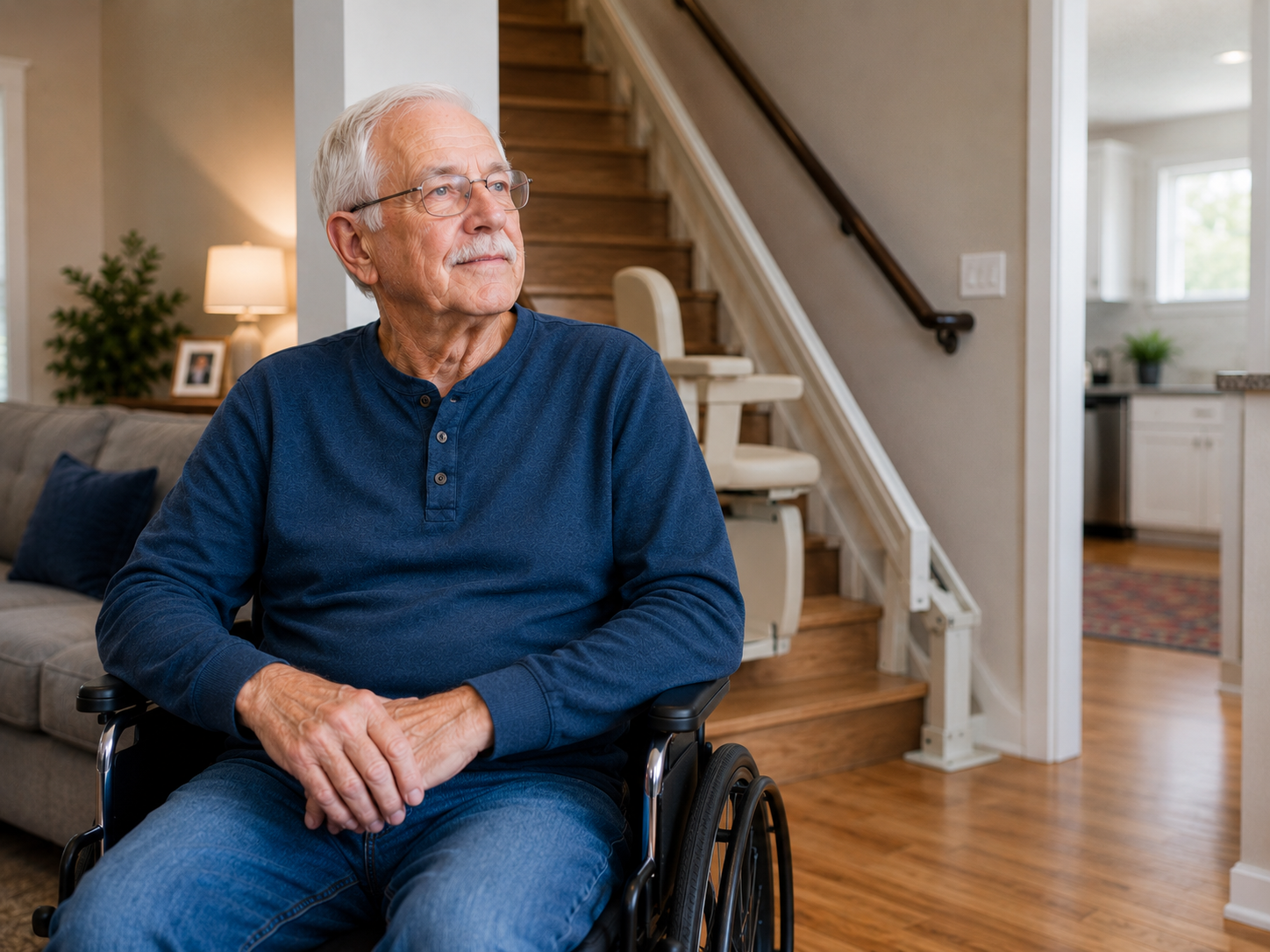
Staircase and Level Changes Stairs are among the most significant hazards in a senior’s home. Secure handrails on both sides of every staircase, non-slip stair treads, and improved stair lighting all reduce risk significantly. For some seniors, relocating the bedroom and primary bathroom to the main floor removes the need to use stairs daily — a more substantial change, but one that extends independence considerably.
Kitchen Modifications Reorganizing frequently used items between hip and shoulder height removes the need to reach overhead or bend low. Pull-out shelves and drawers improve accessibility in lower cabinets. A lever-style faucet is easier to operate with limited hand strength. Anti-fatigue mats with non-slip backing reduce standing discomfort and fall risk simultaneously.
Lighting Throughout the Home Older adults need significantly more light than younger people to see clearly. Improve lighting in every room — particularly hallways, stairwells, and the path to the bathroom. Motion-activated nightlights eliminate the need to fumble for switches during nighttime trips. Smart bulbs that can be controlled by voice or phone reduce the need to navigate to wall switches at all.
Smart Home Technology Voice-activated devices, video doorbells, medical alert systems, and remote monitoring tools all extend a senior’s ability to live independently and safely. These tools also give families peace of mind — and an early warning system when something is wrong.
How to Have the Conversation
Focus on what modifications enable rather than what they prevent. A grab bar isn’t an admission of weakness — it’s what makes it possible to stay in the home they love for years to come.
Start small. One change at a time feels manageable. An overwhelming list of modifications feels like an accusation.
Getting a Professional Assessment
Families often underestimate what a professional eye can catch. A senior home safety assessment looks at your loved one’s specific home, mobility, and daily routines — not a generic checklist.
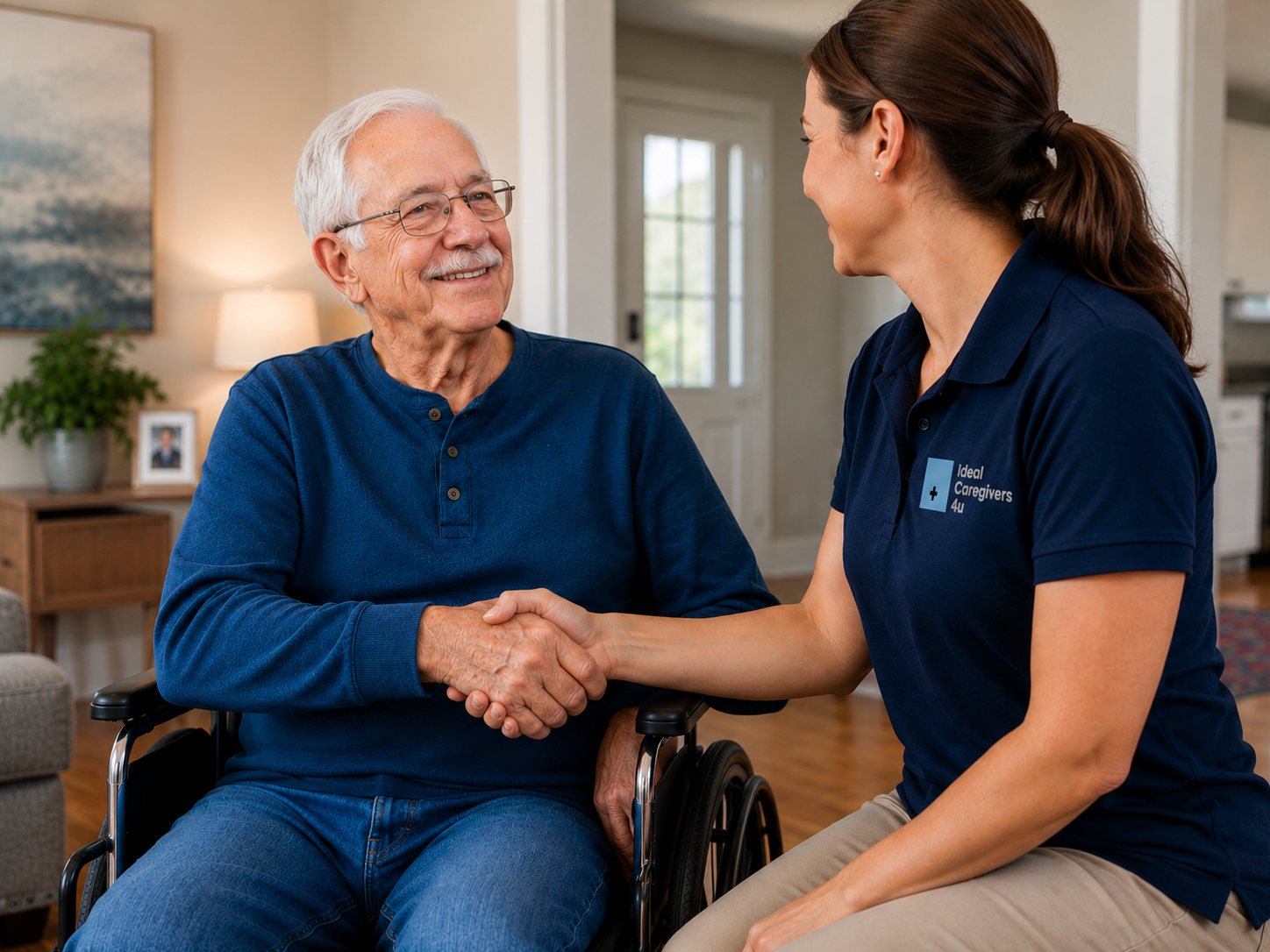
Our team at Ideal Caregivers 4U provides senior home safety assessments for families in Ottawa, Kingston, and the Greater Toronto Area. We identify the modifications that will make the most meaningful difference for your loved one specifically — and help you prioritize where to start.
For a broader look at home safety fundamentals alongside the four pillars of senior wellness, download our Complete Guide to Helping Your Senior Loved One Thrive at Home — a practical resource for families navigating these decisions.
Our companion caregivers also play an important role after modifications are made — providing consistent in-home support that keeps seniors safe, engaged, and connected to their daily routines.
Taking the Next Step
Home modifications for seniors don’t have to be overwhelming. The right approach starts with identifying the highest-risk areas, making targeted changes, and building from there.
If you’re not sure where to start — or if you’d like a professional assessment of your loved one’s home — we’re here to help.
📞 Call us at 1-866-372-0603 or visit idealcaregivers4u.com/services to learn how we support seniors and their families across Ottawa, Mississauga, Edmonton, Markham, Pickering-Ajax, Oshawa-Whitby, and Kingston.
Frequently Asked Questions
What are the most important home modifications for seniors aging in place? The highest-impact home modifications for seniors include bathroom grab bars, a walk-in shower, comfort-height toilet, improved lighting throughout the home, handrails on both sides of staircases, non-slip flooring, lever-style door handles, and reorganizing kitchen storage between hip and shoulder height. A professional home safety assessment identifies which changes are most urgent for a specific senior’s home and mobility needs.
When should families start thinking about home modifications for an aging parent? The best time to consider home modifications is before a fall or health crisis — ideally when you first notice changes in mobility, increased caution when moving through the home, or avoidance of certain rooms or areas. Proactive modifications extend independence and prevent injuries. Reactive modifications after a fall are more costly and less effective.
How do home modifications help seniors maintain independence? Home modifications reduce the physical barriers and fall risks that force seniors into care facilities or hospital stays earlier than necessary. By adapting the home to changing mobility and strength, seniors can continue performing daily tasks safely and confidently. The Canada Mortgage and Housing Corporation supports home adaptation as a key strategy for aging in place successfully.
How do I talk to my parent about making changes to their home? Frame modifications around enabling independence rather than limiting it. Lead with the home rather than your concerns about the person — “I’ve been reading about changes that help seniors stay in their homes longer” opens the conversation more productively than expressing worry about safety. Start with one small change rather than a comprehensive list, and involve your loved one in every decision.
Does Ideal Caregivers 4U offer home safety assessments for seniors? Yes. We provide professional senior home safety assessments for families in Ottawa, Mississauga, Edmonton, Markham, Pickering-Ajax, Oshawa-Whitby, and Kingston. Our team identifies the specific home modifications that will make the most meaningful difference for your loved one’s safety and independence. Call us at 1-866-372-0603 or visit idealcaregivers4u.com/services/ to get started.