
So far this month, we’ve talked about rebuilding routine and anchoring the day. But there’s one anchor that tends to slip more quietly than the rest. It may be the most important of all: connection.
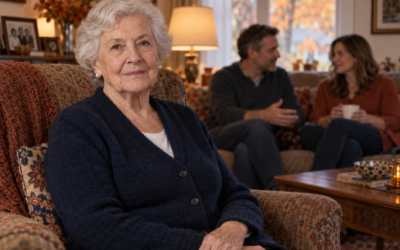
All summer, a senior loved one may have had a steady stream of company. Maybe a grandchild dropping by, an adult child with more free time, or a neighbour stopping in. Then September arrives. Everyone’s calendar fills at once, and the visits thin out almost without anyone noticing. Within a few weeks, the picture changes. A person who felt surrounded by family in August can suddenly face long, quiet stretches alone. Protecting senior social connection through this shift is one of the most meaningful things a family can do.
How Isolation Quietly Creeps In
Isolation rarely announces itself. There’s no single dramatic moment. Just a few unanswered afternoons, a quieter phone, a calendar with growing gaps. Because it happens gradually, it’s easy to miss. Everyone genuinely is busier. Before long, your loved one has been on their own far more than anyone intended.
That slow creep is exactly why fall calls for a little extra intention. Connection is the first thing likely to fade. When you know that, you can plan around it before the gaps open up.

Connection Is a Health Priority, Not a Nice Extra
It’s tempting to treat social time as a pleasant bonus, once the “real” needs are met. But research tells a different story. Loneliness isn’t only hard on the heart. It’s linked to poorer physical health, low mood, and faster cognitive decline in older adults. Staying socially engaged genuinely helps protect wellbeing.
Organizations dedicated to older Canadians, like CARP, highlight just how central connection is to aging well. In other words, keeping your loved one connected this fall isn’t a luxury — it’s care.
What Families Can Do to Keep Connection Strong
You don’t need to be everywhere at once. A few deliberate habits will keep your loved one connected even through the busiest weeks.
Put Connection on the Calendar
The surest way for connection to slip is to leave it to “whenever I get a chance.” Treat it like any other commitment. Schedule recurring calls and visits, and put them on the calendar. A standing Sunday call or Wednesday visit gives your loved one something reliable to look forward to.
Spread the Contact Around
Connection shouldn’t rest on one person’s shoulders. Rotate calls and visits among siblings, grandchildren, and friends. That way no single week goes empty — and no one family member burns out. A simple shared calendar or group chat makes coordinating easy.
Tap Into the Community
Community connection doesn’t depend on family availability at all. A seniors’ centre program, a faith community, or a local group all add valuable social time. Services like the Canadian Red Cross also offer community support and friendly-contact programs in many areas. And for steady, in-person companionship, our companionship care provides a caregiver who visits for conversation, shared activities, or a friendly walk. It’s a warm, reliable presence your loved one can count on through the busiest weeks.
A Free Guide to Keeping Connection Strong
Connection is one of six areas covered in our September cornerstone guide, “Rebuilding Routine: Supporting Your Senior Loved One as Life Speeds Back Up.“ It offers practical ways to keep your loved one engaged, spot the warning signs of isolation, and build a support network that holds through a busy fall.

Frequently Asked Questions
Why are seniors more at risk of isolation in the fall? As summer ends, families return to busy school and work schedules, and the frequent visits and company of summer tend to fade. That gradual drop in contact can leave a senior alone far more than anyone intended.
How does isolation affect a senior’s health? Loneliness is linked to poorer physical health, low mood, and faster cognitive decline in older adults. Staying socially connected helps protect both mental and physical wellbeing, which makes connection a genuine health priority.
Where does Ideal Caregivers 4U provide companionship care? We offer companionship care, personal care, meal preparation, and respite across Ottawa, Mississauga, Edmonton, Markham, Pickering-Ajax, and Oshawa-Whitby.
Every family’s situation is unique, but no one should have to navigate senior care alone. Ideal Caregivers 4U provides personalized, non-medical in-home support that helps seniors remain safe, comfortable, and independent at home while giving families true peace of mind.
Learn how we can help by calling 1-866-372-0603 or clicking the link below: