

Living at home with Parkinson’s is entirely possible with the right environment and support in place. Parkinson’s home safety is one of the most important areas families focus on as the condition progresses. Small adjustments to the home can significantly reduce the risk of falls, injuries, and daily hazards while helping your loved one feel more confident and comfortable.
Parkinson’s affects movement, balance, and coordination in ways that change over time. What feels safe today may need to be reassessed next month. That is why a proactive approach to home safety for Parkinson’s matters more than reacting to problems after they occur.
Whether you are caring for a parent, spouse, or another family member, understanding where risks exist and how to address them gives everyone greater peace of mind. With professional in-home care in Ottawa and the Greater Toronto Area, families have access to caregivers who understand how to create a safer, more supportive home environment.
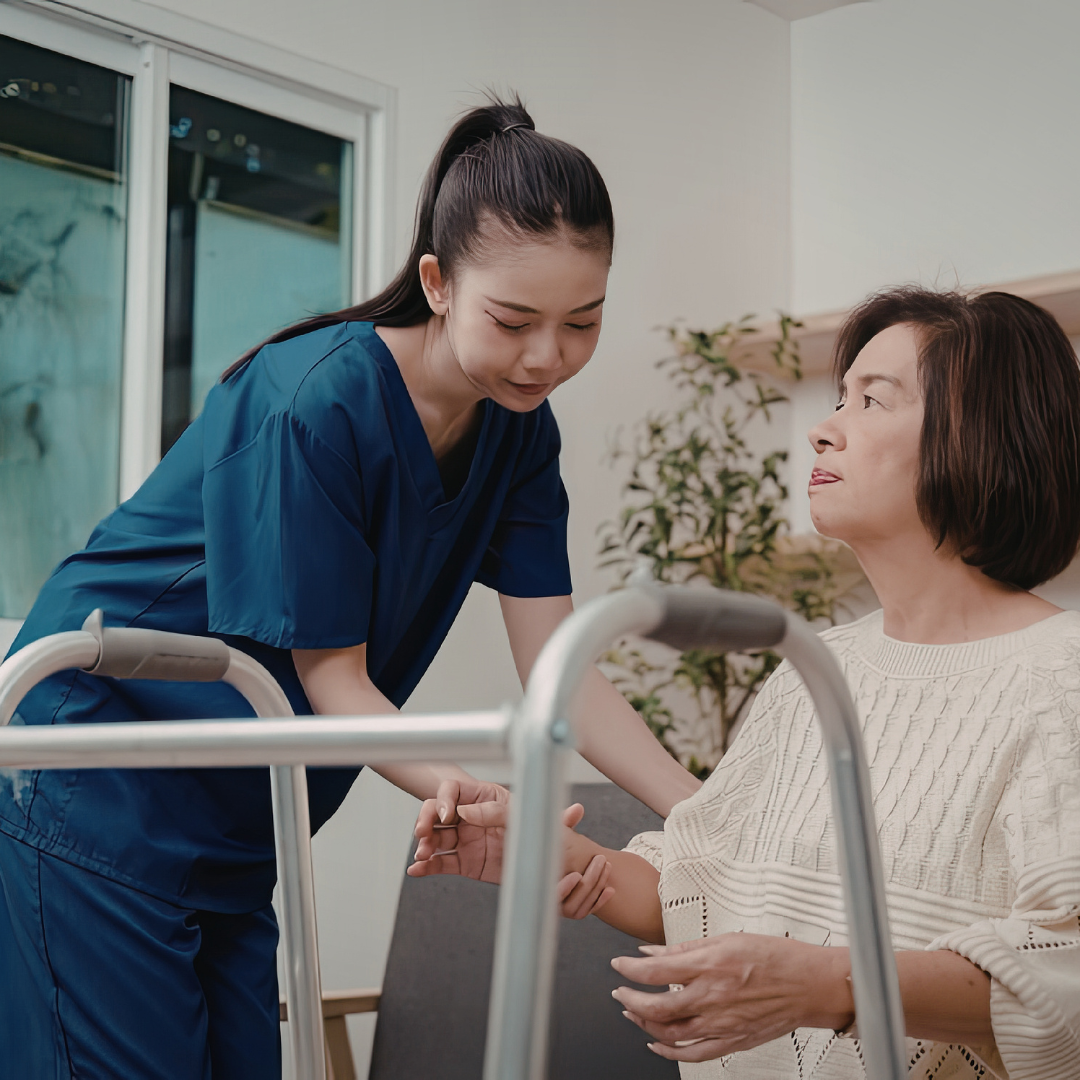
Understanding Safety Risks for People Living with Parkinson’s
Parkinson’s disease affects the nervous system in ways that go beyond tremors. Changes in gait, muscle rigidity, slowed reflexes, and episodes of freezing all create real safety challenges at home. For families providing elderly care at home, understanding these risks is the first step toward preventing them.
Falls are among the most common and serious concerns. People with Parkinson’s often have a shuffling gait and reduced ability to catch themselves, making even a small trip hazard a genuine danger. Medication side effects, low blood pressure when standing, and nighttime disorientation add further layers of complexity.
Professionals offering home care services for seniors are trained to identify and respond to these specific risks, adapting their approach as the individual’s needs evolve.
Key Areas of the Home to Address for Parkinson’s Safety
Every room presents different challenges. A room-by-room approach to home safety helps ensure nothing is overlooked.
1. Bathroom Safety
The bathroom is one of the highest-risk areas for falls. Wet surfaces, confined spaces, and the need to transfer between positions create significant challenges.
Practical steps:
- Install grab bars beside the toilet and inside the shower or bath
- Use a shower chair or bench to reduce the need to stand for extended periods
- Place non-slip mats on all wet surfaces
- Consider a handheld showerhead for easier bathing
- Ensure the bathroom is well-lit, including overnight
Personal care support from Ideal Caregivers 4U includes safe assistance with bathing and hygiene routines, reducing the risk of falls while preserving dignity.
2. Bedroom Safety
Nighttime is a particularly vulnerable time for people with Parkinson’s. Disorientation upon waking and the urgency to use the bathroom can lead to rushed, unsteady movement.
Practical steps:
- Use a hospital-style bed rail or bed assist handle for safer transfers
- Keep a nightlight on or use motion-activated lighting between the bedroom and bathroom
- Remove loose rugs or ensure they are secured with non-slip backing
- Position frequently needed items within easy reach to avoid unnecessary reaching or bending
- Place the bed at a height that makes standing up easier without strain
3. Living Areas and Hallways
Open living spaces and hallways need to allow for easy movement, especially for those using a walker or cane.
Practical steps:
- Remove or secure loose rugs and runners throughout the home
- Keep pathways clear of furniture, cords, and clutter
- Rearrange furniture to create wider, more navigable paths
- Ensure all areas are well-lit, especially during evening hours
- Consider contrasting colours on step edges or changes in floor level to improve visibility
Mobility support is a core part of what in-home caregivers provide. Having a trained caregiver present during movement around the home significantly reduces fall risk.
4. Kitchen Safety
Tremors and reduced grip strength make the kitchen a challenging space. Hot surfaces, sharp utensils, and the complexity of preparing meals all require thoughtful adjustments.
Practical steps:
- Store frequently used items at counter height to reduce reaching and bending
- Use lightweight cookware and utensils with easy-grip handles
- Consider an induction cooktop, which turns off automatically
- Keep a stool nearby for resting while preparing food
- Arrange the kitchen to minimise back-and-forth movement
Meal preparation support through Ideal Caregivers 4U ensures that nutritious meals are prepared safely. Caregivers take on the physical demands of cooking while respecting the individual’s preferences and routines.
Medication Management and Safety
Parkinson’s medications are time-sensitive. Missing a dose or taking medications at the wrong time can affect motor function significantly, increasing the risk of falls and freezing episodes. Medication reminders are one of the most practical safety supports available at home.
Caregivers from Ideal Caregivers 4U provide consistent medication reminders as part of their care routines. This helps ensure medications are taken on schedule, reducing preventable fluctuations in symptom control.

Practical steps:
- Use a clearly labelled weekly pill organiser
- Set alarms or reminders on a phone or smart speaker
- Keep a current medication list accessible in case of emergency
- Review medications regularly with the prescribing physician to watch for interactions or side effects that affect balance
Managing Freezing Episodes Safely
Freezing — where a person with Parkinson’s feels suddenly unable to move — is a common and potentially dangerous symptom. It most often occurs when starting to walk, turning, or approaching a doorway. Understanding how to manage these episodes is an important part of Parkinson’s home safety.
Practical steps:
- Use visual cues such as floor strips or markers to encourage stepping
- Encourage rhythmic counting or music to help restart movement
- Widen doorways or remove doors where possible to reduce triggering environments
- Avoid rushing, which can increase anxiety and worsen freezing
- Ensure caregivers and family members know how to respond calmly and helpfully
A caregiver with experience in Parkinson’s care at home understands how to respond to freezing episodes with patience and the right physical guidance, reducing the risk of falls in those moments.
Emergency Preparedness and Communication
Having a clear plan for emergencies gives families confidence and reduces panic in difficult moments.
Practical steps:
- Ensure the individual has access to a personal alert device or medical alert system
- Post emergency contact numbers in a visible location
- Keep a copy of current medications and medical history accessible
- Make sure at least one family member, neighbour, or caregiver can be reached quickly
- Conduct periodic check-ins to verify that safety measures are still working well

The Role of Respite Care in Long-Term Safety
Family caregivers carry a tremendous amount of responsibility. Fatigue affects judgement and response time, which can inadvertently compromise the safety of the person being cared for. Respite care allows family members to take a break, knowing their loved one is in capable, professional hands.
Regular respite support from Ideal Caregivers 4U means a trained caregiver steps in with the same attention to safety and routine that families have established. This continuity is especially important for people with Parkinson’s, who rely on consistency to feel settled and secure.
Frequently Asked Questions About Parkinson’s Home Safety
What are the biggest safety risks at home for someone with Parkinson’s?
Falls are the most significant concern, often caused by balance changes, freezing episodes, and postural instability. Environmental hazards such as loose rugs, poor lighting, and cluttered pathways increase this risk. Medication timing also plays an important role in managing symptom control and reducing unsafe moments.
How can I make the bathroom safer for a family member with Parkinson’s?
Install grab bars near the toilet and in the shower, use a shower chair, place non-slip mats on all wet surfaces, and ensure the bathroom is well-lit at all hours. A caregiver can also provide hands-on assistance with bathing safely.
How do medication reminders support Parkinson’s safety at home?
Parkinson’s medications must be taken on a consistent schedule to maintain stable motor function. Missing or delaying doses can trigger significant symptom changes that increase fall risk. Caregiver-provided medication reminders help ensure this consistency throughout the day.
What is freezing in Parkinson’s and how should caregivers respond?
Freezing refers to a temporary inability to initiate or continue movement. Caregivers can help by offering calm verbal encouragement, using visual cues on the floor, or guiding the person to shift their weight to restart movement. Rushing or startling someone during a freeze can increase fall risk. For more detail, Parkinson’s Canada offers helpful resources for families and caregivers.
Does Ideal Caregivers 4U provide Parkinson’s care at home in Ottawa?
Yes. Ideal Caregivers 4U provides personalised in-home care for individuals living with Parkinson’s in Ottawa. Services include personal care, mobility support, meal preparation, medication reminders, and respite care, all tailored to the individual’s needs and current stage of the condition.
Conclusion
A safer home environment does not happen all at once. It is built through small, consistent changes that respond to how Parkinson’s is affecting someone’s daily life. By addressing the most common risk areas, maintaining a reliable medication routine, and having professional support in place, families can help their loved one live more comfortably and confidently at home.
In the context of Parkinson’s home safety, every thoughtful adjustment matters. With the right care team and environment, the home can remain a place of comfort, familiarity, and genuine independence.
Learn More About Parkinson’s Care at Home
Creating a safe home environment is just one part of the bigger picture.
👉 For a complete guide to supporting a loved one with Parkinson’s at home, read our The Ultimate Guide to Parkinson’s Care at Home
Ready to Create a Safer Home for Your Loved One?
Ideal Caregivers 4U supports families across Ottawa, Kingston, and the Greater Toronto Area with personalized in-home care that prioritizes safety, dignity, and quality of life. Our caregivers are experienced in Parkinson’s care and work closely with families to build routines that reduce risk and support independence.
Book your free consultation today.
1-866-372-0603