Your home was designed for a different version of life. The rugs, the bathroom setup, the staircase, the lighting — none of it had stroke recovery in mind. And now that your loved one is home, those everyday features can become real hazards.
Falls are one of the most serious risks for stroke survivors. Weakness on one side, balance problems, fatigue, and slower reaction times all increase the chance of a fall significantly. And a fall during recovery doesn’t just cause injury — it can set back rehabilitation by weeks or months.
The good news is that most home hazards are fixable. You don’t need a major renovation. You need a clear-eyed look at the home through a new lens, and the willingness to make some practical changes. Parachute Canada offers excellent evidence-based resources on fall prevention for older adults that families will find helpful alongside this guide.
This post walks you through the areas of the home that matter most — room by room — so you know exactly what to look for and what to do about it.
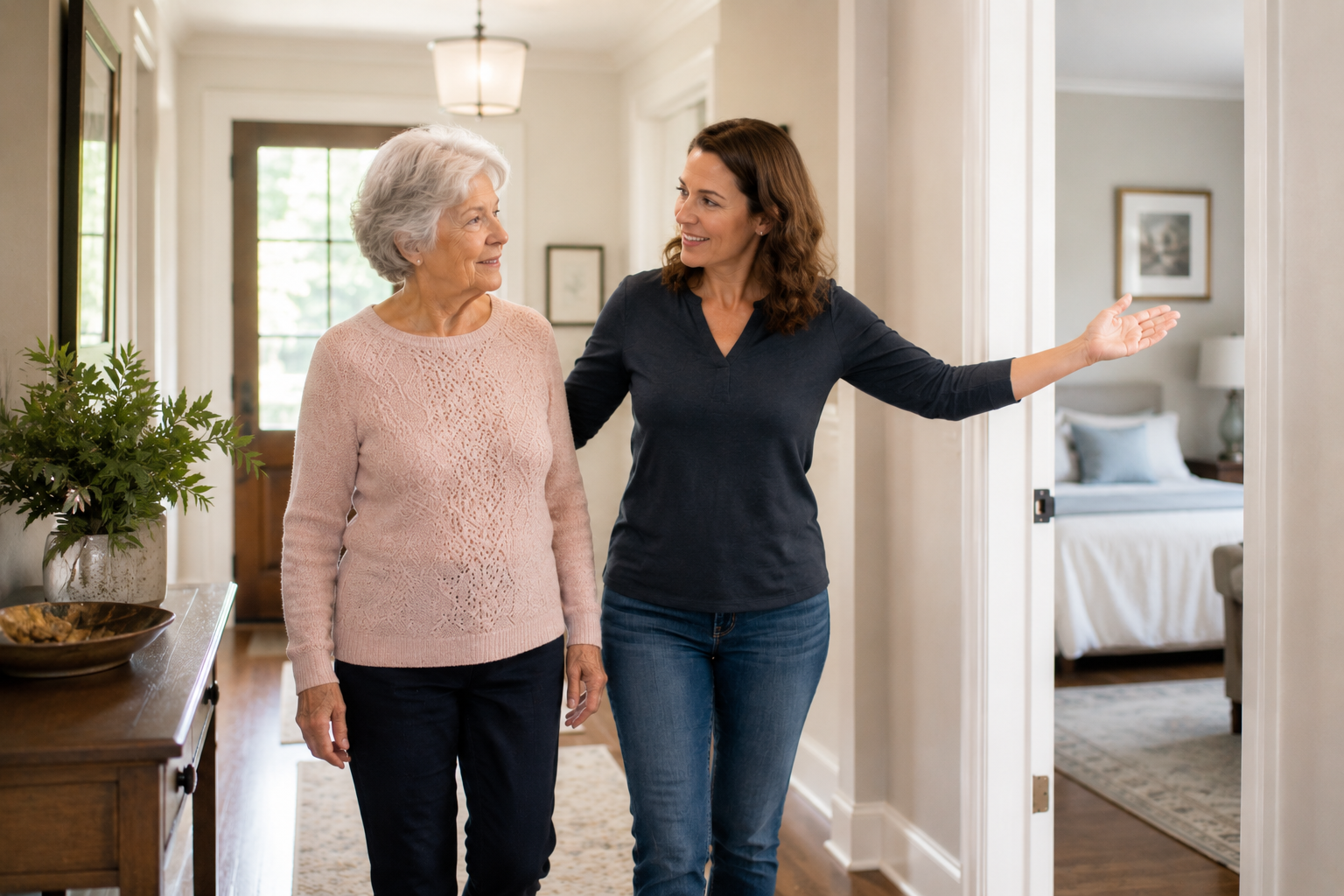
Start With the Bathroom
The bathroom is the highest-risk room in the home for stroke survivors, and it deserves your attention first. Wet surfaces, the physical demands of personal care, and the need to step over tub edges all combine to create a perfect storm of fall risk.
Install Grab Bars — Not Towel Bars
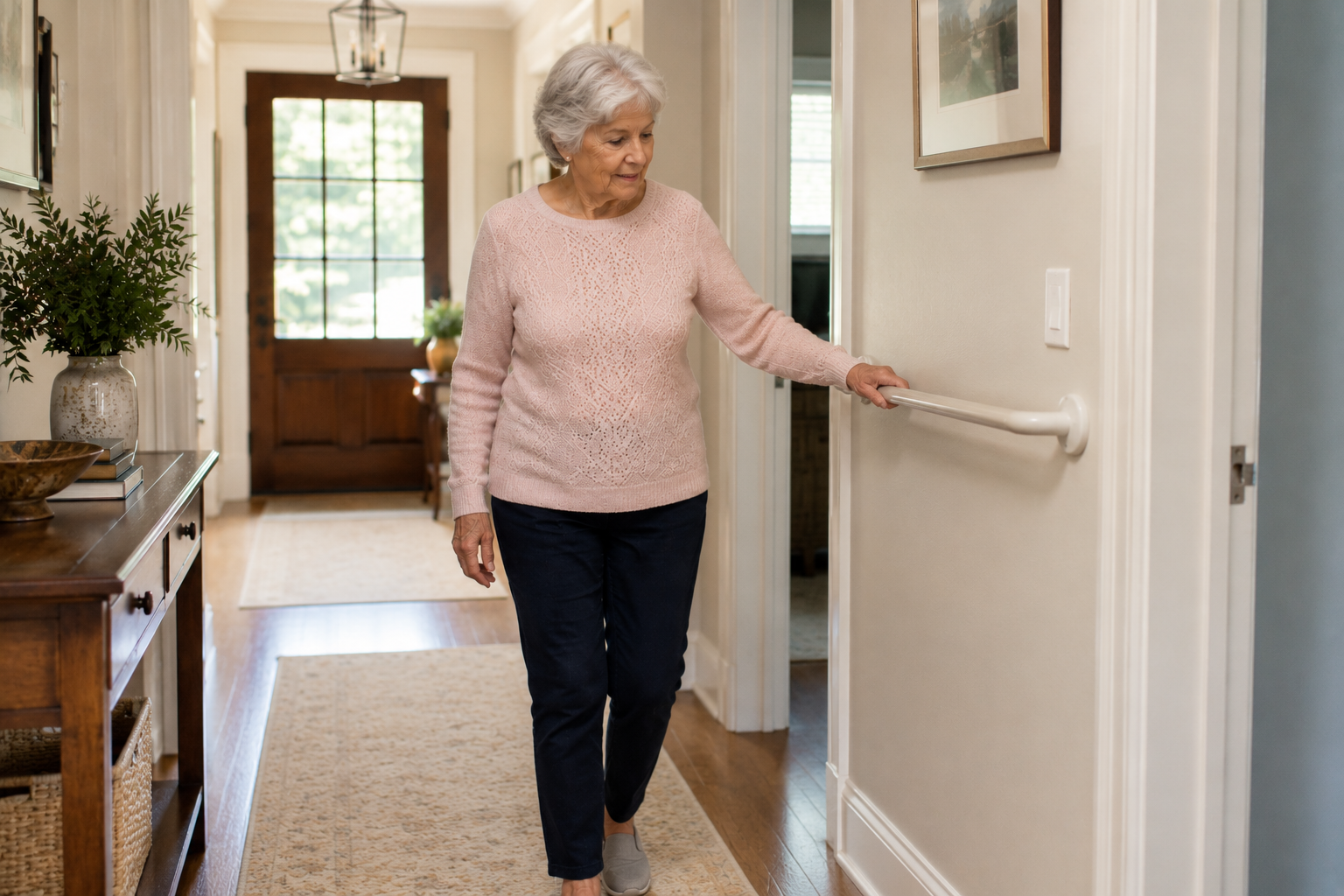
Grab bars beside the toilet and inside the shower or tub area give your loved one something solid to hold while sitting, standing, and transferring. Towel bars are not grab bars — they are not designed to bear weight and will pull away from the wall. Proper grab bars need to be anchored into wall studs or with appropriate hardware.
Place one bar on the wall beside the toilet for sitting and standing, and at least one inside the shower or tub for entry, exit, and balance during bathing.
Add a Shower Chair or Bath Bench
Standing in the shower is physically demanding and significantly increases fall risk, especially when one side of the body is weaker. A shower chair or bath bench removes that risk and makes bathing far less exhausting. Pair it with a handheld showerhead so your loved one can bathe while seated without straining.
Cover Slippery Surfaces
A non-slip bath mat inside the tub or shower and a second one on the floor outside capture the two most common slip points. Make sure the mat outside the tub has a non-slip backing — it should grip the floor, not slide on it.
Rethink the Tub
If your loved one has significant mobility challenges, stepping over a tub edge may no longer be safe. A walk-in shower with a low or zero threshold entry is the safest option. If a renovation isn’t feasible right now, a tub transfer bench — which allows the person to sit on the outside edge and slide across — is a practical interim solution worth considering.
Clear the Pathways
The routes your loved one travels most often — bedroom to bathroom, bedroom to kitchen, living area to front door — need to be clear, wide, and hazard-free. Walk each of these routes yourself with fresh eyes.
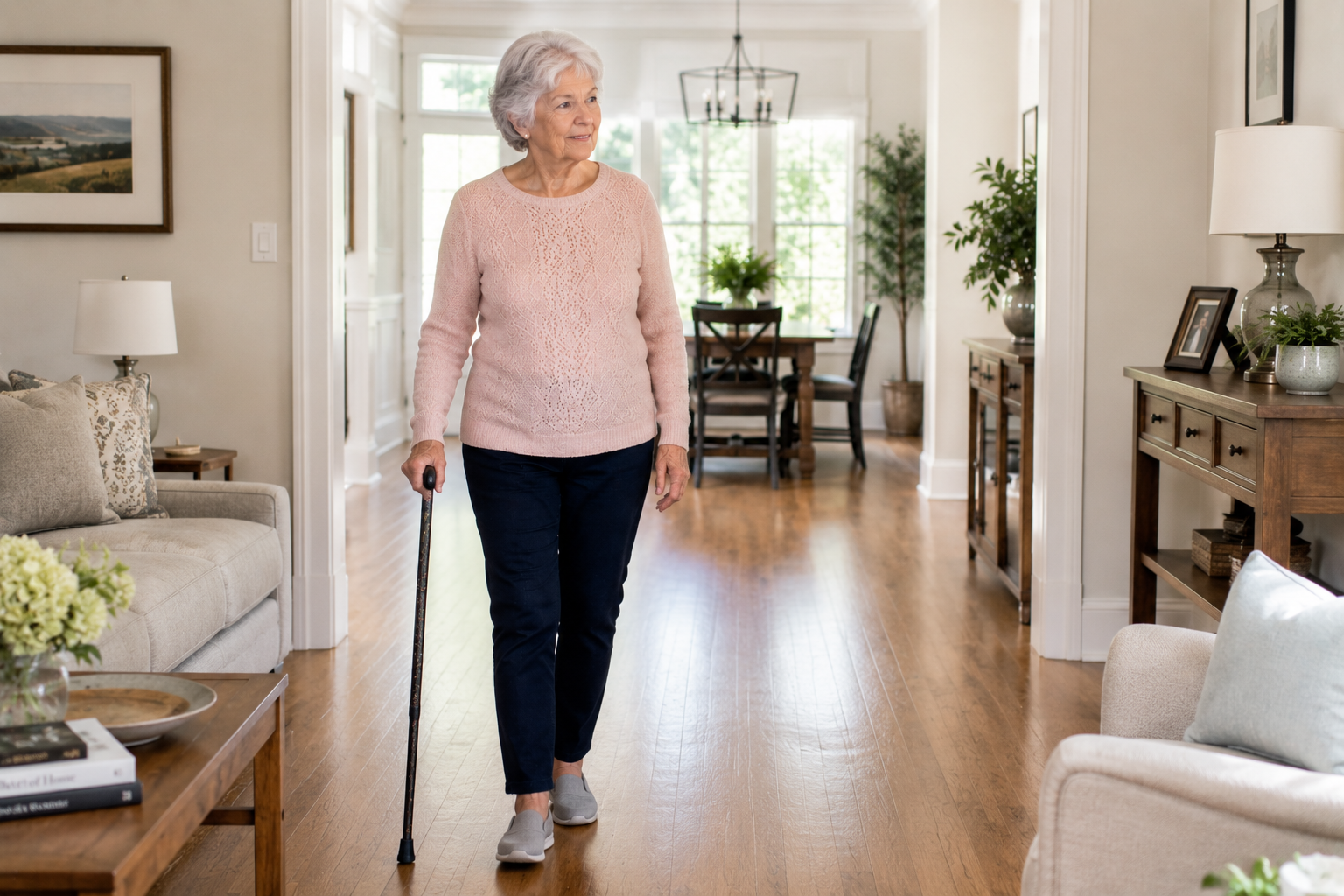
Remove Loose Rugs Immediately
Loose rugs are one of the most common causes of falls in the home. Remove them from all high-traffic areas, particularly anywhere your loved one walks regularly. If a rug serves an important purpose — absorbing sound, warming a cold floor — replace it with a non-slip version secured at every corner, or simply remove it for the duration of recovery.
Secure Cords and Clutter
Electrical cords that cross pathways, shoes left near doorways, stacked items on the floor — all of these create trip hazards. A consistent habit of keeping pathways clear is as important as any physical modification.
Check Pathway Width
If your loved one uses a walker or wheelchair, standard doorway and hallway widths may be tight. Walkers typically need at least 60 centimetres of clear pathway to manoeuvre safely. Remove any furniture or objects that narrow frequently used routes. In some cases, temporarily rearranging furniture creates a significantly safer environment.
Address Lighting Throughout the Home
Poor lighting is a serious fall risk, and it’s one of the most overlooked hazards in home safety assessments. Your loved one’s vision, depth perception, and reaction time may all be affected after stroke — and dim lighting compounds every one of those challenges.
Focus on Nighttime First
The highest-risk lighting situation is the middle-of-the-night trip from bedroom to bathroom. A nightlight in the bedroom, another in the hallway, and one in the bathroom near the toilet removes the need to fumble for a light switch in the dark. Motion-activated nightlights are particularly practical — they turn on automatically and don’t require any action from your loved one.
Improve General Lighting
Replace dim or burnt-out bulbs throughout the home. Increase wattage where possible. Pay particular attention to stairways, entrance areas, and the kitchen. Light switches should be easy to reach from a seated position if your loved one uses a wheelchair or spends significant time seated.
Reduce Glare
While more light is generally better, harsh glare can also cause visual difficulty for stroke survivors. Use shades or diffused lighting where direct light sources cause glare on floors or work surfaces.
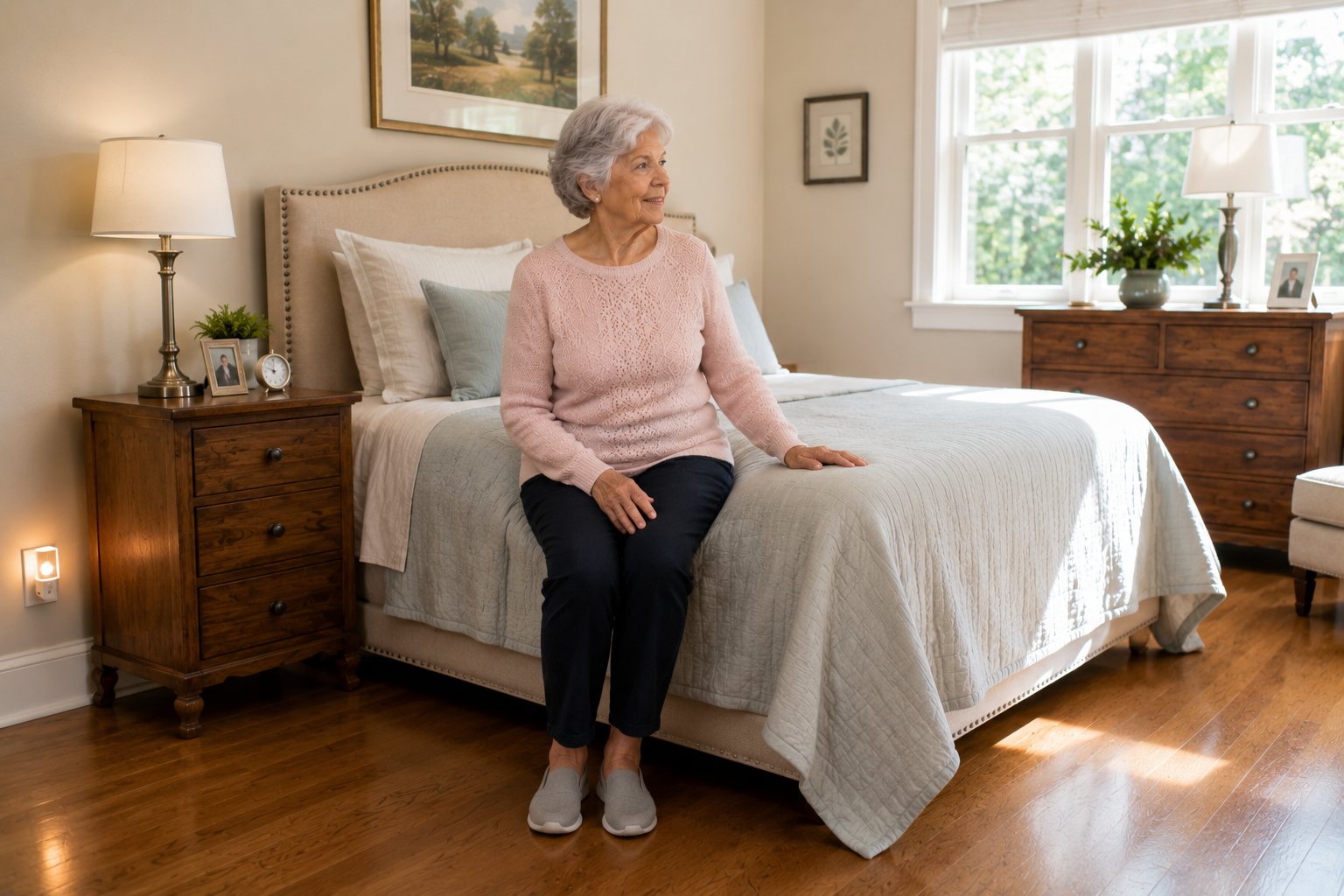
Check Bed Height
The ideal bed height allows your loved one to sit on the edge with both feet flat on the floor and hips at approximately 90 degrees. A bed that is too low requires excessive effort to rise from and creates fall risk. A bed that is too high makes it difficult to get in safely. Bed risers can increase height; a lower bed frame or removing a box spring can decrease it.
Keep Essentials Within Reach
Your loved one should be able to reach their phone, glasses, water, and any other nighttime necessities from their bed without getting up unnecessarily. A bedside table positioned within easy reach reduces the number of nighttime movements — and with it, the risk of a nighttime fall.
Consider a Bed Rail
For stroke survivors who experience difficulty repositioning themselves during the night or who need support getting in and out of bed, a bed rail provides a useful anchor point. Speak with an occupational therapist about the right type for your loved one’s specific needs.
Reassess the Stairs
Stairs are a significant hazard for anyone with weakness, balance problems, or fatigue following stroke. Before assuming your loved one can manage them safely, take an honest look at the situation.
Both Handrails Matter
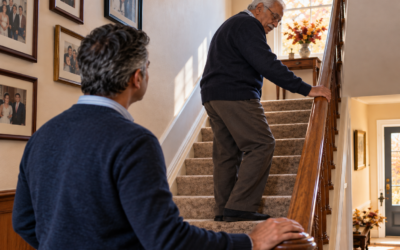
A staircase with a handrail on only one side is much less safe for someone with one-sided weakness. Ideally, both sides of the staircase should have a secure, graspable handrail that runs the full length of the stairs. Check that existing rails are firmly anchored and at a comfortable grip height.
Consider Single-Level Living
If your loved one’s bedroom is upstairs and stair navigation is a genuine concern, temporarily moving sleeping arrangements to the main floor is worth considering. The inconvenience of rearranging the main floor is far easier to manage than a fall on the stairs.
Mark Step Edges
High-contrast tape on the edge of each step improves visibility and helps your loved one judge depth and distance more accurately. This is a simple, inexpensive modification that can make a real difference.
The Kitchen and Living Areas
These rooms tend to carry lower risk than the bathroom or stairs, but they still deserve attention.
In the kitchen, make sure the items your loved one uses most often sit at a height they can reach without stretching, bending, or using a step stool. Reorganizing cupboards so everyday items are at counter height or in low, easy-to-open drawers reduces unnecessary strain and reaching.
In the living area, check that favourite chairs and sofas provide a seat height that allows your loved one to stand up without excessive effort. Chairs that are too low or too soft can be very difficult to rise from after stroke. A firm chair with armrests — something to push up from — is much safer than a deep, soft sofa.
Remove any coffee tables or side tables that create tight navigating spaces, and ensure clear sightlines throughout the room so your loved one can move with confidence.
When a Professional Assessment Makes Sense
Walking through your home yourself is a valuable first step. But a professional home safety or fall prevention assessment goes much further — a trained eye identifies hazards families commonly miss and recommends specific modifications based on your loved one’s individual mobility profile and recovery stage.
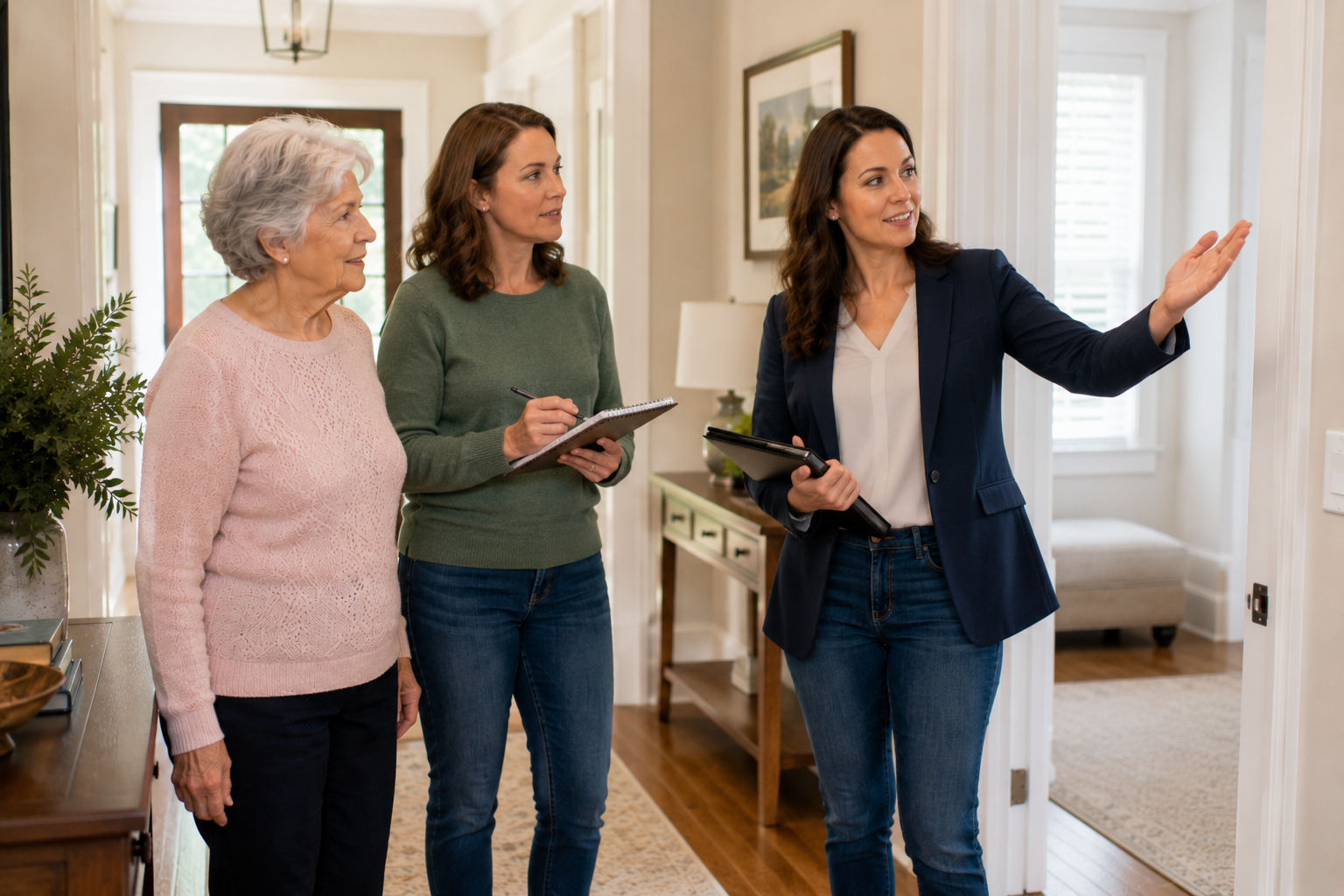
Ideal Caregivers 4U offers senior home safety assessments and fall prevention assessments for families across Ottawa, Kingston, and the Greater Toronto Area. Our assessments give families a clear, actionable picture of what needs to change and why — removing the guesswork and giving you confidence that your loved one’s environment is as safe as it can be.
Our PSW caregivers also provide hands-on support with mobility and personal care throughout the day — helping to reduce fall risk during the activities of daily living that carry the most risk. To learn more, visit idealcaregivers4u.com/services/ or call 1-866-372-0603.
Home Safety Is Part of the Bigger Picture
Making your home safer is one of the most important things you can do in the early weeks and months of stroke recovery — but it’s one piece of a larger caregiving puzzle. Communication challenges, mealtime safety, emotional recovery, and caregiver wellbeing all require attention too.
For a complete guide to caring for a loved one after stroke — covering all of these areas in one practical resource — download our free booklet: Caring for a Loved One After Stroke: A Family Caregiver’s Guide to Communication, Meals, and Daily Safety. It’s designed to be something your whole family refers back to throughout the recovery journey.
Frequently Asked Questions
What are the biggest fall risks at home for stroke survivors? The most significant fall risks for stroke survivors at home include loose rugs and cluttered pathways, wet bathroom surfaces without grab bars or non-slip mats, poor lighting especially at night, stairs without secure handrails on both sides, and beds or chairs that are too low to rise from safely. Stroke-related weakness on one side of the body, balance impairment, fatigue, and slowed reaction times all increase vulnerability to falls. A professional home safety assessment identifies specific risks and recommends tailored modifications. Ideal Caregivers 4U offers fall prevention assessments for families in Ottawa, Mississauga, Kingston, Markham, Pickering, Ajax, Oshawa, and Whitby.
What bathroom modifications help stroke survivors stay safe at home? Key bathroom modifications for stroke survivors include installing grab bars beside the toilet and inside the shower or tub area, using a shower chair or bath bench with a handheld showerhead, placing non-slip mats inside and outside the tub or shower, and considering a tub transfer bench or walk-in shower for those with significant mobility challenges. The bathroom is consistently the highest-risk room in the home for stroke survivors, and these modifications significantly reduce the chance of a fall during personal care. Families in Ottawa, Mississauga, Kingston, Markham, Pickering, Ajax, Oshawa, and Whitby can contact Ideal Caregivers 4U at 1-866-372-0603 for a home safety assessment.
How can I improve home lighting to prevent falls after stroke? Install motion-activated nightlights in the bedroom, hallway, and bathroom to eliminate dangerous nighttime trips in the dark. Replace dim or burnt-out bulbs throughout the home, paying particular attention to stairways, entrances, and the kitchen. Ensure light switches are accessible without stretching. Stroke survivors may experience changes in vision and depth perception, making good lighting even more critical than it would be otherwise.
Should a stroke survivor use a walker or cane at home? This depends on the individual’s level of mobility, balance, and the specific effects of the stroke, and should be determined by a physiotherapist or occupational therapist as part of the rehabilitation process. If a mobility aid has been recommended, make sure pathways throughout the home are wide enough to accommodate it safely — typically at least 60 centimetres of clear space. Remove any furniture or obstacles that narrow frequently used routes.
What is a professional home safety assessment and do I need one? A professional home safety assessment involves a trained care professional evaluating your loved one’s home environment for fall and injury risks, and recommending specific modifications based on the individual’s mobility and needs. While families can make many changes on their own, a professional assessment identifies hazards that are easy to overlook and provides tailored recommendations based on your loved one’s specific recovery stage. Ideal Caregivers 4U provides senior home safety assessments and fall prevention assessments for families in Ottawa, Mississauga, Kingston, Markham, Pickering, Ajax, Oshawa, and Whitby. Call 1-866-372-0603 to learn more.
How can in-home care reduce fall risk after stroke? In-home PSW caregivers reduce fall risk by providing hands-on assistance during the highest-risk daily activities — getting in and out of bed, bathing, dressing, and moving between rooms. Having a trained caregiver present during these activities means your loved one has immediate support if they lose balance, and consistent supervision throughout the day reduces the time they spend navigating the home alone. Ideal Caregivers 4U provides PSW caregivers for post-stroke clients across Ottawa, Mississauga, Kingston, Markham, Pickering, Ajax, Oshawa, and Whitby. Call 1-866-372-0603 to arrange a care consultation.
Every family’s situation is unique, but no one should have to navigate senior care alone. Ideal Caregivers 4U provides personalized, non-medical in-home support that helps seniors remain safe, comfortable, and independent at home while giving families true peace of mind.
Learn how we can help by clicking the link below or calling us at
1-866-372-0603