

She still answers the phone when you call. She says everything is fine. But something feels different — and you can’t quite put your finger on it.
That quiet unease many family members feel is worth paying attention to. Loneliness and social isolation in older adults don’t always look the way we expect. There’s no dramatic moment, no obvious cry for help. It tends to creep in gradually — and by the time it’s obvious, it’s already taken a toll.
May is Mental Health Awareness Month — and it’s a good time to pause and ask an honest question: Is my loved one truly connected, or are they just getting by?
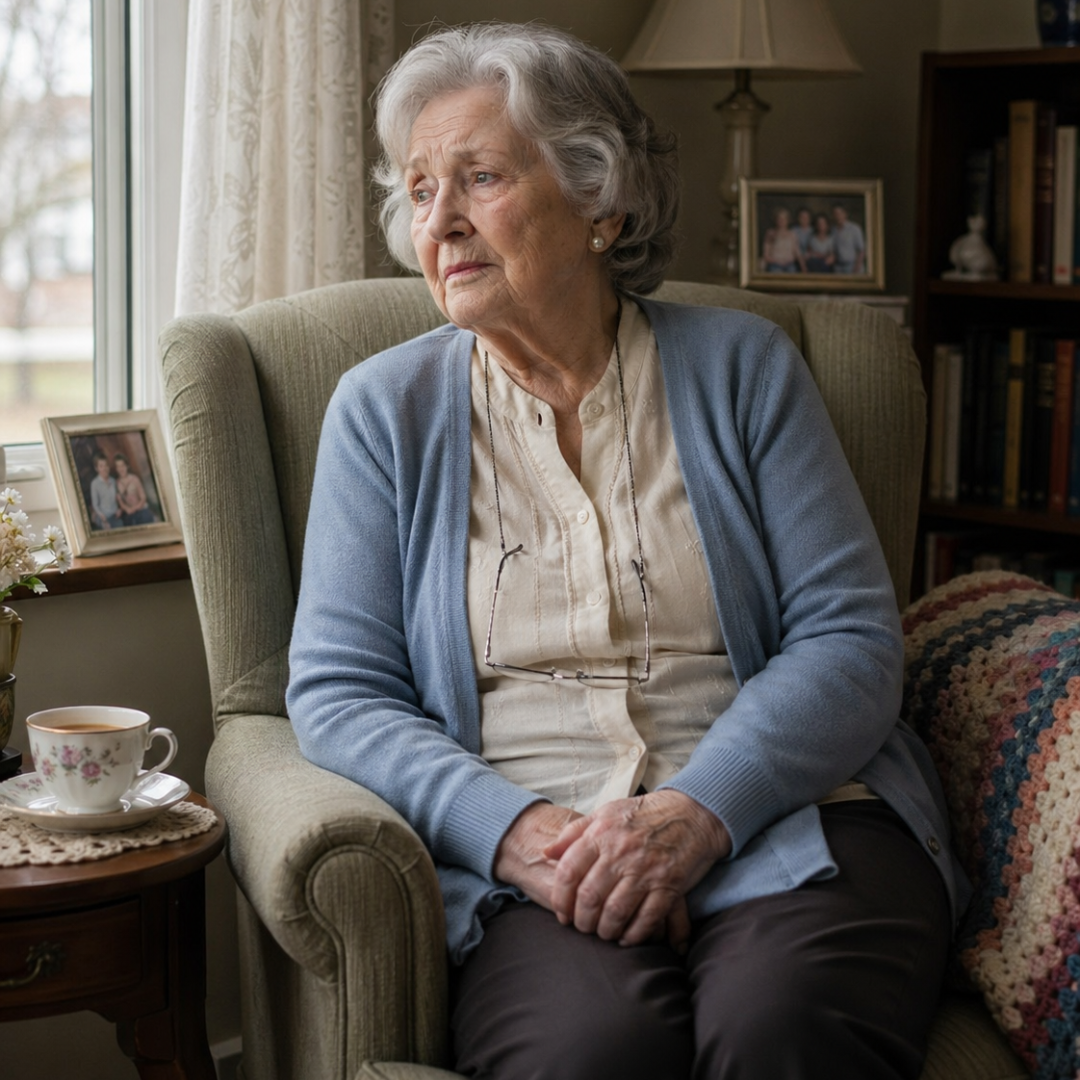
Why Seniors Are Especially Vulnerable to Isolation
Loneliness isn’t a personality flaw or a sign of weakness. For many seniors, it’s the natural result of circumstances that stack up over time — retirement, the loss of a spouse or close friends, reduced mobility, or the simple fact that the world around them has gotten quieter.
According to the National Institute on Aging, social isolation is associated with a significantly higher risk of dementia, heart disease, depression, and even early death. It’s a health issue — full stop — and it deserves to be treated like one.
The challenge is that many seniors are reluctant to admit they’re lonely. Some don’t want to be a burden. Others have lived through generations that simply didn’t talk about those things. And some genuinely don’t recognize how much their world has shrunk.
That’s why the people closest to them need to know what to look for.
The Signs of Loneliness in Seniors That Are Easy to Miss
Some warning signs are obvious. Others are subtle enough to explain away if you’re not paying attention. Here’s what families should watch for:
Withdrawal from activities they used to enjoy If your loved one has stopped going to their book club, skipped church for weeks, or no longer seems interested in hobbies they’ve had for years, that’s a signal — not just a phase.
A noticeable change in communication patterns Calls becoming shorter? Responses more one-word? Or on the flip side, calling more frequently because there’s genuinely no one else to talk to? Both patterns matter.
Increased focus on physical complaints Sometimes loneliness surfaces as physical symptoms — more frequent headaches, fatigue, vague aches and pains that don’t have a clear cause. It’s the body’s way of expressing what the mind hasn’t put into words yet.
Decline in personal care or home upkeep When motivation drops, so does the effort that goes into daily routines. If the house is less tidy than usual, meals are being skipped, or grooming habits have slipped, isolation may be a contributing factor.
A flat or low mood that lingers It’s normal to have off days. But persistent sadness, irritability, or a general flatness that doesn’t lift — especially when there’s no clear cause — is worth a conversation with their doctor.
Increased television or screen time as a substitute for connection Spending hours in front of the TV isn’t inherently a problem, but when it becomes the primary source of “company,” it’s often filling a gap that human connection used to.
As we covered in our Complete Guide to Helping Your Senior Loved One Thrive at Home, mental health is often the first pillar to weaken when a senior becomes more isolated — and the signs can look like something else entirely.
What Isolation Does to the Body and Mind
It’s tempting to think of loneliness as an emotional issue and leave it at that. But the research tells a different story.
Chronic loneliness triggers a low-grade stress response in the body — raising cortisol levels, disrupting sleep, and suppressing immune function. Over time, this contributes to inflammation linked to heart disease, cognitive decline, and a faster progression of existing health conditions.

For seniors already managing arthritis, diabetes, or early-stage memory changes, isolation doesn’t just make things harder emotionally — it can actively accelerate physical decline.
The good news is that consistent, meaningful connection — even a few hours a week — can reverse many of these effects. You don’t need to solve everything. You need to start somewhere.
What Families Can Do
Schedule regular, intentional visits — not just calls Phone calls matter, but in-person connection is qualitatively different, especially for seniors with hearing difficulties or early cognitive changes. If distance is a barrier, video calls are a better option than voice alone.
Help them re-engage with community Senior centres, faith communities, volunteer programs, and local clubs all offer structured social contact. Sometimes all it takes is one person to drive them there the first time.
Take the conversation seriously If your loved one opens up about feeling lonely, resist the urge to immediately problem-solve or minimize. Simply being heard is powerful. Then, when the time is right, explore options together.
Consider professional companionship support For families in Ottawa, Mississauga, Edmonton, Markham, Pickering-Ajax, Oshawa-Whitby, and Kingston, in-home companion caregivers offer something families often can’t — consistent, reliable, one-on-one time with someone who is genuinely there for your loved one. Our companionship services are designed specifically to address the kind of quiet isolation that families often don’t catch until it’s become a real problem.
A companion caregiver can share a meal, go for a walk, play cards, help with light tasks around the home, or simply sit and talk. It sounds simple — and it is. But for a senior who’s been eating alone for weeks, it can be genuinely life-changing.

Call us at 1-866-372-0603 or visit idealcaregivers4u.com/services to learn more about how we support seniors and their families across Canada.
Frequently Asked Questions
What are the most common signs of loneliness in seniors? The most common signs include withdrawal from activities they once enjoyed, changes in communication (calling more or less frequently), decline in personal hygiene or home upkeep, persistent low mood, increased focus on physical complaints, and using television as a primary source of companionship. Many of these signs are subtle and easy to attribute to “just aging” — which is why knowing what to look for matters.
How is loneliness different from social isolation in older adults? Loneliness is the subjective feeling of being disconnected, while social isolation refers to the objective lack of social contact. A senior can be socially isolated without feeling lonely, and can feel intensely lonely even when surrounded by people. Both are health risks and both deserve attention.
Can loneliness affect a senior’s physical health? Yes — significantly. Chronic loneliness is linked to increased risk of heart disease, dementia, weakened immune function, and higher rates of depression and anxiety. Research consistently shows that social connection is as important to long-term health as physical activity and nutrition.
What can I do if I’m worried my parent is becoming isolated? Start with an honest, gentle conversation — lead with curiosity rather than concern. From there, explore options like community programs, regular scheduled visits, or professional companion care. If you’re in Ottawa, Mississauga, Edmonton, Markham, Pickering-Ajax, Oshawa-Whitby, or Kingston, Ideal Caregivers 4U offers in-home companionship services designed to help seniors stay connected and supported. Call us at 1-866-372-0603.
How can a companion caregiver help a lonely senior? A companion caregiver provides consistent, meaningful one-on-one time — sharing meals, conversation, outings, hobbies, and daily activities. Unlike a family visit that has to end, a companion caregiver is a reliable, recurring presence that helps seniors build routine social connection into their week. Learn more about our companionship services here.
Every family’s situation is unique, but no one should have to navigate senior care alone. Ideal Caregivers 4U provides personalized, non-medical in-home support that helps seniors remain safe, comfortable, and independent at home while giving families true peace of mind.
Learn how we can help by clicking the link below or calling us at
1-866-372-0603