For many families, the biggest concern with Parkinson’s isn’t just the diagnosis—it’s safety.
More specifically:
the risk of falls.
Even in a familiar home environment, something as simple as walking across the room or turning in a hallway can suddenly become dangerous.
Understanding why fall risk increases—and how to reduce it—can make a meaningful difference in keeping your loved one safe at home.
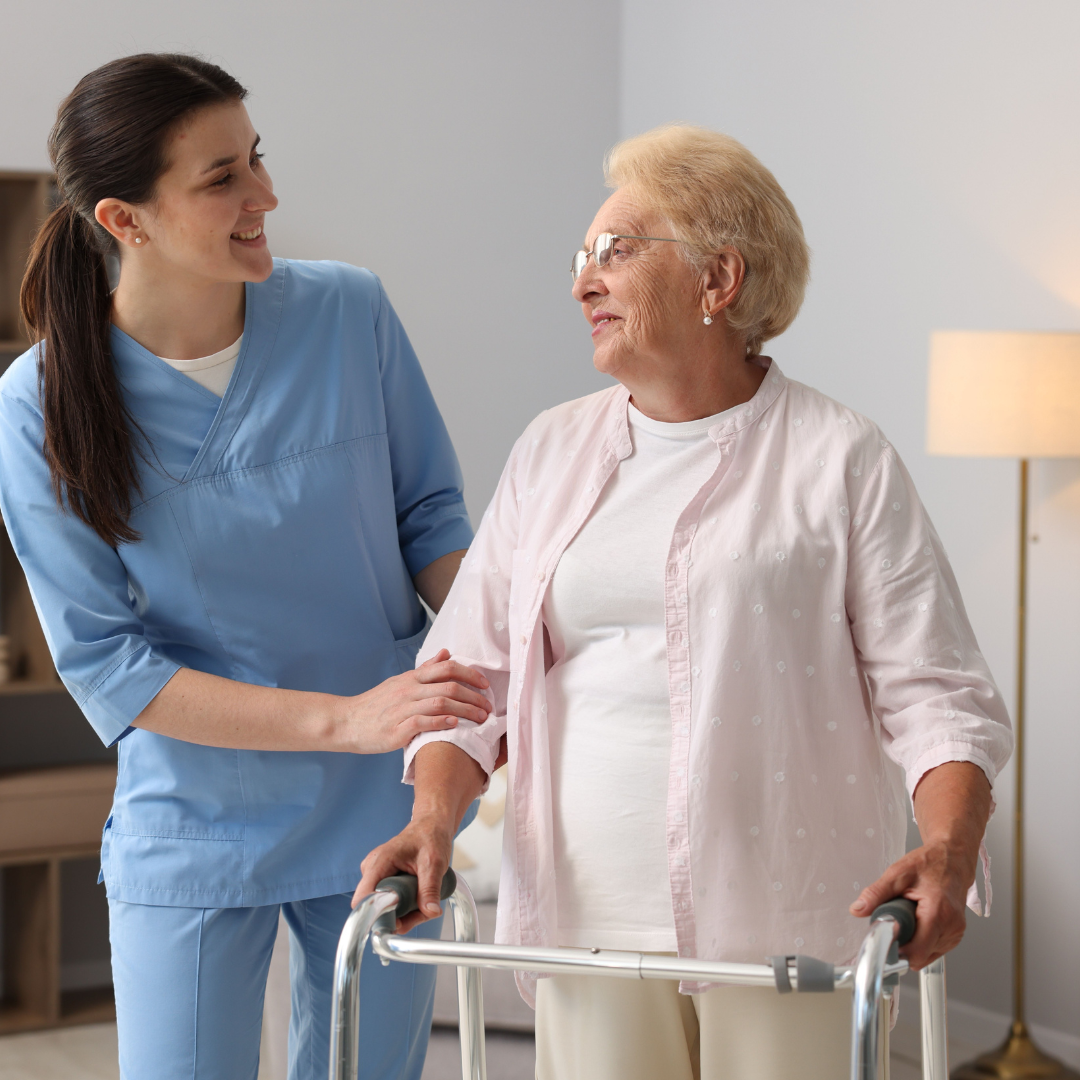
Why Falls Are More Common with Parkinson’s
Parkinson’s affects movement, coordination, and balance in ways that are often unpredictable.
As the condition progresses, several factors increase fall risk:
- Slower movement and delayed reactions
- Muscle stiffness and rigidity
- Changes in posture and balance
- Shuffling or uneven walking patterns
- Difficulty turning or changing direction
These changes can make everyday movements more challenging—and less stable.
The Risk of “Freezing”
One of the most concerning symptoms is known as freezing.
This is when a person suddenly feels stuck and unable to move their feet, even when they intend to walk.
Freezing often happens:
- In doorways
- When turning
- When starting to walk
- In crowded or unfamiliar spaces
In these moments, the body stops—but momentum may continue—leading to loss of balance and falls.
Why Falls Often Happen at Home
Many families assume home is the safest place.
But for individuals living with Parkinson’s, familiar environments can still present hidden risks.
Common situations where falls occur include:
- Getting out of bed at night
- Walking to the bathroom
- Navigating tight spaces or cluttered areas
- Rushing to answer the phone or door
- Turning quickly or changing direction
Because these are routine activities, they’re often done without thinking—until something goes wrong.

The Impact of a Fall
A fall is not just a moment—it can have lasting consequences.
For seniors, a fall can lead to:
- Fractures or serious injury
- Hospitalization
- Loss of confidence
- Increased fear of movement
- Reduced independence
Preventing falls is one of the most important steps in maintaining quality of life.
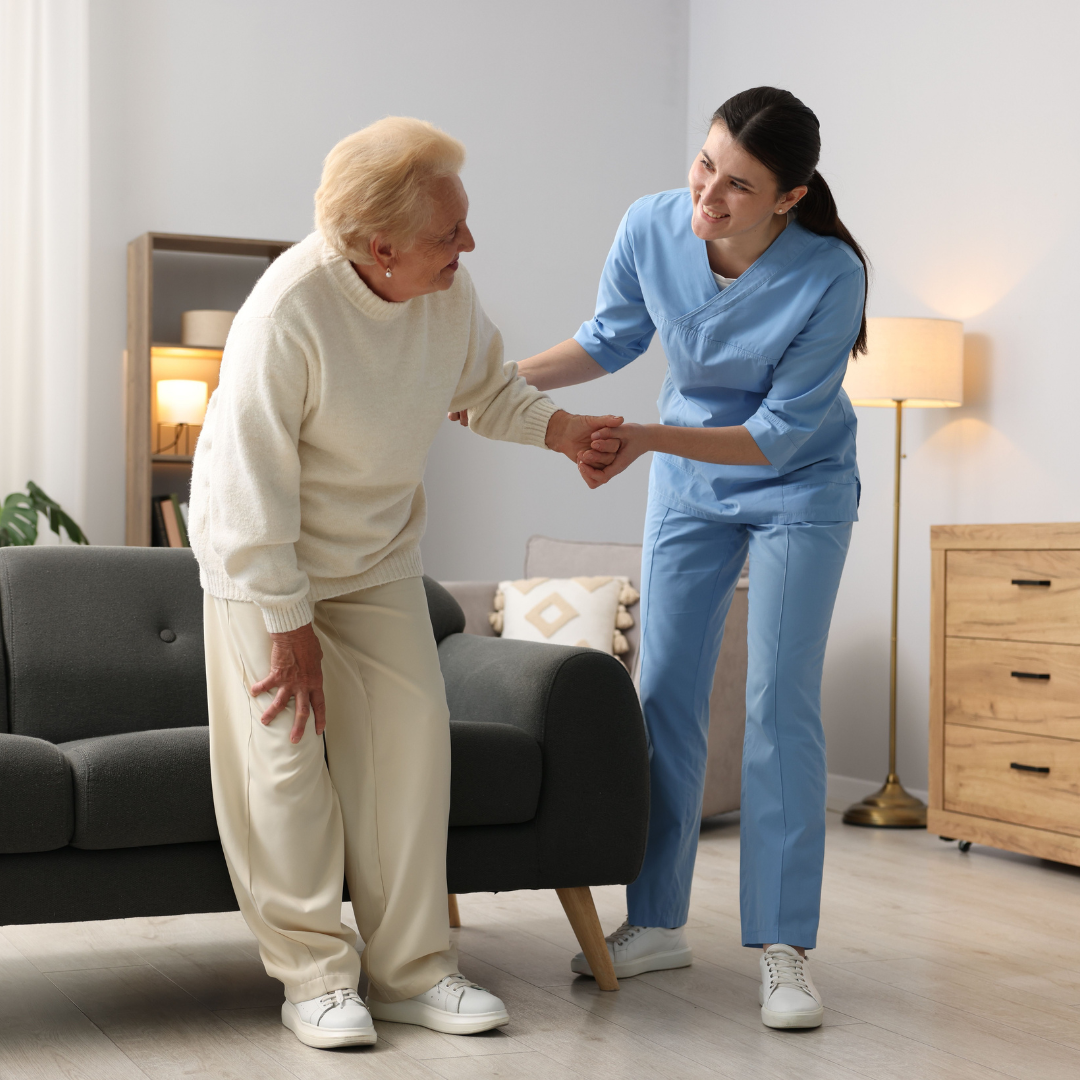
fSupport Safe Movement
- Encourage slow, deliberate movement
- Avoid rushing
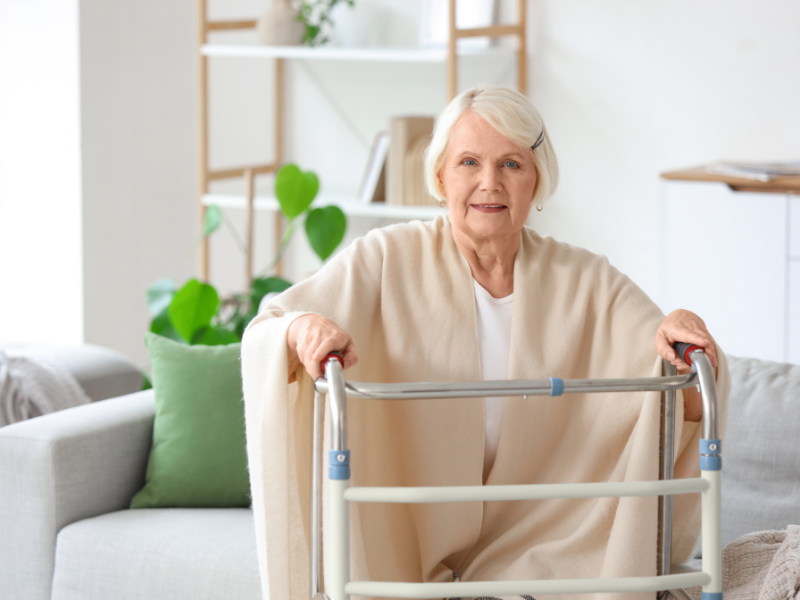
- Use mobility aids when needed
- Allow extra time for transitions (standing, walking, turning)
Be Aware of High-Risk Moments
- Nighttime bathroom trips
- Changes in medication timing
- Periods of fatigue
- Busy or overstimulating environments
Planning ahead for these moments can significantly reduce risk.
Add Support When Needed
For many families, the biggest challenge is being present at all times.
In-home support or professional caregivers can help by:
- Assisting with safe walking and transfers
- Providing supervision during high-risk times
- Offering reassurance during freezing episodes
- Helping maintain consistent routines
Even a few hours of home care support for seniors can make a meaningful difference.
Prevention Is Always Better Than Recovery
Many families only consider additional support after a fall has already occurred.
But with Parkinson’s, proactive planning is key.
Small changes today—whether in the home or through added support—can help prevent serious incidents later.
Learn More About Parkinson’s Care at Home
Understanding fall risk is just one part of the bigger picture.
👉 For a complete guide to supporting a loved one with Parkinson’s at home, read our The Ultimate Guide to Parkinson’s Care at Home
Every family’s situation is unique, but no one should have to navigate senior care alone. Ideal Caregivers 4U provides personalized, non-medical in-home support that helps seniors remain safe, comfortable, and independent at home while giving families true peace of mind.
Learn how we can help by clicking the link below or calling us at
1-866-372-0603