Most families have a smoke detector. Some have a fire escape route. Almost none have sat down with their aging parent and worked through what happens when something actually goes wrong.
A power outage in January. A fall when no one is home. A flood warning at 2 AM. An unexpected medical event.
Emergencies don’t announce themselves — and seniors who live alone or with limited support are among the most vulnerable when they occur. Senior emergency planning at home isn’t about preparing for worst-case scenarios obsessively. It’s about removing the chaos from moments that are already stressful enough.
This final blog in our May series brings everything together — because a home that’s safe, well-maintained, and properly supported also needs a plan for when things go unexpectedly wrong.
Why Seniors Face Higher Emergency Risk
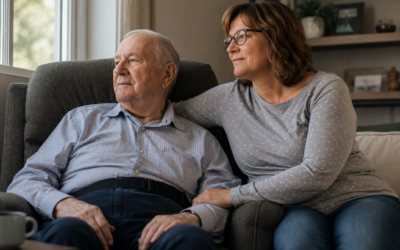
Older adults face a unique set of challenges during emergencies that younger family members may not fully appreciate.
Mobility limitations make evacuation slower and more complex. Chronic health conditions and medications require consistent management even when routines are disrupted. Cognitive changes can cause confusion and disorientation during high-stress situations. Social isolation means there may be no one nearby to notice that something is wrong.
According to Public Safety Canada, older adults and people with disabilities are disproportionately affected during emergencies and natural disasters. Planning ahead dramatically improves outcomes — and most of the steps involved are straightforward once families know where to start.
The Four Elements of Senior Emergency Planning at Home
Effective senior emergency planning at home covers four key areas. Each one addresses a different type of risk and fills a different gap.
1. Medical and Personal Information
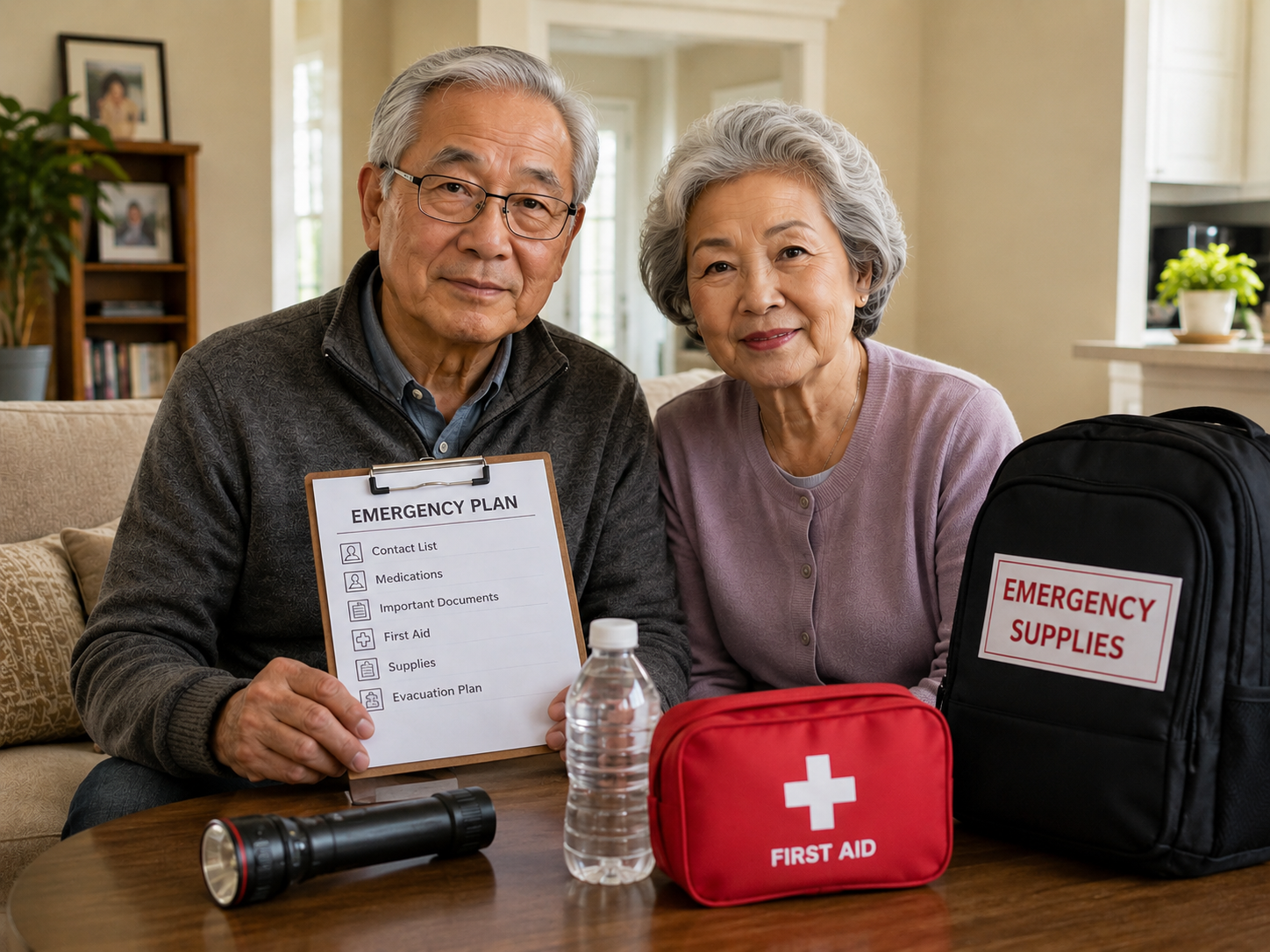
Every senior should have an accessible, up-to-date document that includes their full list of medications and dosages, medical conditions and allergies, their doctor’s name and contact information, health card number and insurance details, and emergency contacts in priority order.
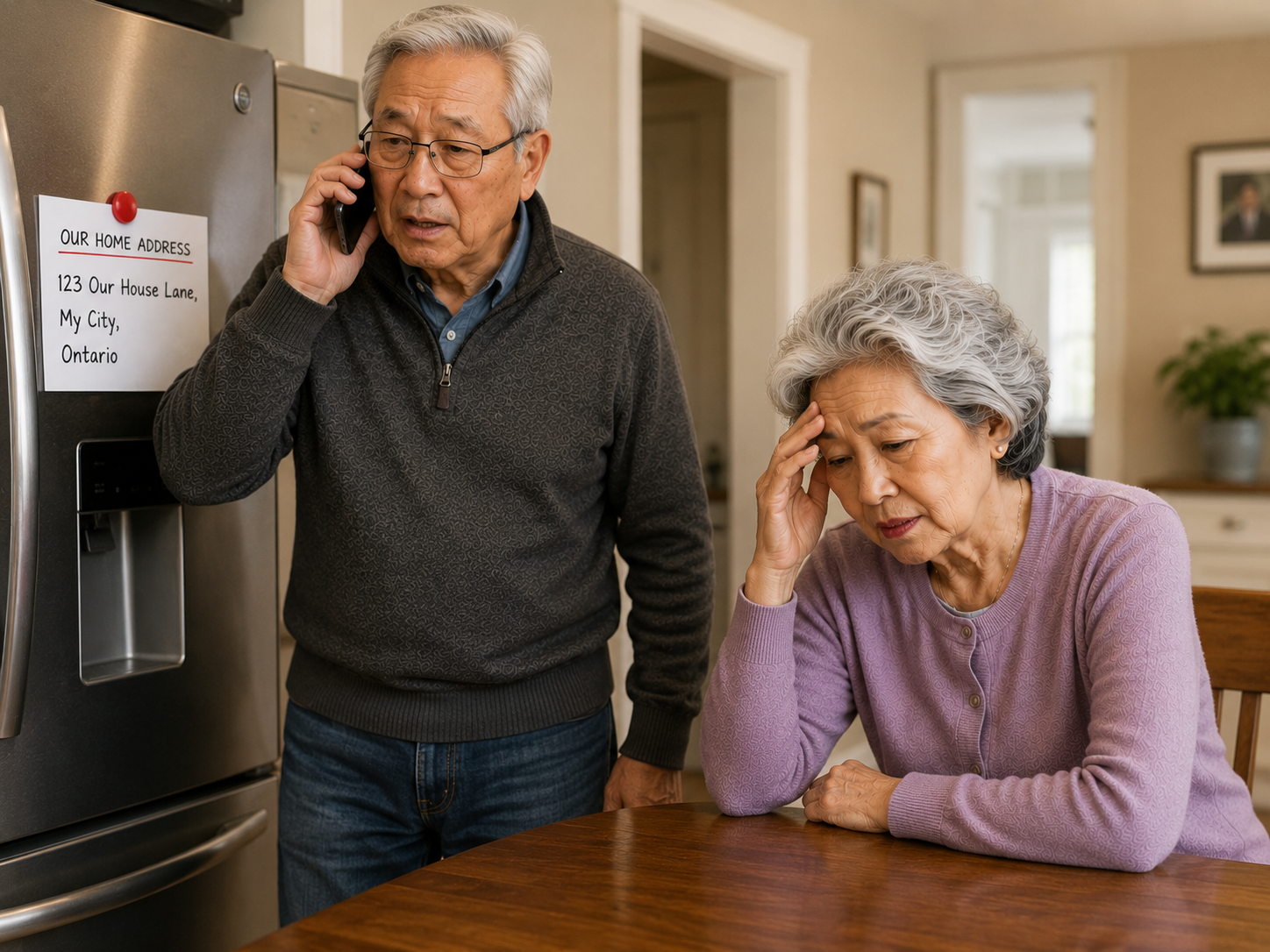
Keep one copy on the refrigerator — first responders are trained to look there. Keep a second copy in a small emergency kit. Share a digital copy with a trusted family member.
This single step prevents critical delays in emergencies when the senior is unable to communicate their own medical history.
2. A Medical Alert System
For seniors who live alone, a medical alert device is one of the most important safety investments a family can make. As we explored in our blog on the most overlooked fall hazards for seniors at home, falls are the leading cause of injury in older Canadians — and the outcome of a fall often depends entirely on how quickly help arrives.
Wearable devices, home-based call systems, and smartphone apps all provide different levels of coverage. The right choice depends on your loved one’s mobility, comfort with technology, and daily routine.
3. A Communication and Check-In System
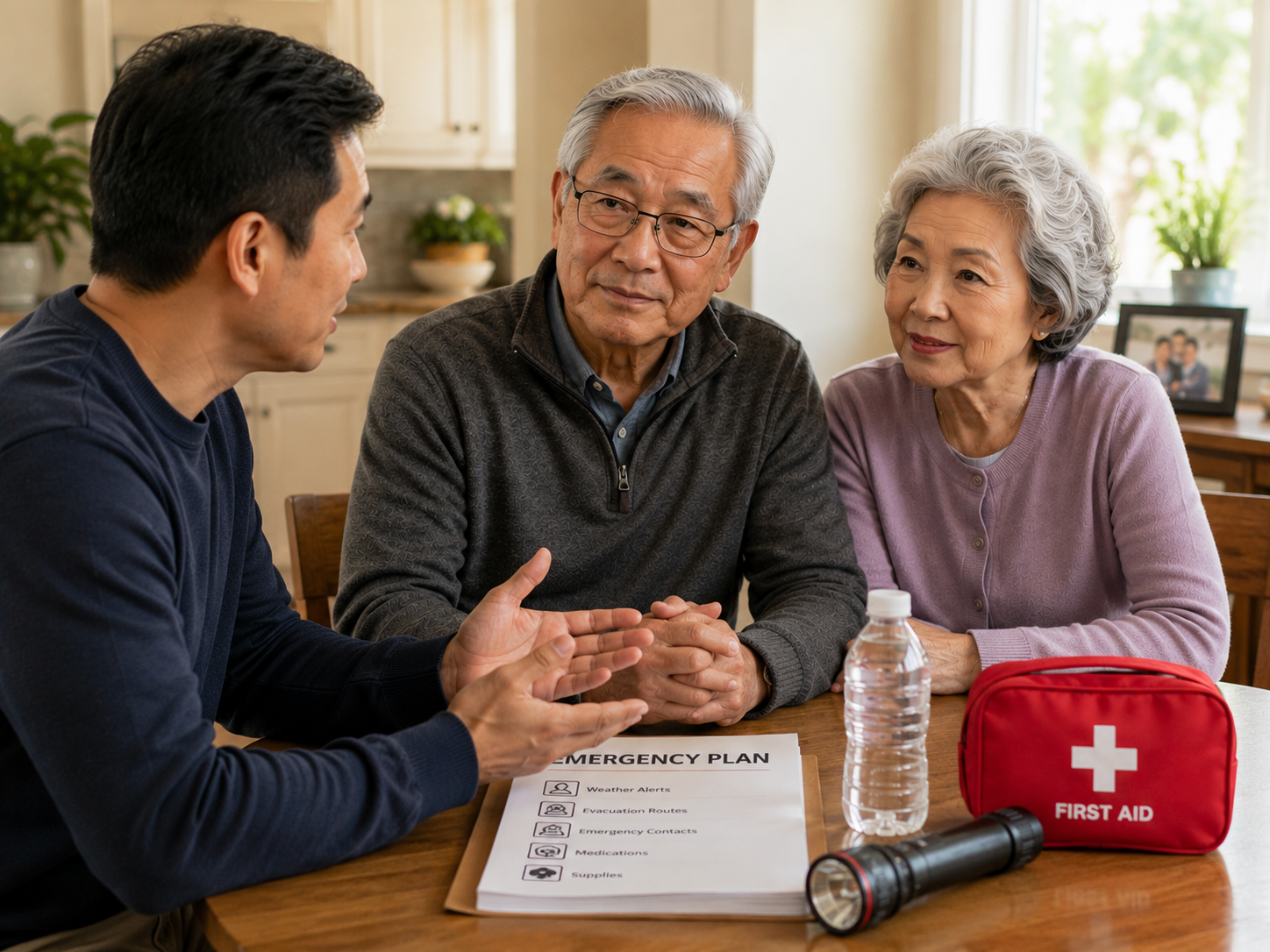
Seniors need a reliable network of people who will notice — quickly — if something is wrong. This network should include a daily or regular check-in call with a family member, a neighbour or nearby friend who has a spare key, a local contact who can respond in person when needed, and clear instructions on who to call and in what order.
The gap between “something happened” and “someone found out” is where outcomes deteriorate. A consistent check-in system closes that gap.

CareLink360, available through Ideal Caregivers 4U, provides video check-in technology that keeps seniors visibly connected to family members — so changes in health, mood, or routine get noticed quickly and from anywhere.
A companion caregiver from Ideal Caregivers 4U becomes a natural and reliable part of this network — a familiar, trained presence who visits regularly and notices changes in routine, health, or environment that a weekly phone call might miss.
4. A Household Emergency Kit
Every senior’s home needs a basic emergency kit that covers at least 72 hours of independence during a power outage, severe weather event, or other disruption. A well-stocked kit includes:
- A minimum three-day supply of all prescription medications
- Bottled water — at least two litres per person per day
- Non-perishable, easy-to-prepare foods
- A flashlight and extra batteries
- A battery-powered or hand-crank radio
- A basic first aid kit
- Copies of important documents
- A charged portable phone battery pack
- Warm clothing and blankets
- Cash in small bills
Review and restock the kit every six months — expired medications and depleted batteries defeat the purpose.
Planning for Specific Emergency Scenarios
Power Outages Winter power outages pose serious risks for seniors — particularly those dependent on medical equipment, electric heating, or refrigerated medications. Identify a warm location they can go to in an extended outage. Know which medications require refrigeration and have a plan for keeping them viable. Ensure flashlights and battery-powered lighting are easily accessible throughout the home.
Severe Weather and Evacuation Identify the nearest emergency shelter and the most accessible route to reach it. Keep a go-bag ready with medications, documents, and essentials that can be grabbed quickly. If evacuation assistance may be needed, register with the local municipality — many communities maintain lists of residents who may need help during emergencies.
Home Safety as the Foundation of Emergency Preparedness
Emergency planning doesn’t exist in isolation. A safe, well-maintained home is the foundation everything else builds on.
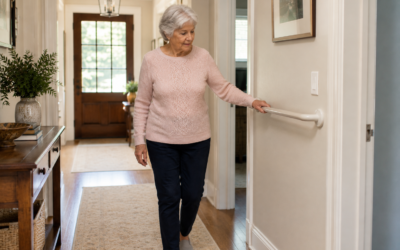
The home modifications we covered in our blog on when it’s time to talk about home modifications — improved lighting, grab bars, clear pathways, and accessible entrances — all directly support faster, safer responses during an emergency. A home that’s easy to navigate on a regular day is a home that’s easier to navigate when something goes wrong.
Our team at Ideal Caregivers 4U provides senior home safety assessments that look at both day-to-day safety and emergency readiness together — helping families in Ottawa, Kingston, and the Greater Toronto Area identify the gaps before an emergency exposes them.
Bringing It All Together
This May we’ve covered the five pillars of keeping your senior loved one safe and well at home — health, safety, connection, preparedness, and support. Every topic connects to the others. A well-nourished senior is more resilient in an emergency. A senior with a trusted caregiver has someone to call. A safe home is easier to navigate under pressure.
For a comprehensive resource that ties all of this together, download our Complete Guide to Helping Your Senior Loved One Thrive at Home — a practical guide designed for families navigating these decisions at every stage.
If your family needs support building a stronger safety net for a senior loved one, we’re here to help.
📞 Call us at 1-866-372-0603 or visit idealcaregivers4u.com/services to learn how we support seniors and their families across Ottawa, Mississauga, Edmonton, Markham, Pickering-Ajax, Oshawa-Whitby, and Kingston.
Frequently Asked Questions
Why is emergency preparedness especially important for seniors? Seniors face higher risks during emergencies due to mobility limitations, chronic health conditions, medication dependencies, and in many cases social isolation. According to Public Safety Canada, older adults are disproportionately affected during disasters and emergencies. Senior emergency planning at home closes the gaps that leave older adults most vulnerable when something goes wrong.
What should be included in a senior’s emergency kit at home? A senior’s emergency kit should include at least a three-day supply of all prescription medications, bottled water, non-perishable food, a flashlight, a battery-powered radio, a first aid kit, copies of important documents, a portable phone charger, warm clothing, and cash in small bills. Review and restock the kit every six months to keep it current.
What information should a senior have readily accessible in an emergency? Every senior should have an accessible document listing their medications and dosages, medical conditions and allergies, doctor’s contact information, health card details, and emergency contacts. Keep one copy on the refrigerator — first responders are trained to check there — and share a digital copy with a trusted family member.
How can families help an aging parent prepare for emergencies? Start with the basics — an updated medical information sheet, a stocked emergency kit, and a reliable check-in system. Ensure the home is equipped with a medical alert device if appropriate. Identify a nearby contact with a spare key who can respond in person if needed. Review the plan together regularly and update it as your loved one’s health or living situation changes.
Can an in-home caregiver be part of a senior’s emergency plan? Absolutely. A companion caregiver from Ideal Caregivers 4U provides consistent, reliable presence that forms a natural part of any senior’s safety network. Regular visits mean changes in health, routine, or environment get noticed quickly — before a small problem becomes a crisis. Families can also strengthen that network further with CareLink360 — connected care technology available through Ideal Caregivers 4U that keeps seniors visibly connected to family members between caregiver visits. Call us at 1-866-372-0603 to learn more about our services across Ottawa, Mississauga, Edmonton, Markham, Pickering-Ajax, Oshawa-Whitby, and Kingston.
Every family’s situation is unique, but no one should have to navigate senior care alone. Ideal Caregivers 4U provides personalized, non-medical in-home support that helps seniors remain safe, comfortable, and independent at home while giving families true peace of mind.
Learn how we can help by clicking the link below or calling us at
1-866-372-0603