Most families don’t think seriously about home safety until something goes wrong. A fall. One close call too many. The moment of panic that could have been prevented.
The problem with waiting is that home hazards don’t announce themselves. They accumulate quietly — the rug that’s been there for years, the dim hallway light nobody replaced, the bathroom that worked fine when everyone was 60. By the time a senior is navigating the home with reduced balance, slower reaction times, or a health condition affecting mobility, those ordinary features have become real risks.
The good news is that most home hazards are fixable. And fixing them doesn’t require a major renovation — it requires a clear-eyed look at the home through a new lens, followed by some practical, targeted action.
This checklist gives families exactly that. Work through it room by room, mark what needs attention, and use it as the starting point for a home that supports safe, confident aging in place.
Canada Mortgage and Housing Corporation (CMHC) offers practical resources on home adaptations for seniors, including guides on accessible design and modification funding options available to Canadian homeowners.
Before You Start: How to Use This Checklist
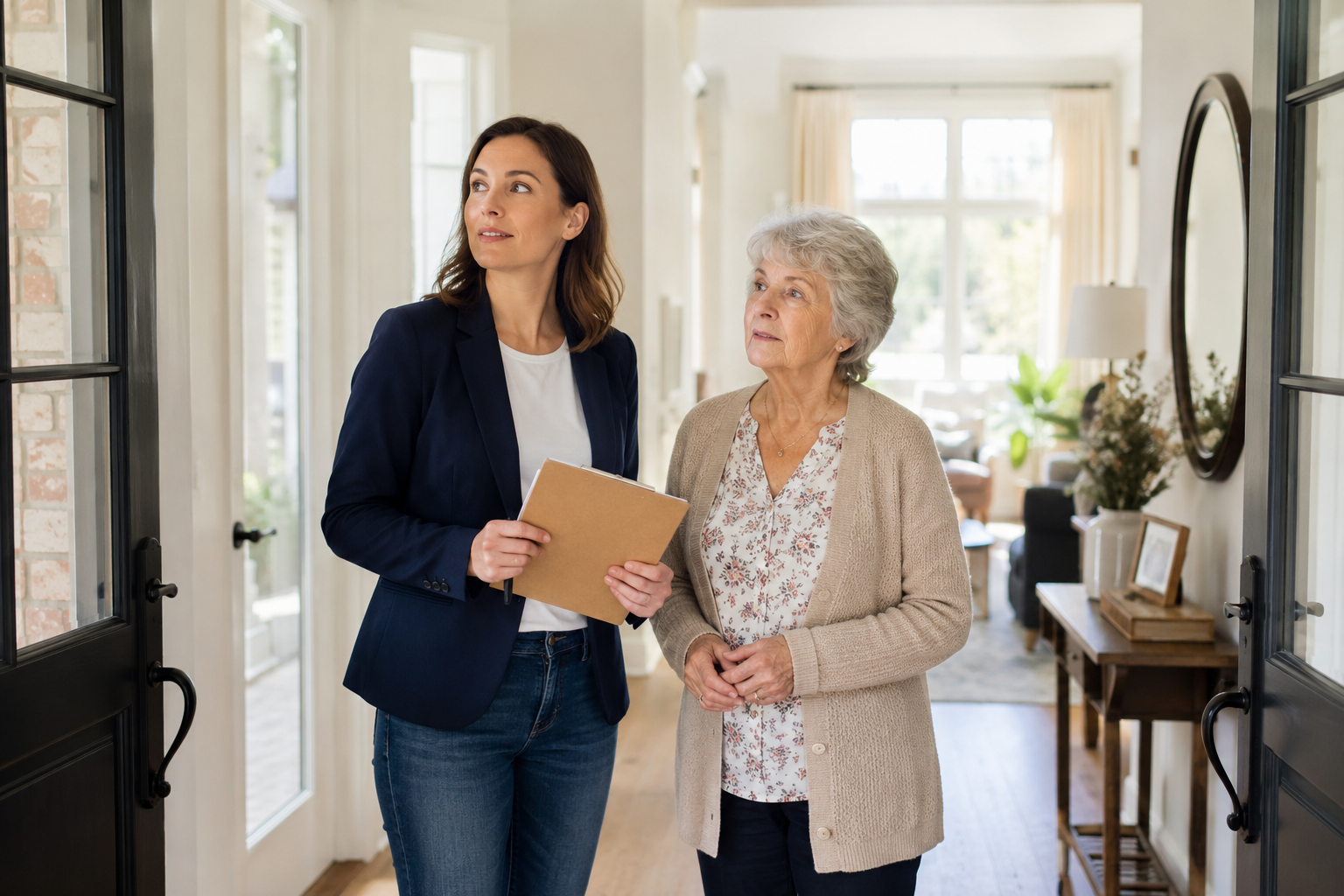
Walk through the home with your loved one’s specific challenges in mind — not a hypothetical senior, but this person, in this home, with their particular mobility profile, health conditions, and daily routines. For example, a modification that matters enormously for someone with balance issues may be less urgent for someone whose primary challenge is fatigue.
What to Look For
Bring a notepad. Note anything that requires your loved one to reach, stretch, bend, step over, navigate in low light, or manage without a stable surface nearby. These are the moments that create fall risk — and they’re often invisible until you’re actively looking for them.
Work through each room systematically rather than doing a general walk-through. General impressions miss specific hazards. However, a room-by-room assessment catches them.
The Bathroom Checklist
The bathroom is consistently the highest-risk room in the home for seniors. Wet surfaces, the physical demands of personal care, and the need to step over tub edges all concentrate fall risk in one space. Start here.
Grab Bars and Support
Grab bar installed beside the toilet for sitting and standing
A second grab bar inside the shower or tub area for entry, exit, and balance
Both bars anchored into wall studs — not towel bars, which cannot bear weight
Bar height appropriate for your loved one’s height
Tub and Shower
Non-slip mat inside the tub or shower
Shower chair or bath bench in place if standing is difficult or risky
Handheld showerhead installed for use while seated
Tub entry assessed — step-over height manageable, or transfer bench considered
Floor and General
Non-slip bath mat outside the tub or shower with a non-slip backing
No loose rugs on the bathroom floor
Adequate lighting — bright enough to see clearly, especially at night
Nightlight installed for nighttime trips to the bathroom
The Bedroom Checklist
Your loved one starts and ends every day in the bedroom. Getting in and out of bed safely is one of the most fundamental daily movements — and one of the most frequently overlooked.
Bed Height and Access
Bed height allows feet to rest flat on the floor when seated on the edge
Adequate space on both sides of the bed for safe transfers
Bed rail in place if repositioning or transfers are a challenge
Path from bed to bathroom clear and wide enough to navigate safely at night
Nighttime Safety
Nightlight visible from the bed — motion-activated if possible
Phone, glasses, water, and any other nighttime essentials within reach from the bed
No obstacles between the bed and the bedroom door
Light switch accessible without getting out of bed, or a bedside lamp within easy reach
Flooring and General
No loose rugs between the bed and the door
Floor clear of clothing, shoes, or other items that could cause a trip
Adequate general lighting for daytime use
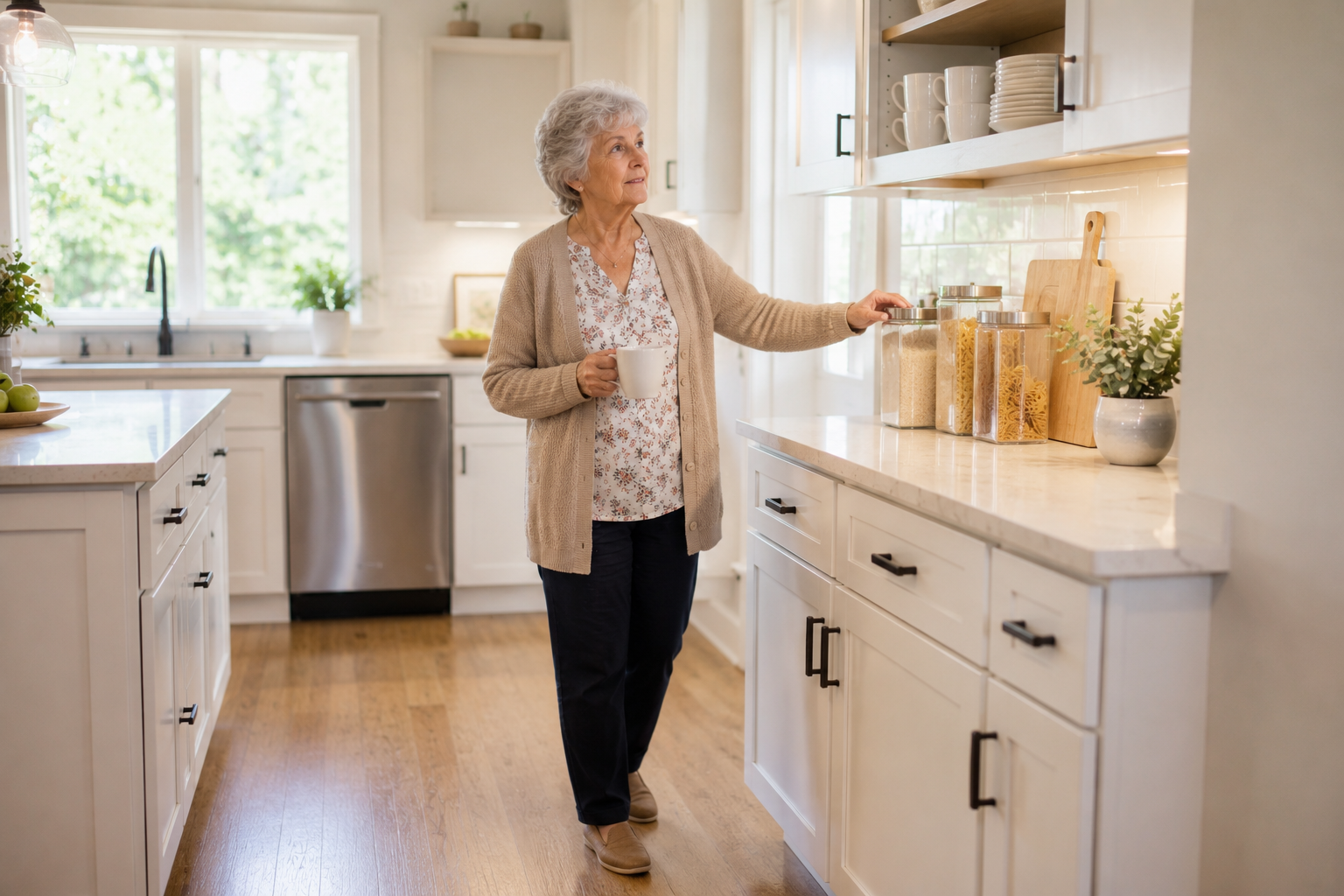
The Kitchen Checklist
The kitchen carries lower fall risk than the bathroom, but it presents its own safety challenges — particularly around reaching, bending, and fatigue during food preparation.
Storage and Reach
Frequently used items stored at counter height — not in high cupboards requiring reaching or low cupboards requiring bending
Step stool eliminated, or replaced with a stable two-step stool with a handle if truly necessary
Heavy items (pots, appliances) stored where they can be retrieved without strain
Flooring and Surfaces
No loose rugs or mats near the stove or sink
Spills cleaned up promptly — wet floors are a significant fall risk
Non-slip mat in front of the sink if the floor surface is slippery when wet
Appliances and Safety
Stove controls easy to read and operate
Smoke detector functional and within the last ten years
Carbon monoxide detector in place if applicable
Adequate lighting over food preparation areas
The Living Areas Checklist
Living rooms and dining areas tend to carry lower immediate risk than bathrooms or kitchens — but they’re where seniors spend the most time, so they deserve careful attention.
Furniture and Seating
Favourite chairs and sofas allow your loved one to stand up without excessive effort — firm seat, not too low, armrests to push up from
No furniture positioned to create tight navigating spaces around commonly used paths
Coffee tables and side tables placed so they don’t create obstacles or trip hazards
Flooring and Pathways
All loose rugs removed or secured with non-slip backing at every corner
Electrical cords routed along walls — not crossing pathways
Clear sightlines throughout the room so your loved one can move with confidence
Pathway from living area to kitchen and bathroom clear and unobstructed
Lighting
General lighting bright enough to read and move around safely
No areas of deep shadow that could conceal a step change or obstacle
Light switches accessible near doorways without having to enter a dark room first
The Hallways and Stairs Checklist
Hallways and stairs connect the spaces of the home — which means hazards here affect every movement throughout the day.
Hallways
Hallways clear of furniture, storage, or clutter
Width adequate for a walker or wheelchair if one is used — at least 90 centimetres recommended
Lighting adequate along the full length of the hallway
Nightlights installed for overnight navigation
Stairs
Handrail present and secure on at least one side — both sides strongly preferred
Handrail runs the full length of the staircase
Stair edges clearly visible — high-contrast tape on step edges if depth perception is a concern
No items stored on stairs, even temporarily
Stair safety honestly assessed — if stairs are a genuine risk, single-level living arrangements deserve consideration
The Entryways Checklist
Entryways are often overlooked in home safety assessments, but they carry real risk — particularly in winter when wet shoes and winter gear create slip hazards.
Entry and Exit
Door threshold low enough to step over safely, or a threshold ramp in place
Non-slip mat inside and outside the front door
Adequate lighting at the entrance, including for nighttime arrivals
Handrail on any exterior steps leading to the front door
Exterior steps in good repair — no cracked or uneven surfaces
Seasonal Considerations
Plan in place for snow and ice removal from exterior steps and pathways in winter
Salt or sand accessible for icy surfaces
Winter footwear with non-slip soles used consistently during colder months
Addressing What You Find
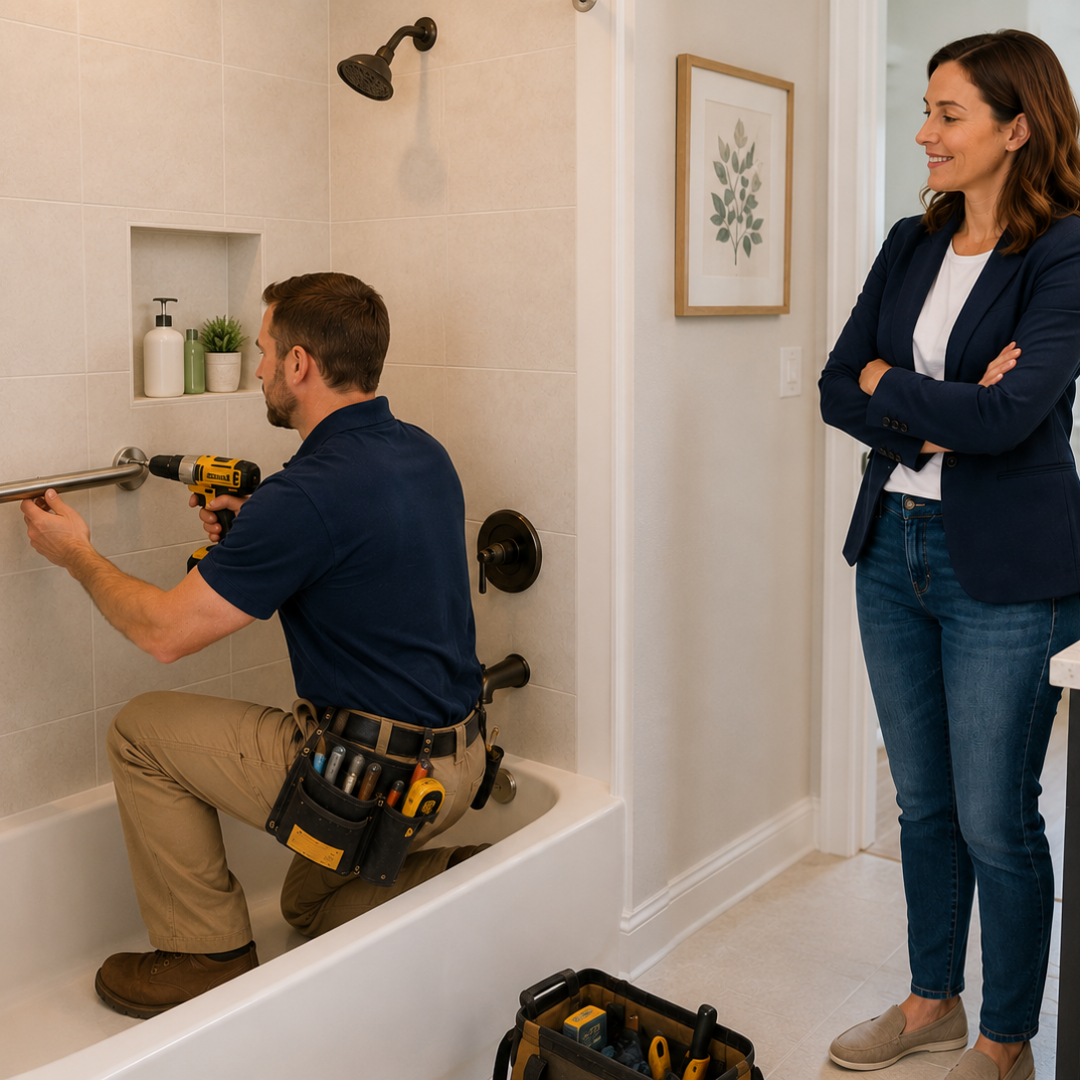
Walking through this checklist is valuable. However, acting on what you find is what actually makes the home safer.
Some items — removing loose rugs, replacing a lightbulb, clearing a pathway — can be addressed immediately. Others — installing grab bars, assessing a stair handrail, considering a tub transfer bench — require a contractor, an occupational therapist, or a professional assessment to do properly and safely.
Therefore, prioritize the bathroom and bedroom first. These rooms carry the highest risk and the most immediate need for attention. Then work outward through the rest of the home systematically.
If you’re not sure what to prioritize, or if your loved one’s mobility and health profile is complex, a professional home safety assessment takes the guesswork out of the process entirely. As a result, families often feel much more confident about next steps. Ideal Caregivers 4U offers senior home safety assessments and fall prevention assessments for families across Ottawa, Kingston, and the Greater Toronto Area — a trained eye identifies hazards families commonly miss and recommends specific, practical solutions. Call 1-866-372-0603 or visit idealcaregivers4u.com/services/ to learn more.
For a complete guide to helping a senior age safely at home — covering all six pillars of successful aging in place — download our free booklet: The Family Guide to Helping a Senior Age Safely at Home. It includes this checklist and much more, all in one practical, downloadable resource.
Home Safety Checklist for Seniors Aging in Place
Want a printable version to work through room by room? Download our free Home Safety Checklist for Seniors Aging in Place — a one-page reference you can use at home, share with family members, or bring to a care consultation.
CLICK LINK BELOW:
Frequently Asked Questions
What are the most important home safety modifications for seniors aging in place? Start with the bathroom — grab bars beside the toilet and in the shower, a shower chair, and non-slip mats. Additionally, remove loose rugs throughout the home, improve nighttime lighting, and ensure bed height allows safe transfers. Ideal Caregivers 4U offers professional home safety assessments for families in Ottawa, Mississauga, Kingston, Markham, Pickering, Ajax, Oshawa, and Whitby.
How do I know if my parent’s home is safe enough for aging in place? Walk through the home systematically, looking for moments that require reaching, stepping over, or navigating in low light. Pay particular attention to the bathroom, bedroom, and staircase. For a more thorough evaluation, a professional home safety assessment identifies hazards families commonly miss. Call Ideal Caregivers 4U at 1-866-372-0603 — we serve families in Ottawa, Mississauga, Kingston, Markham, Pickering, Ajax, Oshawa, and Whitby.
Are grab bars difficult to install in a bathroom? Grab bars must be anchored into wall studs to bear weight safely — towel bars are not a substitute and will pull away from the wall under pressure. While some families install them independently, professional installation ensures correct positioning. An occupational therapist can recommend ideal placement before installation begins.
More Home Safety Questions
What should I do first if I find multiple hazards in my parent’s home? Prioritize the bathroom and bedroom first — these carry the greatest fall risk. Remove loose rugs and clear pathways immediately, as these require no tools. Address lighting next, then arrange professional installation for grab bars and handrails. Ideal Caregivers 4U serves families in Ottawa, Mississauga, Kingston, Markham, Pickering, Ajax, Oshawa, and Whitby and can help with a professional assessment.
How often should I reassess home safety for an aging parent? Reassess whenever your loved one’s health or mobility changes — after a fall, hospitalization, new diagnosis, or medication change. However, staying attentive to how your loved one moves through the home day to day is more important than any fixed schedule. If something looks harder than it used to, that’s the signal to take a closer look.
Every family’s situation is unique, but no one should have to navigate senior care alone. Ideal Caregivers 4U provides personalized, non-medical in-home support that helps seniors remain safe, comfortable, and independent at home while giving families true peace of mind.
Learn how we can help by clicking the link below or calling us at
1-866-372-0603