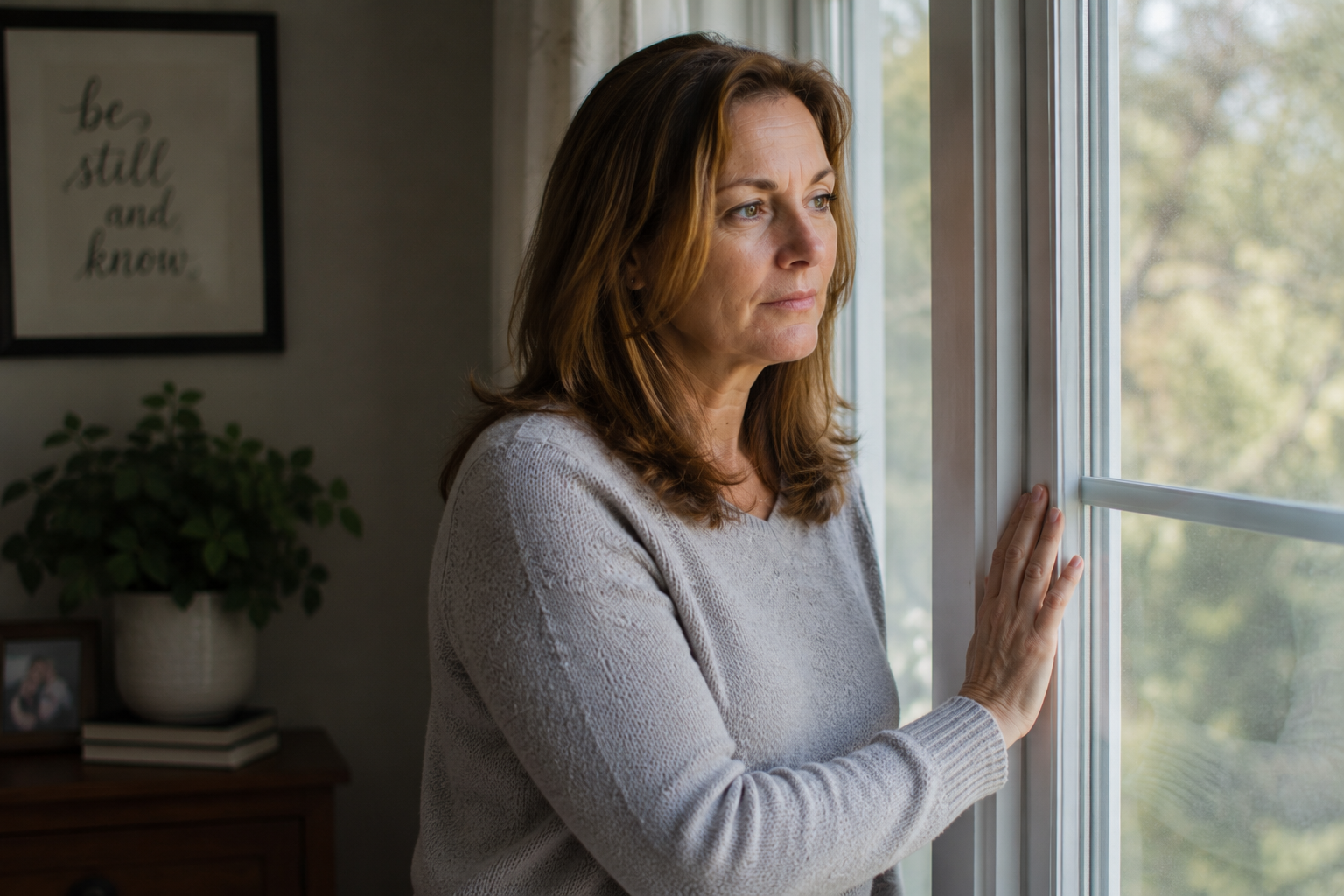
You promised yourself you’d ask for help when it got to be too much. But somewhere along the way, “too much” became your new normal — and you stopped noticing where the line was.
This is how caregiver burnout works. It doesn’t arrive all at once. It accumulates quietly, over weeks and months, until the person caring for a stroke survivor has nothing left to give — and often doesn’t realize it until a crisis makes it impossible to ignore.
Caregiver burnout is not a character flaw. It’s not evidence that you don’t love your family member enough, or that you aren’t cut out for this role. It’s what happens when the demands of caregiving consistently exceed the resources — time, support, rest, connection — available to the caregiver. And it affects a significant number of family caregivers, particularly those supporting stroke survivors through a long and complex recovery.
The Canadian Mental Health Association offers valuable resources on caregiver mental health, stress management, and finding support — a useful starting point for any caregiver who recognizes themselves in this post.
What Causes Burnout in Stroke Caregivers Specifically
Stroke caregiving carries a particular set of pressures that make burnout especially common. Understanding those pressures helps caregivers recognize why they’re struggling — and helps families support the person in the caregiving role more effectively.

The Unpredictability of Recovery
Stroke recovery doesn’t follow a predictable path. There are weeks of meaningful progress followed by plateaus that feel like regression. There are good days that raise hopes and hard days that crush them. Caregivers often describe the emotional exhaustion of this unpredictability as one of the hardest things to manage — more draining, sometimes, than the physical demands themselves.
The Invisible Mental Load
Beyond the physical tasks of caregiving — bathing, dressing, meals, medications, appointments — stroke caregivers carry an enormous mental load. Tracking symptoms. Monitoring for signs of another stroke. Communicating with a medical team. Researching therapy options. Navigating insurance and support systems. This invisible labour rarely appears on any list of caregiving tasks, but it consumes enormous energy.
Role Ambiguity and Relationship Changes
Caring for a spouse, parent, or sibling after stroke fundamentally changes the relationship. A husband becomes a care recipient. A daughter becomes a medical coordinator. These role shifts are disorienting and often grieved — the caregiver mourns the relationship they had while simultaneously trying to navigate the one they now have. That grief rarely gets acknowledged.
Isolation
Stroke caregivers frequently describe feeling profoundly alone. Friends and extended family often don’t understand the demands of the role. Social engagements become impossible to sustain. And the stigma around asking for help — or admitting to struggling — keeps many caregivers from reaching out until they’re in crisis.
Recognizing the Signs of Burnout
Burnout looks different for different people, but several signs appear consistently across caregiver experiences. The challenge is that many of these signs develop gradually, making them easy to rationalize or overlook.
Physical Signs
Persistent fatigue that sleep doesn’t resolve is one of the most common early signs. Getting sick more frequently than usual — as chronic stress suppresses immune function — often follows. Physical symptoms including headaches, digestive issues, and muscle tension can also signal that the body is carrying more stress than it can manage sustainably.
Emotional Signs
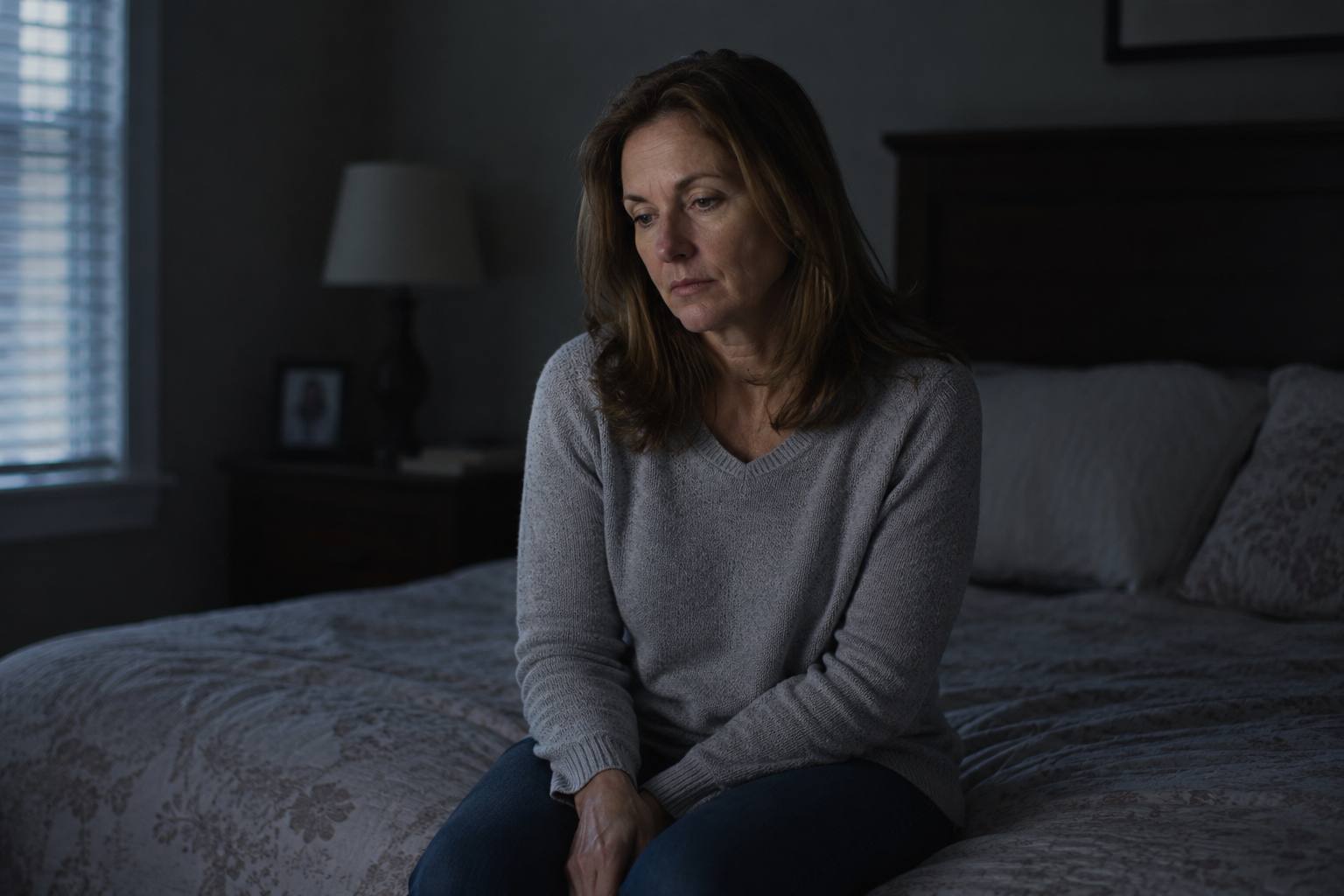
Emotional burnout often shows up as a loss of the feelings that motivated caregiving in the first place. Caregivers describe feeling emotionally flat — going through the motions without the warmth or connection they used to feel. Resentment toward the care recipient, followed by guilt about that resentment, is extremely common. Irritability, crying more than usual, and a pervasive sense of hopelessness are all signals worth taking seriously.
Cognitive Signs
Difficulty concentrating, forgetting things, making errors in tasks that used to come easily — these cognitive signs reflect a brain running on empty. Decision fatigue is real, and caregivers who make dozens of care-related decisions every day experience it acutely.
Behavioural Signs
Withdrawing from friends and activities that provided relief. Increasing reliance on alcohol, food, or other substances to cope. Neglecting your own health appointments, exercise, and basic self-care. These behavioural changes often represent a caregiver’s attempt to manage stress without the resources to address its source.
The Difference Between Caregiver Stress and Caregiver Burnout
Stress and burnout exist on a continuum, and understanding the difference helps caregivers calibrate their response.
Caregiver stress involves feeling overwhelmed, pressured, and stretched. It’s unpleasant and unsustainable if persistent, but the caregiver still finds moments of satisfaction, connection, and meaning in the role. Stress responds to practical interventions — a good night’s sleep, help with a specific task, a day off.
Caregiver burnout goes deeper. It involves emotional exhaustion, detachment, and a loss of the sense of meaning that sustained the caregiving in the first place. Burnout doesn’t resolve with a single day off. It requires more systematic change — sustained respite, professional support, and an honest restructuring of how caregiving is organized and shared.
If you recognize yourself in the burnout description rather than the stress description, the strategies below matter more urgently than you may realize.
What Actually Helps: Moving From Burnout Toward Recovery
Accept That This Is Real
The first and most important step is accepting that burnout is a genuine condition — not laziness, not weakness, not failure. Many caregivers spend enormous energy trying to push through burnout rather than addressing it, which only deepens it. Naming what’s happening is the beginning of changing it.
Ask for Help Specifically
“Let me know if you need anything” is well-intentioned but easy to deflect. Most burned-out caregivers find it difficult to identify and articulate what they need in the moment. Reaching out to specific people with specific requests — “Can you sit with Dad for two hours on Saturday so I can sleep?” — produces better results than a general appeal.
Build Respite Into the Schedule — Not as a Reward, But as a Requirement
Respite care gives caregivers regular, reliable time away from the caregiving role — time to rest, attend to their own needs, and reconnect with the parts of life that exist outside caregiving. The key word is regular. A one-time break doesn’t address burnout the way consistent, scheduled respite does.
Many caregivers resist respite because accepting it feels like abandonment, or because they don’t trust that anyone else can care for their loved one adequately. These feelings are understandable — and they’re also the feelings that, left unchallenged, lead to breakdown. Professional respite caregivers are trained, reliable, and present precisely so that family caregivers can step back without worry.

Ideal Caregivers 4U provides flexible respite care for family caregivers across Ottawa, Kingston, and the Greater Toronto Area — whether you need a few hours a week or extended coverage while you rest, travel, or attend to your own health. Our caregivers step in so you can step back.
To learn more, call 1-866-372-0603 or visit idealcaregivers4u.com/services/.
Reconnect With Your Own Identity
Caregiver burnout often involves a gradual erosion of self — the person you were before caregiving consumed your life. Reconnecting with even small aspects of your pre-caregiving identity matters: a hobby you’ve neglected, a friend you’ve been putting off seeing, a physical activity that used to restore you. These aren’t indulgences. They’re the practices that keep you a person rather than just a role.
Seek Professional Support
Talking to a therapist or counsellor who understands caregiver experiences can be transformative. Peer support — connecting with other stroke caregivers through support groups or online communities — provides the specific validation of being understood by someone who actually gets it. Your family physician is also an important resource; caregiver burnout has physical health consequences that deserve medical attention.
A Note on Guilt
Guilt is the constant companion of caregiver burnout — guilt about struggling, guilt about feeling resentful, guilt about taking time for yourself, guilt about considering outside help. It’s worth saying directly: the guilt is a symptom, not a verdict.
Taking care of yourself is not selfish. It is what makes sustained, quality caregiving possible. A caregiver who runs themselves into the ground does not serve their loved one better — they serve them less well, and eventually not at all. The most loving thing a burned-out caregiver can do for their loved one is get the support they need to keep going.
For a complete guide to post-stroke caregiving — including communication strategies, mealtime safety, home modifications, and emotional recovery — download our free booklet: Caring for a Loved One After Stroke: A Family Caregiver’s Guide to Communication, Meals, and Daily Safety. It covers the full caregiving journey and is designed to support the whole family.
Frequently Asked Questions
What is caregiver burnout and how is it different from caregiver stress? Caregiver stress involves feeling overwhelmed and stretched but still finding moments of satisfaction and meaning in the role. Caregiver burnout is deeper — it involves emotional exhaustion, detachment, loss of empathy, and a sense that the caregiving has become unsustainable. Burnout doesn’t resolve with a single day off; it requires more systematic intervention including sustained respite, professional support, and restructuring of caregiving responsibilities. If you’re experiencing burnout, speak with your family physician and consider reaching out for professional support through organizations like the Canadian Mental Health Association.
What are the signs of caregiver burnout? Common signs include persistent fatigue that sleep doesn’t resolve, getting sick more frequently than usual, emotional flatness or loss of feeling toward the care recipient, resentment followed by guilt, irritability and increased crying, difficulty concentrating and forgetfulness, withdrawal from friends and social activities, neglecting your own health and self-care, and increasing reliance on unhealthy coping mechanisms. Many of these signs develop gradually and are easy to rationalize. If several of them resonate with your experience, take them seriously and reach out for support. Families in Ottawa, Mississauga, Kingston, Markham, Pickering, Ajax, Oshawa, and Whitby can speak with their family physician or contact Ideal Caregivers 4U at 1-866-372-0603 about respite care options.
How does respite care help with caregiver burnout? Respite care provides regular, reliable time away from the caregiving role by bringing in a trained professional to care for your loved one. Unlike a one-time break, consistent scheduled respite addresses the cumulative nature of burnout by building recovery time into the caregiving routine. It allows caregivers to sleep, attend to their own health, reconnect with their own lives, and sustain the caregiving role over the long term. Ideal Caregivers 4U provides flexible respite care for family caregivers across Ottawa, Mississauga, Kingston, Markham, Pickering, Ajax, Oshawa, and Whitby. Call 1-866-372-0603 to discuss options.
Is it normal to feel resentful as a caregiver? Yes — resentment is one of the most common and least talked-about experiences in caregiving, particularly when the role is intensive and long-term. Feeling resentful doesn’t mean you don’t love your family member. It means you’re human, and that the demands of caregiving are exceeding your available resources. The guilt that typically follows resentment is also normal. Both feelings signal that something needs to change — more support, more respite, more acknowledgment of what you’re carrying. Speaking with a therapist or peer support group can help you process these feelings without judgment.
What should I do if I think I’m experiencing caregiver burnout? Start by naming it honestly — to yourself and to someone you trust. Speak with your family physician about the physical and emotional toll you’re experiencing. Reach out for respite care so you have regular, reliable time away from the caregiving role. Connect with a therapist or caregiver support group. And make specific requests of family members and friends rather than waiting for help to be offered. Ideal Caregivers 4U provides respite care and in-home support for families across Ottawa, Mississauga, Kingston, Markham, Pickering, Ajax, Oshawa, and Whitby. Call 1-866-372-0603 — getting support sooner rather than later makes a meaningful difference.
Every family’s situation is unique, but no one should have to navigate senior care alone. Ideal Caregivers 4U provides personalized, non-medical in-home support that helps seniors remain safe, comfortable, and independent at home while giving families true peace of mind.
Learn how we can help by clicking the link below or calling us at
1-866-372-0603