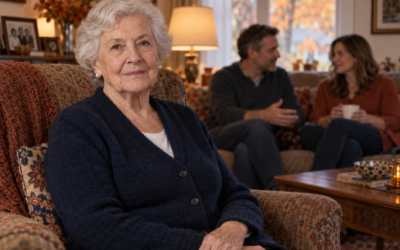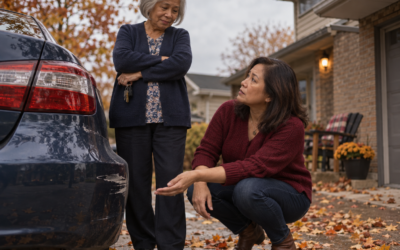

It rarely starts with something obvious.
There’s no single moment where everything changes.
Instead, it’s small things—easy to overlook, easy to explain away.
A slight tremor.
A slower walk.
A change in posture or expression.
For many families, the early signs of Parkinson’s disease are subtle—and often dismissed as “just aging.”
But recognizing these early changes can make a meaningful difference in safety, support, and long-term quality of life.
Why Early Signs Are Often Overlooked
Parkinson’s develops gradually.
Symptoms can appear slowly and may not interfere with daily life at first. Many seniors adapt without realizing anything is wrong.
Families may also:
- See changes as part of normal aging
- Not spend enough time together to notice patterns
- Hesitate to question small changes
But patterns matter.
And early awareness allows for earlier support.

1. Subtle Tremors
One of the most recognized signs of Parkinson’s is a tremor—but in early stages, it can be very mild.
You may notice:
- Slight shaking in one hand
- A tremor when the hand is at rest
- A subtle movement in fingers or thumb
Because it’s not constant or severe, it’s often ignored at first.
2. Changes in Walking or Movement
Movement changes are often one of the earliest indicators.
Look for:
- Slower walking
- Shorter steps
- A slight shuffle
- Reduced arm swing when walking
These changes can happen gradually, making them easy to miss.
3. Increased Stiffness
You may notice your parent:
- Moving more rigidly
- Taking longer to stand up or sit down
- Complaining of tightness in muscles
This stiffness can be mistaken for arthritis or general aging.
4. Changes in Facial Expression or Voice
Parkinson’s can affect facial muscles and speech.
Families or caregivers may notice:
- A more serious or “flat” facial expression
- Reduced blinking
- Softer or quieter voice
- Slower speech
These changes are often subtle but meaningful.
5. Difficulty with Everyday Tasks
Tasks that were once easy may begin to take longer.
This might include:
- Buttoning a shirt
- Writing (handwriting may become smaller)
- Preparing meals
- Getting dressed
These changes often appear gradually, making them easy to dismiss.
6. Balance Changes or Unsteadiness
Even early on, balance may be slightly affected.
You may notice:
- Hesitation when turning
- Slight unsteadiness
- Holding onto furniture for support
These early signs can increase fall risk over time if not addressed.
7. Mood or Behavioural Changes
Parkinson’s doesn’t only affect movement—it can also impact mood.
Families may notice:
- Increased anxiety
- Low mood or withdrawal
- Reduced motivation
- Irritability or frustration
These changes are often overlooked but are an important part of the condition.
Why Recognizing These Signs Matters
Early signs may seem small—but they can signal the beginning of a condition that will require ongoing support.
Recognizing changes early allows families to:
- Seek medical guidance sooner
- Put safety measures in place
- Introduce support gradually
- Reduce risk of falls and injury
- Plan ahead with confidence
Small awareness now can prevent larger challenges later.

You Don’t Have to Wait for a Crisis
Many families delay action until something serious happens—a fall, a hospitalization, or a sudden decline.
But Parkinson’s care is most effective when home care support is introduced early and evolves over time.
Even small adjustments can make daily life safer and more manageable.
Supporting a Loved One at Home
If you’re noticing changes, you’re not alone—and you don’t have to manage everything yourself.
Support at home can help with:
- Safe mobility and fall prevention
- Daily routines and personal care
- Meal preparation and nutrition
- Companionship and emotional support
The goal is not to take over—but to support independence as needs change.

Learn More About Parkinson’s Care at Home
Understanding Parkinson’s is the first step.
Planning for it is next.
👉 For a complete guide to supporting a loved one with Parkinson’s at home, read our The Ultimate Guide to Parkinson’s Care at Home
Every family’s situation is unique, but no one should have to navigate senior care alone. Ideal Caregivers 4U provides personalized, non-medical in-home support that helps seniors remain safe, comfortable, and independent at home while giving families true peace of mind.
Learn how we can help by clicking the link below or calling us at
1-866-372-0603